Bring Home Paper Souvenirs Without Folding Them Into Your Luggage
Give postcards, prints and programmes a defined place in your luggage. This flat-folder packing plan separates paper from liquids, reduces unnecessary handling and makes unpacking the first job when you arrive.
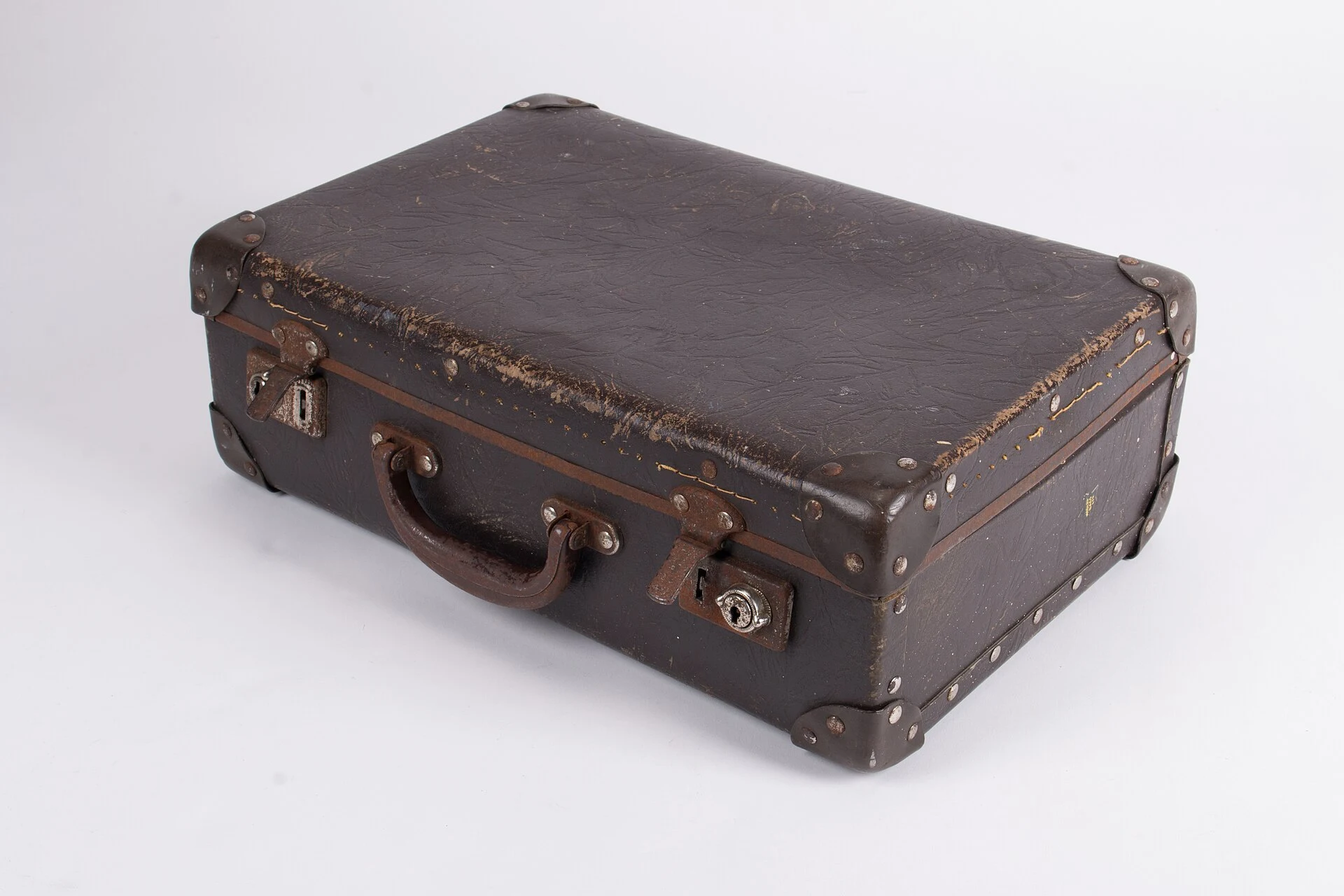

A postcard, a small print and a theatre programme need a flat space of their own—not a last-minute gap between shoes and a wash bag. Before closing your suitcase, place ordinary paper souvenirs in a supportive folder that fits them completely, then give that folder a position where the luggage can close without bowing it.
The aim is modest: less bending, rubbing and unnecessary handling during the journey. This is a temporary transport plan for everyday keepsakes, not a packing specification for valuable artwork. Fragile surfaces, existing damage and oversized pieces call for a different decision.
Choose the enclosure around the largest piece
Lay your souvenirs on a clean, dry surface with food and drinks elsewhere. Start with the largest item. Its corners should sit inside the folder rather than reach the edges or poke beyond them. Close the folder gently to check the fit; do not use the closure to force the contents into shape.
For flat paper, supportive protective enclosures include acid- and lignin-free folders and document boxes. A folder still needs enough support for the journey you are planning. A thin cover that bends with everything inside it does not solve the immediate packing problem.
Keep a bound programme in its existing shape. If its spine or thickness prevents the folder from closing comfortably, give it a separate enclosure rather than pressing it against a print. Do not flatten a programme simply to make the stack look neat.
Leave paper clips, rubber bands, adhesive tape and glue off the souvenirs themselves. If you need an inventory, write it on a separate sheet. A label on the outside of the enclosure is more useful than a note attached to a print.
Build a luggage layer that stays flat
Here is an illustrative cross-section for a suitcase carrying ordinary postcards and a small print. It is a layout to test with your own luggage, not a guarantee against rough handling or crushing.
| Layer | Placement | What to check |
|---|---|---|
| Level foundation | Folded clothing arranged into an even layer | No shoe heels, buckles or hard corners beneath the folder |
| Paper enclosure | Supported folder lying fully within the case | No overhanging corners or bend across a raised divider |
| Light covering | A light clothing layer, without hard objects on top | The folder remains flat when the case closes |
| Separate contents | Liquids and bulky items in another compartment or bag | No bottle or dense pouch pressing against the paper |
Test the empty folder in that position before committing the souvenirs. If the lid needs pressure to close, rearrange the luggage. A folder is not a brace for an overfilled case.
If you are also packing special clothing, use the outfit groupings in this occasionwear travel guide to plan the clothing first, then reserve the paper space instead of squeezing it into whatever remains.
Separate paper from rubbing and liquids
Keep ordinary souvenirs from sliding loosely around the case. Use a correctly sized enclosure, and avoid cramming unrelated objects into it. Receipts, ticket stubs and postcards can have their own smaller folder so you do not repeatedly shuffle through the print to find them.
For this packing layout, put toiletries and drinks in a different bag when practical. If they must share a suitcase, use a separate compartment and keep them away from the paper enclosure. That separation does not make a suitcase leak-proof; it simply avoids placing a bottle directly beside something you want to keep dry.
Do not assume a transparent sleeve suits every artwork. Polyester film can develop an electrostatic charge that lifts powdery media such as pastel or charcoal, and it can affect flaking paint. A loose, dusty or lifting surface is a reason to stop experimenting with sleeves and seek appropriate advice.
Make a different plan for awkward or fragile pieces
A print larger than your available flat space is a transport decision, not a folding opportunity. Before leaving the shop or gallery, ask what suitable packing or delivery arrangements they can offer. Do not improvise a tight roll merely because the suitcase is short.
Use the same pause for a valuable original, a torn sheet, a brittle document or an object with a vulnerable surface. Paper condition problems may require a paper conservator. Everyday folder packing should not be treated as adequate protection for every work on paper.
A separate hand-carried folder may give you more control over placement, but only if it fits your journey and carrier’s baggage requirements. It still needs protection from crowding and bending. Choose the transport method before buying a piece that cannot fit your existing arrangement.
Unpack the paper before the rest can bury it
Make the enclosure one of the first things you remove on arrival. Put it on a clean, dry surface, away from food and drink, and open it without pulling the contents out by an exposed corner.
- Remove nearby luggage contents so they cannot fall onto the open folder.
- Lift out each souvenir with support rather than dragging it beneath the stack.
- Check for an unexpected bend, dampness, sticking or surface change.
- Move sound items to suitable storage; keep anything concerning separate for advice.
Do not try to fix a new crease with an iron, adhesive or an improvised pressing treatment. Keep the transport problem separate from any treatment decision. For ongoing storage, flat paper benefits from supportive enclosures, minimal light exposure and a clean, stable environment away from leak risks. The suitcase has finished its job once you are home.
Sources and editorial notes
Choose a Gallery Visit Order Around One Timed Booking
Work backward from one fixed exhibition time to choose a realistic gallery order. A hypothetical itinerary separates priorities, optional rooms and a buffer,…
Pack Worn Clothes Separately Without Losing Track of What Is Still Wearable
One laundry bag cannot tell you which worn clothes are ready for another outing. Use three suitcase zones, a temporary drying space and…

Photograph a Place Through Details, Not Just Landmarks
Build a six-frame travel photo story around a wide view, texture, lettering, color, an everyday object and a closing scene. Use a simple…