Store Tickets, Invitations and Programmes as a Small Paper Collection
Give meaningful tickets, invitations and programmes a place without attaching them to scrapbook pages. A simple register connects each item to its story, while supportive folders keep the paper separate.
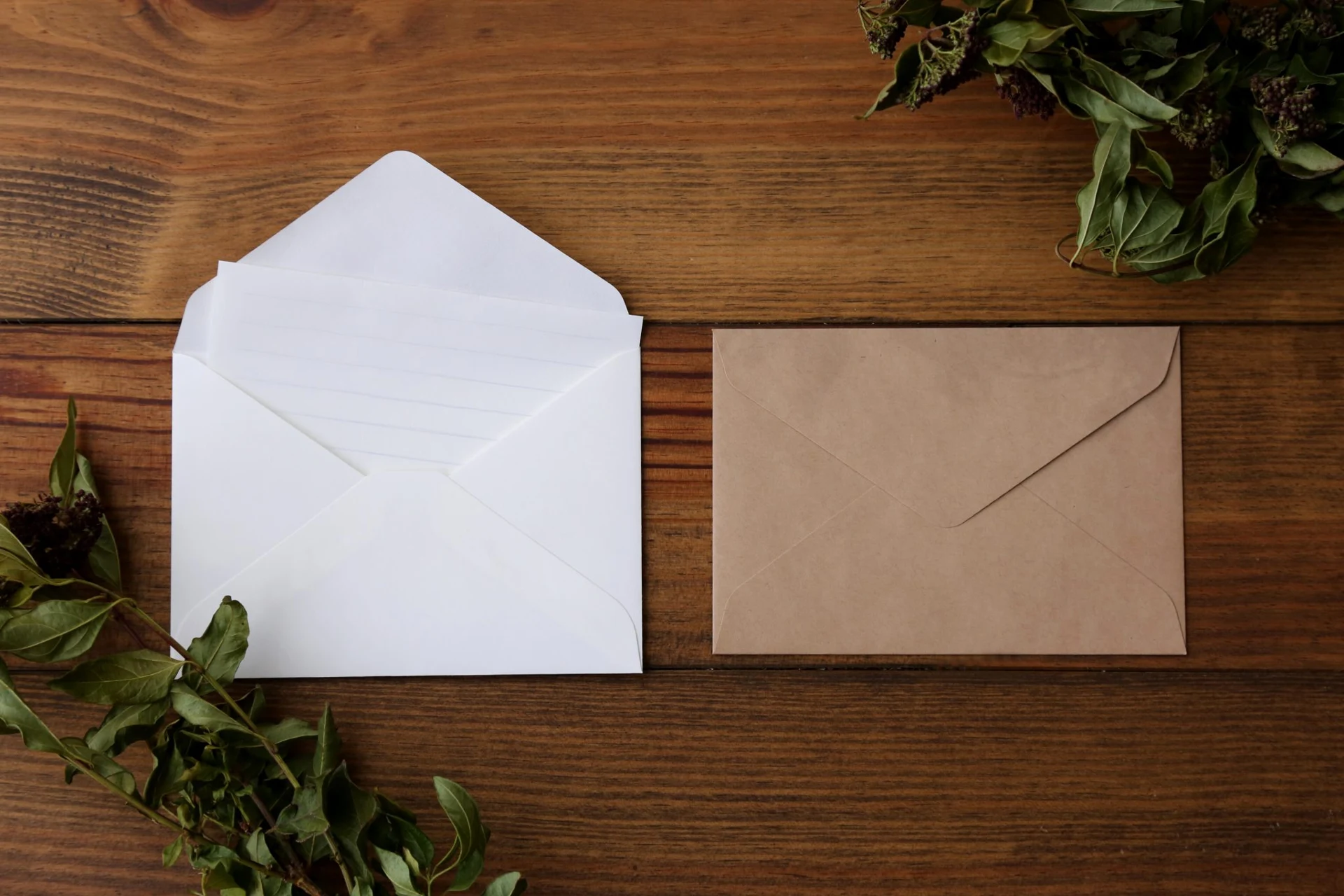
A theatre ticket, a folded invitation and a programme can share a story without being glued onto the same page. Give each item an identifier, place it in a suitable enclosure and connect it to a separate note. You can then read the memory without repeatedly handling the original paper.
Start with one event or one small pile. The aim is a collection you can find and enjoy, with enough room for its contents. You do not need to decide the future of every receipt and envelope in the house before making a useful first folder.
Decide what each piece contributes
Lay the items on a clean surface with clean hands, keeping food and drink away. Group them by event first. An invitation may record the wording, a ticket the seat and date, and a programme the performance details. Keep the pieces that matter to your account.
Choose your own collecting boundary. You might keep one invitation from each family celebration, programmes from performances you attended, or the paper associated with a particular year. These are personal selection rules, not measures of an object’s importance.
Keep making materials separate from the collection you want to retain intact. If you also enjoy making cards from leftover wrapping paper, give those offcuts their own place. That makes your intended use clear before you start cutting or attaching anything.
For an uncertain item, write down why you might keep it. “Only paper with the original invitation wording” is a clearer decision than leaving an unexplained stack for later.
Connect each item to a separate story note
Use a short sequence such as P001, P002 and P003. Put the identifier on the enclosure and in a register. This avoids needing to write directly on the keepsake. Give related items a shared event description so you can retrieve them together.
The register below is an illustrative arrangement. Its invented items demonstrate the system; they are not descriptions of a real collection.
| Identifier | Item and event | Storage location | Separate story note |
|---|---|---|---|
| P001 | Theatre ticket; spring evening out | Box 1, folder 1 | Who attended; why this performance was chosen |
| P002 | Invitation; family lunch | Box 1, folder 2 | Host, guests and a remembered detail |
| P003 | Programme; the same theatre visit as P001 | Box 1, folder 3 | Connection to P001; favourite part of the evening |
Copy a printed date as printed. If you only remember an approximate date, label it “approximately” or “remembered as”. Keep printed information and recollection distinguishable.
A story note can be three sentences. Record who was there, why you kept the item and one detail the paper does not contain. Store the note as a separate sheet or digital entry, using the same identifier.
Choose storage that supports the paper
For ordinary flat paper items, suitable supportive enclosures include acid- and lignin-free folders and document boxes. Choose dimensions that accommodate the whole item without bending corners or making a new fold to squeeze it inside. Keep bound programmes intact; the unfolding and sleeve guidance below is for flat paper items.
Store flat paper unfolded where that is possible without forcing an existing fold. Oversized paper needs accommodation of its own; flat or rolled storage is an option, rather than folding it down to match smaller tickets. Do not treat this as an instruction to flatten a fragile item yourself.
Clear polyester sleeves stiff enough to support the paper inside can provide support and visibility, but they have limits. Static from polyester can lift powdery media, including pastel, charcoal and pencil, or flaking paint. A transparent sleeve is therefore not an automatic choice for every decorated invitation.
Buffered storage materials also have a qualification: some media on paper can be sensitive to alkaline conditions. If an item has unusual, powdery or unstable decoration, its needs deserve more attention than a generic folder recommendation.
Keep acidic papers individually separated from other works on paper. Where the materials are uncertain, record that uncertainty instead of describing an item as acid-free from its appearance.
Organise without adding fasteners or adhesive
Do not use paper clips, rubber bands, self-adhesive tape or glue to organise the originals. Avoid folding corners as markers. Separate enclosures and register entries can preserve the association between a ticket and programme without fastening them together.
A cramped folder is also a poor default if fitting the contents requires extra folds. Give a larger piece its own location and cross-reference it in the register. Physical proximity is optional when the records make the relationship clear.
If an inscription is necessary, use pencil rather than ink and work on a clean, hard surface to avoid embossing the paper. For this small collection system, marking the enclosure usually gives you all the identification you need.
Leave existing damage or stubborn attachments out of the organising session. Do not turn filing into an attempt to peel tape, remove glue or press damaged paper flat. A paper conservator may be needed for condition problems that basic care does not address.
Give the box a stable home
Choose a clean, relatively dry, cool and stable location, away from radiators, vents and places at risk of leaks. Avoid attics and basements with environmental extremes. Keep exposure to light low and avoid direct or intense light.
Write the box location into your register: “hall cupboard, upper shelf” is more useful than “stored safely”. When an item moves, update that field immediately.
For the next addition, repeat the same small sequence: select, assign an identifier, record the story and choose a suitable enclosure. If the box becomes crowded, start another box and continue the numbering. The paper can stay where it fits while the register keeps the collection together.
Sources and editorial notes

Build an Occasionwear Reference Folder From Your Own Photos
Turn a handful of event photos into a useful dressing reference. Record venue, invitation wording and combinations you actually wore, then add the…
Build a Visual Glossary From Five Details in One Museum Object
Use five details from one object to build a visual glossary you can revisit. Pair small drawings with plain descriptions, verified terms and…
What a Fashion Plate Can—and Cannot—Tell You About Clothing
A drawn sleeve can reveal a silhouette without explaining its construction. Use a simple evidence table to separate visible details, printed descriptions and…