Choose a Gallery Visit Order Around One Timed Booking
Work backward from one fixed exhibition time to choose a realistic gallery order. A hypothetical itinerary separates priorities, optional rooms and a buffer, with clear rules for shortening the route.
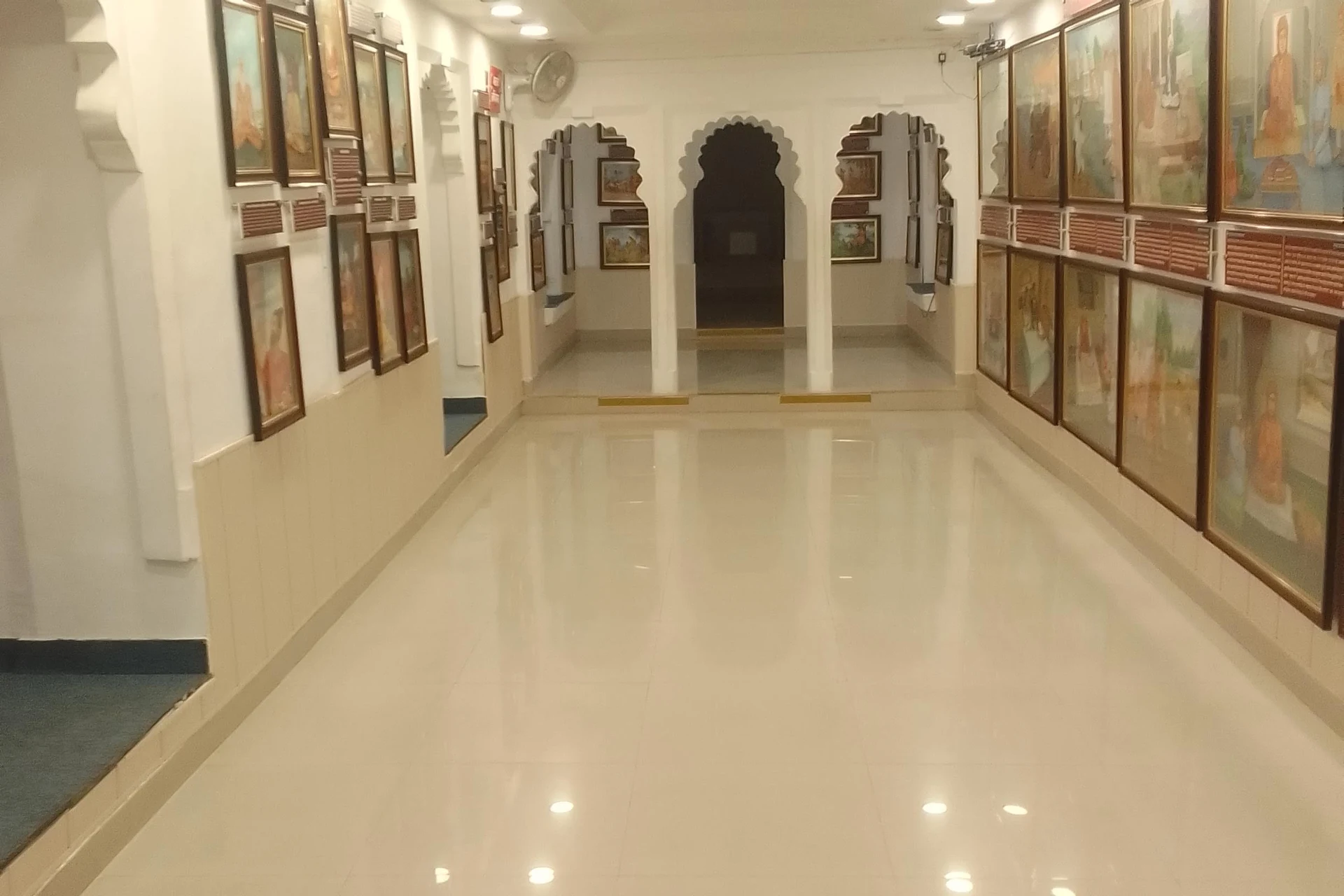
Suppose your exhibition booking says 2:00 p.m. and you have two other rooms you would like to visit. Put the exhibition entrance on your map first. Then choose one nearby room for before the booking and leave the second for afterward. That is the starting shape of this plan.
The example below uses an imaginary museum, invented room names and chosen time allowances. It demonstrates how to organise a visit; it does not describe any venue’s floor plan, entry window or admission policy. Your booking instructions determine when and where you need to present yourself.
The useful decision is which parts of the visit can move when the fixed appointment cannot.
Write down the booking instructions before choosing rooms
Make a short note containing the exhibition name, booked date and time, entrance location and any stated arrival instructions. Keep the confirmation accessible. Check whether the instructions distinguish entering the building from reaching the exhibition entrance.
Do not assume a late-arrival allowance or an early-entry window. If the wording is unclear, resolve that with the venue before building a tight route around it. Record any relevant restrictions on leaving and returning rather than planning around an assumed ability to re-enter.
Next, list practical stops you want to make before the exhibition, such as a cloakroom visit or a break. Verify the facilities and arrangements you expect to use. Give each stop space in the plan instead of treating it as time that will somehow appear between galleries.
Choose one priority and one optional room
Imagine the building has an entrance hall, a ceramics room on the ground floor, a textiles room upstairs and a timed exhibition beyond the upper landing. On your copy of the real venue map, mark the equivalent places you actually want to reach.
Give each proposed stop a role. In this example, ceramics is the main additional interest, textiles is optional and the booked exhibition is fixed. These are personal preferences, not a ranking of the collections.
Check object access separately from room location if your plan depends on seeing a particular piece. The V&A collection listing, for example, includes objects marked “On display,” “Not on display” and “View by appointment.” Finding an object in an online collection does not establish that it will be available during your walk through a gallery.
A route can still work when an individual object is unavailable. Decide whether you would enjoy the room generally or whether that stop exists only for one piece. Remove it if its sole purpose no longer applies.
Work backward to build the route
Start with the time you need to be at the exhibition entrance according to your booking instructions. Set aside a separate buffer before that point, then allow for the actual route from the preceding room. What remains is your browsing time.
For the imaginary 2:00 p.m. booking, the visitor chooses to reach the exhibition entrance at 1:45 p.m., provided that is compatible with the venue’s instructions. The fifteen minutes are a personal planning allowance, not a recommended arrival rule for museums generally.
| Time | Activity | Role in the plan |
|---|---|---|
| 12:30–12:50 | Arrive, orient yourself and make practical stops | Chosen arrival allowance |
| 12:50–1:20 | Visit the ground-floor ceramics room | Priority browsing |
| 1:20–1:30 | Take a break | Planned pause |
| 1:30–1:45 | Follow the checked route to the exhibition entrance | Movement allowance |
| 1:45–2:00 | Keep time free near the required entrance | Chosen buffer, subject to instructions |
| 2:00 | Timed exhibition booking | Fixed appointment |
| After the exhibition | Consider the upstairs textiles room | Optional; check remaining opening time |
The walking allowance must be checked against the real building and the route you intend to use. A map alone does not establish how long a transfer will take for you.
Decide in advance what to shorten
Write one decision beside the itinerary: “If I am still making arrival stops at 12:50, shorten ceramics.” Add a second: “At 1:30, leave for the exhibition route.” These are illustrative triggers tied to the example schedule.
This prevents every delay from becoming a fresh negotiation with the entire plan. You have already chosen which activity can shrink. If arrival runs much later, omit the first gallery and follow the venue’s instructions for reaching the booking.
Keep the buffer available for uncertainty. Spending it on an extra room removes the spare time you deliberately reserved. If you arrive comfortably early, use the time as permitted by the venue rather than assuming admission will be available.
Leave the afternoon’s second half open
A timed start does not tell you how long you will want to spend inside. Check for any stated duration or session conditions, but avoid inventing a precise finish time when none is established.
Afterward, reassess the optional textiles stop against your interest, the remaining opening time and the route out. You may choose a short visit, a longer look or departure. The optional room has done its job even if you skip it: it offered a possibility without putting pressure on the booking.
Save a compact version of the plan on paper or your phone: booking instructions, priority room, departure trigger, checked route and optional room. Keep the map with it. Those five items are enough to guide the next decision when the visit unfolds differently from your example schedule.
Sources and editorial notes

Pack Worn Clothes Separately Without Losing Track of What Is Still Wearable
One laundry bag cannot tell you which worn clothes are ready for another outing. Use three suitcase zones, a temporary drying space and…

Photograph a Place Through Details, Not Just Landmarks
Build a six-frame travel photo story around a wide view, texture, lettering, color, an everyday object and a closing scene. Use a simple…
Keep Useful Museum Notes When the Labels Are in an Unfamiliar Language
You do not need to understand every label to leave with useful museum notes. Preserve object identifiers and displayed wording, then keep your…