Style a Printed Skirt With Tops You Already Own
Pull three familiar tops before buying something to match your printed skirt. This illustrative outfit comparison uses repeated colors, visible pattern scale and simple hem adjustments to help you choose combinations you actually want to wear.
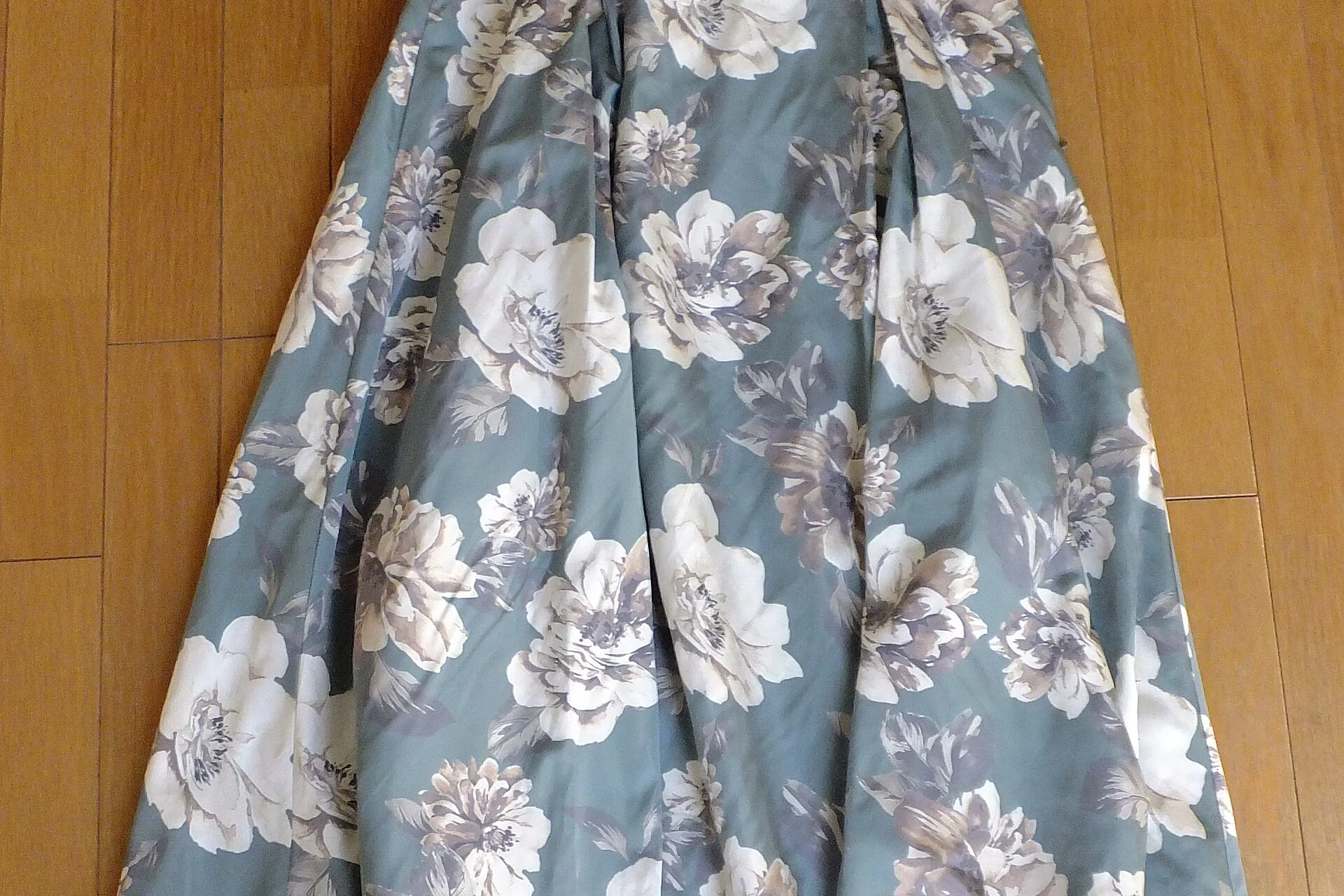

Take a navy skirt with cream flowers and small rust-colored centers. Beside it, place a cream T-shirt, a navy shirt and a rust ribbed knit. Those three familiar tops give you three distinct starting points without introducing a new color or buying a matching set.
This is an illustrative wardrobe exercise, not a rule about which colors or patterns belong together. Use your own skirt as the reference. The aim is to find out which part of its print you want to repeat, how much of the top you want to show, and whether another pattern adds something you enjoy.
Read the print before choosing the top
Lay the skirt flat and name its background color, largest motif and smaller details. Then hold it up or put it on and step back. A tiny accent you can see close up may be less noticeable at outfit distance.
For the example skirt, write: “Navy background; large cream flowers; small rust centers.” That short description gives each potential top a reason to be in the comparison. The navy shirt repeats the background, the cream T-shirt repeats the flowers, and the rust knit draws out a smaller detail.
You do not need to identify every shade. Choose two or three colors that you can reasonably connect to tops already in your wardrobe. If none of your tops is an exact match, compare the near matches in person. Keep the ones you like rather than treating precision as an obligation.
Also describe the motif size in ordinary terms: tiny scattered dots, broad stripes, large flowers. You will use that observation later if you try a patterned top.
Build three looks with different jobs
Keep the skirt and shoes the same while you try the three tops. That makes it easier to focus on the upper half rather than deciding on three complete outfits at once.
| Top | Connection to the skirt | First adjustment to try |
|---|---|---|
| Cream T-shirt | Repeats the large flowers | Compare loose and lightly tucked |
| Navy shirt | Repeats the background | Check the shirt hem against the waistband |
| Rust ribbed knit | Repeats the small flower centers | Try the hem resting at the waist |
Look one: cream T-shirt. In this example, I would use the plain T-shirt when I wanted the flowers to remain the main detail. Start with the T-shirt as you normally wear it, then change the tuck only if the hem interrupts the outline you prefer.
Look two: navy shirt. This is the version I would try for a stronger connection to the skirt’s background. Compare sleeves down and casually turned back, but keep the rest unchanged. Choose the version that feels natural rather than adding styling gestures by habit.
Look three: rust knit. Here, the smaller print detail becomes the starting point for the outfit. If the knit’s shade feels disconnected in person, put it aside. The fact that two pieces share a color name does not mean you must enjoy them together.
Try a patterned top as a separate experiment
If you own a navy-and-cream striped top, substitute it for the cream T-shirt. In this example, narrow stripes beside larger flowers would be my first pattern-mixing trial because the two motifs are visibly different in size. That is a personal starting choice, not a guaranteed formula.
Stand back and compare this version with the plain cream top. Ask whether you can still pick out both patterns and whether you like the amount of detail across the whole outfit. “More interesting” is not automatically “better for today.”
If the combination feels too busy to you, return to a plain top rather than trying to fix it with extra accessories. If you enjoy it, keep the shoes and bag simple for the first wear so you can judge the pattern pairing on its own terms.
A large-patterned top is not forbidden. Try it if you own one, but give it a separate comparison instead of assuming that all pattern mixing will behave the same way.
Adjust the meeting point at the waist
Before rejecting a color combination, check where the top ends. Compare an untucked hem, a partial tuck and a full tuck when the garment permits. You may like the same two pieces much more with a different amount of fabric showing.
Look at the front and side, then sit down. If you have to keep arranging the top to preserve the look, record that as a drawback. A combination can look appealing standing still and still be the wrong choice for your day.
Check the outfit with any layer you expect to wear. A jacket covers part of the top and print, so make that decision with the jacket on. If you are considering a utility layer, use the utility jacket styling guide as a separate next step after choosing your base.
Keep a short try-on record
Give each combination one line in a note. Use these prompts rather than a numerical score:
- Top and color connection: what repeats from the skirt?
- Preferred hem: loose, partially tucked or fully tucked?
- Practical issue: anything that shifts, catches or needs attention?
- Next wear: where would you genuinely choose this outfit?
An illustrative entry might read: “Cream T-shirt; repeats flowers; partial tuck; comfortable seated; weekend lunch.” Another might say: “Rust knit; color not convincing together; skip.” A rejected pairing is still a useful result.
Keep the best two combinations accessible in your wardrobe or outfit notes. If you want to extend them for different occasions, the one-base outfit approach offers a relevant next exercise. Start with combinations you have already worn successfully, not a new list of things to buy.

Does Your Bag Strap Work With Your Coat? Try These Everyday Movements
A bag can look right over a coat and still interrupt every pocket reach. Use this movement test to compare strap settings, seated…
Choose a Table Runner Around a Centerpiece You Already Own
Use your existing centerpiece and everyday place settings to compare two runner widths. This measured paper-layout exercise helps you choose the visible border,…

Mix Dining Chairs by Repeating One Visible Feature
Build a dining chair arrangement around one repeated detail, then check how each chair fits your table. A worked comparison board separates personal…