Photograph a Place Through Details, Not Just Landmarks
Build a six-frame travel photo story around a wide view, texture, lettering, color, an everyday object and a closing scene. Use a simple editing exercise to give each photograph a distinct purpose.

A tiled doorway, a painted sign and a chair outside a café can become three connected photographs. Add a view of the street, a deliberate color pairing and a final scene, and you have a small sequence with its own rhythm.
Try this as a personal styling exercise for your travel album: choose six images that show what caught your eye on one walk. The sequence below is an illustrative framework, with room for your own preferences. You might notice polished surfaces and precise lettering; someone else might choose faded paint and irregular edges.
Choose a visual thread before you start
Give yourself one short brief: “blue against warm stone,” “curves and painted edges,” or “quiet corners with one bright object.” Choose something you can recognize in a scene without needing to explain the place’s history.
For this worked example, imagine a street with cream walls, green doors and patterned tile. The chosen thread is green against pale surfaces. That preference guides the photographs; it does not stand for the whole destination or claim to capture a local identity.
Keep the area manageable. One street or a short route between two stops is enough for the exercise. If a landmark belongs naturally in that route, include it. Give it a specific job, such as establishing the setting, rather than letting it determine every photograph.
Use whatever camera you already want to carry. First decide what belongs inside the frame: a complete doorway, a patch of tile, or the space between two objects. Equipment choices can wait until you have a reason to change them.
Give each of the six frames a job
Save this list in your notes before the walk. You can take several candidates for each position, then choose the final six afterward.
- Wide scene: show the street or corner that holds the other details. In the example, a cream façade and green doorway establish the palette.
- Material: move to a visible surface, such as patterned tile. Include enough edge or surrounding wall to make your chosen crop intentional.
- Lettering: photograph a public-facing sign whose shapes interest you. Decide whether the whole word or a smaller arrangement of letters serves the picture.
- Color pairing: place two colors in the same frame. Here, that could be a green shutter beside a pale wall.
- Everyday object: choose something ordinary that fits your thread, such as a café chair photographed with permission where needed.
- Closing view: step back for a different view that gives the sequence somewhere to finish, perhaps the doorway seen from farther along the street.
The assignments can overlap visually, but each selected image should contribute something distinct. If the material photograph and color pairing are almost identical, change the distance, subject or composition of one.
Let access and privacy shape the frame
Read posted photography rules before taking pictures, and follow restrictions in venues and private spaces. If permission is unclear, ask or choose another subject. A six-frame exercise is flexible enough to survive a missing doorway.
Keep entrances and walking routes clear while composing. Avoid leaning into a doorway, moving belongings or rearranging objects for a cleaner picture. Treat the available view as part of the assignment.
For this exercise, choose frames without identifiable strangers wherever practical. Wait for a clear moment, change your angle or select another detail. Ask before making someone the subject, and accept a refusal without trying to negotiate a different pose.
Inspect the edges of each photograph for room numbers, personal paperwork, vehicle plates or other details you do not intend to share. If the subject depends on exposing someone’s private space, leave it out of the set.
Edit for relationships between pictures
Place your candidates together in a temporary album. Start by choosing the wide scene and closing view, then fill the four positions between them. Look at the whole sequence before polishing individual images.
In the illustrative green-and-cream set, you might discover that four photographs are close views of green rectangles. Keep the strongest one in its assigned role. Replace another with curved lettering or an object with a different outline, while retaining the color thread.
Try this editing test: cover each photograph in turn. What disappears from the sequence? If the answer is only “another green door,” that frame may be expendable. If you lose the only view showing the street’s layout, it has a clearer purpose.
For individual detail shots, use the same attention to visibility you would bring to photographing a clothing wishlist clearly: decide which feature the viewer needs to see, then check whether your framing actually shows it.
Finish with a small, honest travel record
Add short captions if they help you remember your choices: “tile beside the green door” or “lettering that echoed the window curves.” Avoid assigning cultural meaning to a detail simply because you liked its appearance.
Keep editing choices consistent with the record you want. If accurate color matters to you, compare your adjustments across the set and resist pushing each image toward a different palette. If you prefer a more interpretive finish, treat that as your aesthetic choice.
Save the six images in order, alongside a note naming your visual thread. This is a selective account of one walk. Weather, access, crowds and your own attention will leave things outside the frame. On another day, repeat the same brief somewhere else and see which details you choose differently.
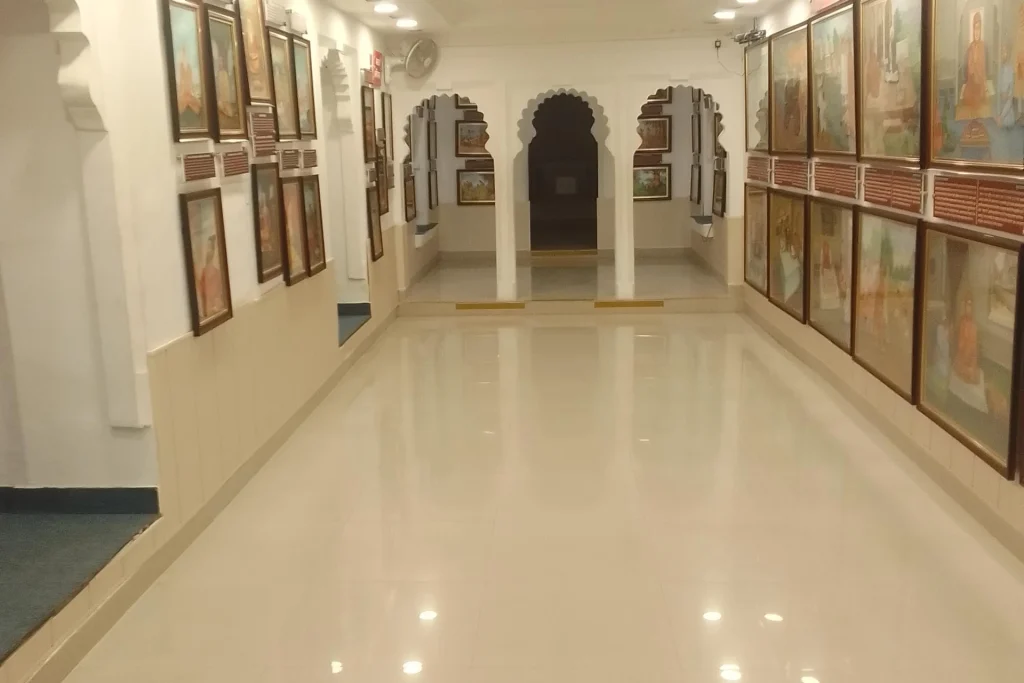
Choose a Gallery Visit Order Around One Timed Booking
Work backward from one fixed exhibition time to choose a realistic gallery order. A hypothetical itinerary separates priorities, optional rooms and a buffer,…
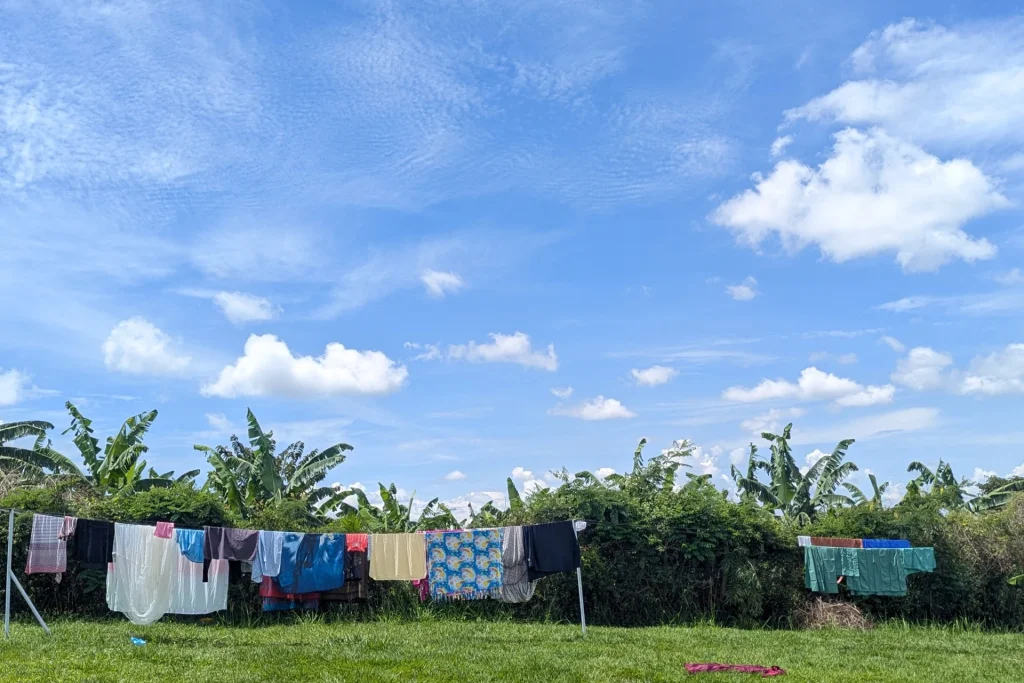
Pack Worn Clothes Separately Without Losing Track of What Is Still Wearable
One laundry bag cannot tell you which worn clothes are ready for another outing. Use three suitcase zones, a temporary drying space and…
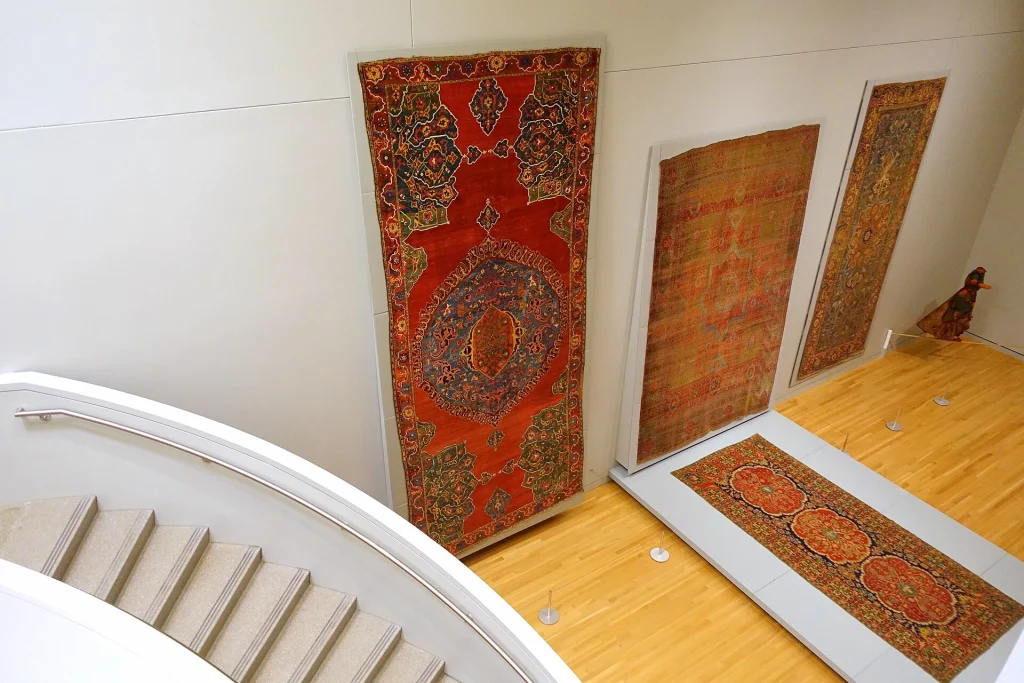
Keep Useful Museum Notes When the Labels Are in an Unfamiliar Language
You do not need to understand every label to leave with useful museum notes. Preserve object identifiers and displayed wording, then keep your…