Pack Worn Clothes Separately Without Losing Track of What Is Still Wearable
One laundry bag cannot tell you which worn clothes are ready for another outing. Use three suitcase zones, a temporary drying space and a short nightly reset to keep tomorrow’s options clear.
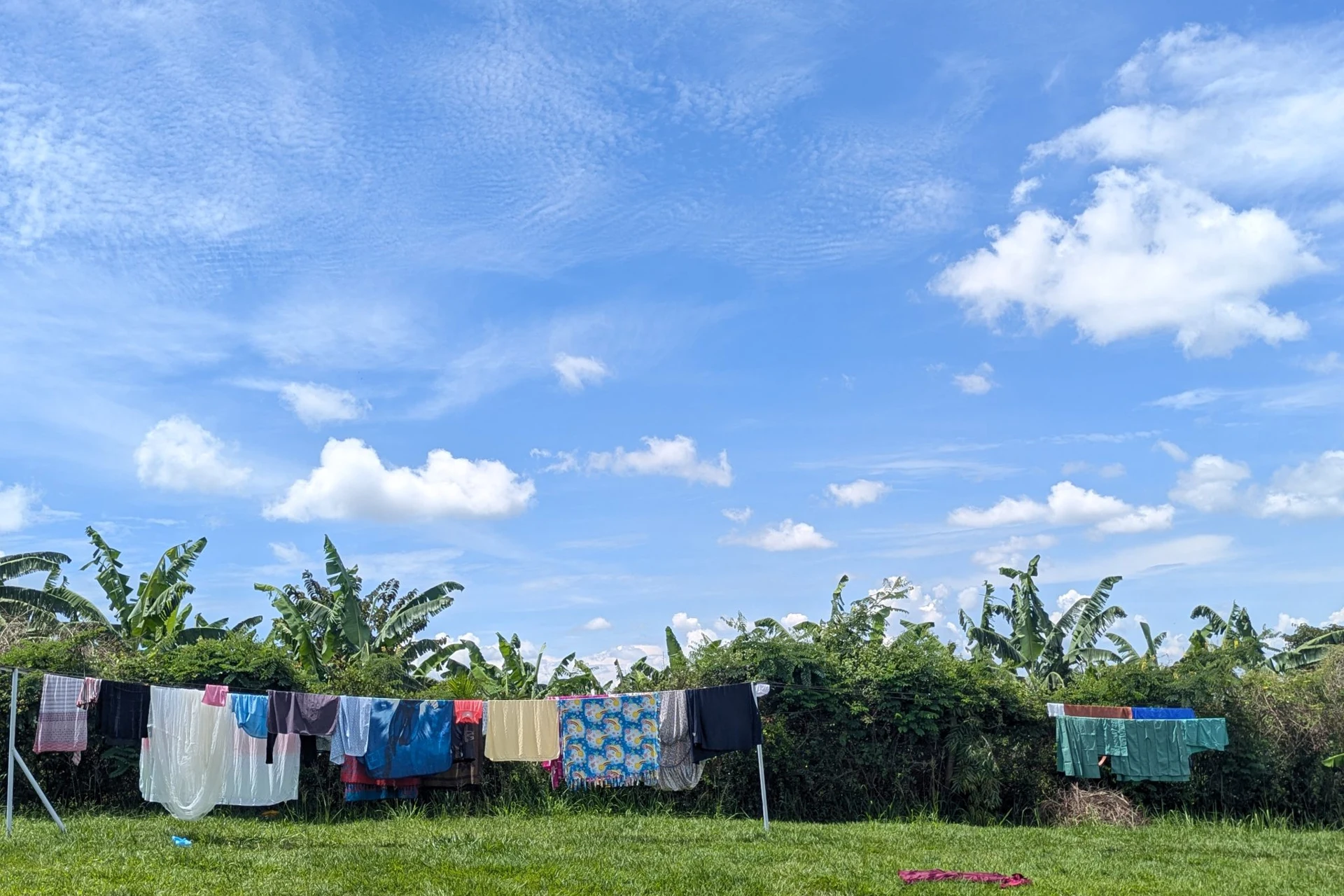
Your trousers have had one evening out. Your T-shirt is headed for cleaning. Your rain jacket is still damp. Putting all three in a bag marked “worn” leaves you with another sorting job tomorrow.
Use three suitcase zones instead: unworn, ready to rewear and awaiting cleaning. Keep a temporary space outside the suitcase for anything still drying or awaiting a decision. This is a tracking system, not a rule about how many times a garment should be worn.
The benefit is practical: when you get dressed, the ready-to-rewear group remains a visible part of your wardrobe rather than disappearing into a mixed laundry pile.
Give every packed item a clear status
Choose fixed locations before the first overnight stop. They can be packing cubes, fabric bags or separate parts of the case. You do not need matching organizers; labels matter more than appearance.
| Zone | Suggested location | What belongs here |
|---|---|---|
| Unworn | Main compartment, one side | Clothes not yet worn since packing or cleaning |
| Ready to rewear | Separate labeled cube or fold | Worn, dry items you have checked and chosen to wear again |
| Awaiting cleaning | Dedicated laundry bag | Dry items you have taken out of outfit rotation |
| Temporary hold | Suitable space outside the case | Damp items or pieces still awaiting assessment |
The layout is illustrative. Reverse the sides or use a drawer if that fits your accommodation. Keep the meanings consistent, especially when you change rooms or repack in a hurry.
A garment that has been cleaned and fully dried can return to the unworn zone. That label means unworn since its last cleaning, not necessarily unworn throughout the entire trip.
Make the rewear decision before folding
When you change, look at each piece rather than moving the whole outfit together. Check for dampness, visible marks and odors, then decide whether you would willingly put it on for the next suitable occasion. If not, remove it from rotation.
Airing is a holding step, not a promise that a garment will become ready to wear. Reassess it before moving it to the rewear zone. Nor does a dry surface settle a question about a stain or a care requirement.
Woolmark describes Merino wool as naturally odor resistant and needing less washing. That does not provide a fixed rewear count for your sweater, much less for every item in the case. Treat the actual garment and its care instructions as the boundary.
Keep decisions personal and specific: “These trousers are dry and I want to wear them tomorrow” is useful. “Trousers always get three wears” is an arbitrary rule that ignores what happened during the day.
Keep damp garments out of closed storage
Do not seal a damp garment into a bag and mentally mark the job finished. Keep it apart from the packed clothing while you arrange drying in a way its care instructions permit. Use an appropriate space, and respect the accommodation’s rules about hanging items.
If departure arrives before something is dry, give it a temporary transport arrangement separate from the other clothes, then unpack it promptly at the next suitable stop. This is an interruption to manage, not a fourth permanent suitcase category.
Do not assume that a radiator, hair dryer or unfamiliar laundry setting is a suitable shortcut. GORE-TEX’s outerwear guidance, for example, tells owners to follow the garment manufacturer’s instructions and includes different drying restrictions for particular products. A travel organizer cannot replace those distinctions.
If washing is necessary but you cannot carry out the prescribed care, plan around another garment rather than improvising a treatment. The system should reveal that you need a clothing alternative, not pressure you to make the damp piece available immediately.
Run a short reset each evening
Use the same order after changing. It prevents the suitcase from gradually becoming one large undecided zone.
- Empty the day’s landing pile. Collect clothing from the chair, bathroom and open case.
- Separate damp pieces. Deal with their drying requirements before packing anything.
- Assess dry worn items. Choose rewear or awaiting cleaning.
- Return each item to its zone. Do not leave the decision hidden in an unmarked bag.
- Select tomorrow’s outfit. Include rewearable pieces before opening more unworn options.
Suppose you return from dinner with dry trousers, a marked top and an unworn cardigan carried in your bag. In this illustrative reset, the trousers go into rewear, the top into awaiting cleaning and the cardigan back into unworn. A damp jacket stays outside all three until it is ready for reassessment.
If you planned the trip using outfit-based occasionwear packing, use that outfit list again here. Mark which base pieces remain available instead of assuming an entire outfit has become laundry.
Adjust the space as the trip progresses
Leave room for the awaiting-cleaning group to grow. An empty fabric bag at departure may need a substantial part of the case later. Move the divider or change the cube allocation without changing the labels.
On a multi-stop trip, put the next outfit somewhere reachable so that opening the case does not require unloading every zone. For a shared suitcase, add initials: one traveler’s rewear decision should not become the other person’s sorting puzzle.
At home, unpack all zones rather than returning the case to storage with a forgotten holding bag inside. Send awaiting-cleaning items to the appropriate next step, reassess rewear pieces and put away what is ready. The system ends when each garment has a real destination—not simply when the suitcase closes.
Sources and editorial notes
Choose a Gallery Visit Order Around One Timed Booking
Work backward from one fixed exhibition time to choose a realistic gallery order. A hypothetical itinerary separates priorities, optional rooms and a buffer,…

Photograph a Place Through Details, Not Just Landmarks
Build a six-frame travel photo story around a wide view, texture, lettering, color, an everyday object and a closing scene. Use a simple…
Keep Useful Museum Notes When the Labels Are in an Unfamiliar Language
You do not need to understand every label to leave with useful museum notes. Preserve object identifiers and displayed wording, then keep your…