Choosing a Mat for a Paper Print: Separate Appearance From Preservation
Choose the border you like, then ask separate questions about the materials surrounding your print. This framing brief distinguishes appearance, spacing and direct contact without treating a mat label as a guarantee.


Take two mat samples with similar colors and place them beside your print. You may prefer one immediately. That settles a visual choice; it does not tell you what the board contains, what will touch the back of the print or how the finished frame will hold it.
A useful framing brief has two parts: the appearance you want and the material questions you need answered. Keep both on the same page, but do not let a pleasing cream border stand in for the rest of the conversation.
Choose the visible border with a paper mock-up
Start with a copy or a measured outline of the print, especially if the original is fragile or difficult to handle. Use plain paper shapes to compare border widths without attaching anything to the artwork. The mock-up is for appearance, not for use inside the finished frame.
Try an equal border first, then a version with a deeper lower border if that appeals to you. For an illustrative 20 × 30 cm image area, a 5 cm border on every side produces a 30 × 40 cm outer rectangle. Increasing only the lower border to 7 cm makes that rectangle 30 × 42 cm.
Those are design comparisons, not cutting specifications. The actual sheet size, desired visible edges and frame construction still need to be considered. Tell the framer whether you want a signature, margin or irregular paper edge to remain visible.
Choose color alongside the artwork rather than from a room photograph alone. A quiet off-white, a color drawn from the image or a darker border are all personal options. Record what you prefer without turning it into a preservation claim.
Read the frame as a set of layers
Ask the framer to describe the proposed assembly from the room-facing side toward the back. The following is a discussion diagram for a possible window-mat arrangement, not a complete construction specification.
- Glazing: the transparent front layer. Ask how its position relates to the print.
- Window mat: the visible border around the opening. Ask about its composition and whether any part will contact the artwork.
- Print: identify the sheet edges, image area and any marks you want visible.
- Attachment and support: ask exactly how the print will be held and what materials will touch it.
- Backing and closure: ask what sits behind the support and how the assembly is completed.
This separates three jobs that can get blurred together: creating the visible border, establishing the proposed spacing and selecting contact materials. A wide mat border does not answer the other two questions.
If you are planning several framed pieces together, record each finished outside dimension before choosing the arrangement. That prevents a border decision from quietly changing the size of the whole display.
Ask about composition, not just reassuring labels
Acid- and lignin-free mats are among the supportive protective enclosures recommended for works on paper. Such materials may be alkaline buffered or neutral pH. The distinction deserves a specific conversation because some media on paper can be sensitive to alkaline pH.
Ask: “What is this board made from, is it buffered, and why is it appropriate for this print?” If the answer is only a broad label such as “archival,” request the actual material description and the reason for the choice.
Do not assume a transparent material is suitable simply because you can see through it. Polyester film can produce an electrostatic charge that lifts powdery media, including pastel, charcoal, pencil and flaking paint. If any of those are present, flag them before agreeing to an enclosure or support arrangement.
You do not need to identify unfamiliar media by experimenting on the print. Describe what you know, retain any artist or seller information and ask for an assessment where needed. Material uncertainty is a reason to pause the specification.
Bring a short, written brief to the framer
Use this example as a fill-in sheet. The visual preferences are illustrative; the questions are intended to make the proposed work explicit.
| Decision | Preference or question |
|---|---|
| Visible area | Keep the image, signature and lower paper margin visible. |
| Border appearance | Compare a warm off-white equal border with a deeper lower border. |
| Mat composition | Specify acid- and lignin-free board; explain buffered or neutral-pH selection for this print. |
| Spacing | Explain the proposed separation between the print and glazing. |
| Direct contact | List support and attachment materials that will touch the sheet. |
| Finished size | Confirm outside frame dimensions before proceeding. |
Avoid applying self-adhesive tape or glue to the print while preparing your mock-up. Keep hands and the work area clean, and move food and drinks elsewhere. If the print already has tears, stains, flaking material or other condition concerns, ask whether a paper conservator should assess it before framing.
If framing is being given as an experience rather than completed in advance, the guide to choosing a creative gift is a related read. Leave the final visual decisions to the recipient when their preferences are unknown.
Choose the display location as carefully as the border
Care guidance for works on paper calls for minimal exposure to all kinds of light and no direct or intense light. It also recommends distance from radiators and vents, and a clean, stable environment away from locations at high risk of leaks or environmental extremes.
Before approving the frame, name the intended wall. Consider whether direct light reaches it and whether a radiator or vent is nearby. A material specification does not remove the need to consider the display location.
Keep the final brief with the print’s records: selected border, named materials, attachment description and finished dimensions. For condition problems beyond routine care, seek a paper conservator rather than trying a treatment yourself. The useful outcome is a frame whose appearance you have chosen and whose construction you can describe—not a promise that framing eliminates every preservation risk.
Sources and editorial notes

Does Your Bag Strap Work With Your Coat? Try These Everyday Movements
A bag can look right over a coat and still interrupt every pocket reach. Use this movement test to compare strap settings, seated…
Choose a Table Runner Around a Centerpiece You Already Own
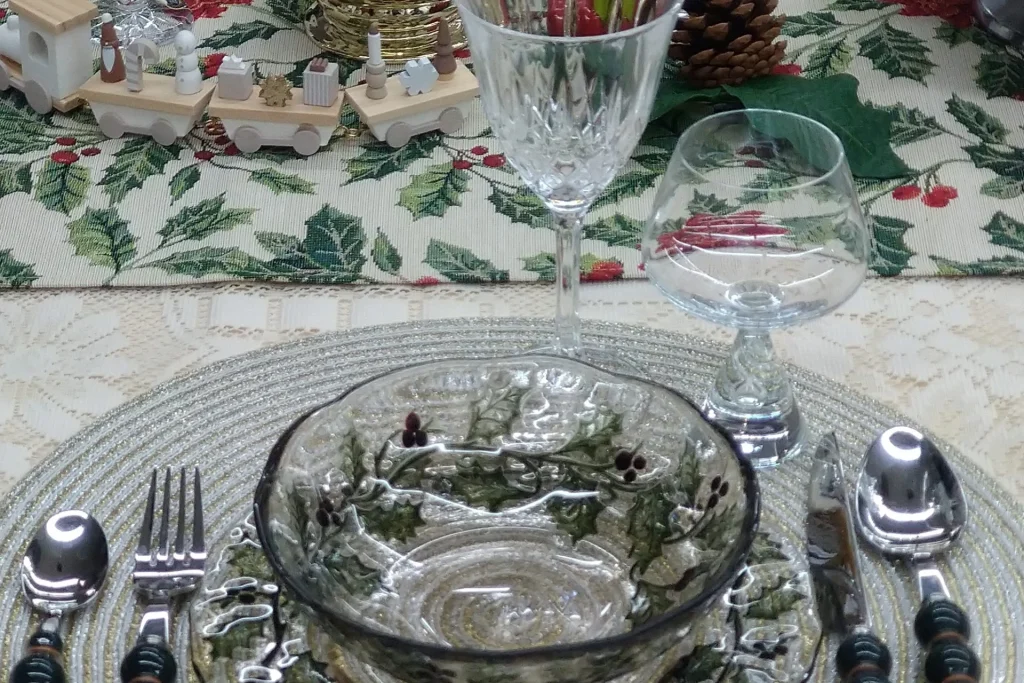
Use your existing centerpiece and everyday place settings to compare two runner widths. This measured paper-layout exercise helps you choose the visible border,…
Mix Dining Chairs by Repeating One Visible Feature
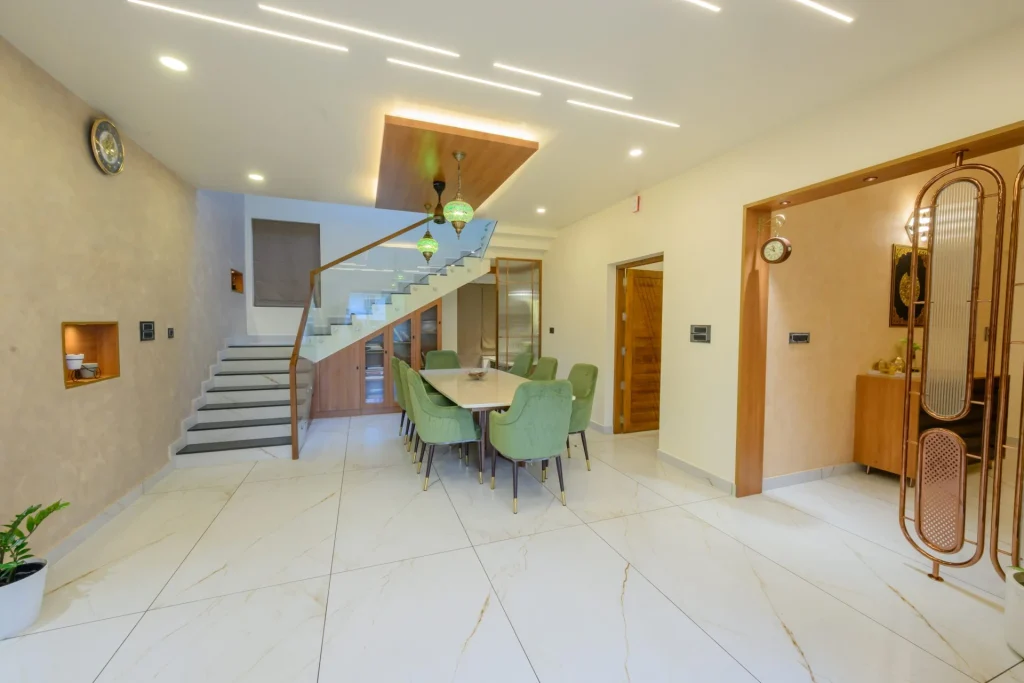
Build a dining chair arrangement around one repeated detail, then check how each chair fits your table. A worked comparison board separates personal…