Write a Museum-Style Label for a Meaningful Object at Home
Write a compact label for an inherited or meaningful possession using visible details, documented facts and attributed memories. An eighty-word example shows how to preserve a story while leaving uncertain details open.
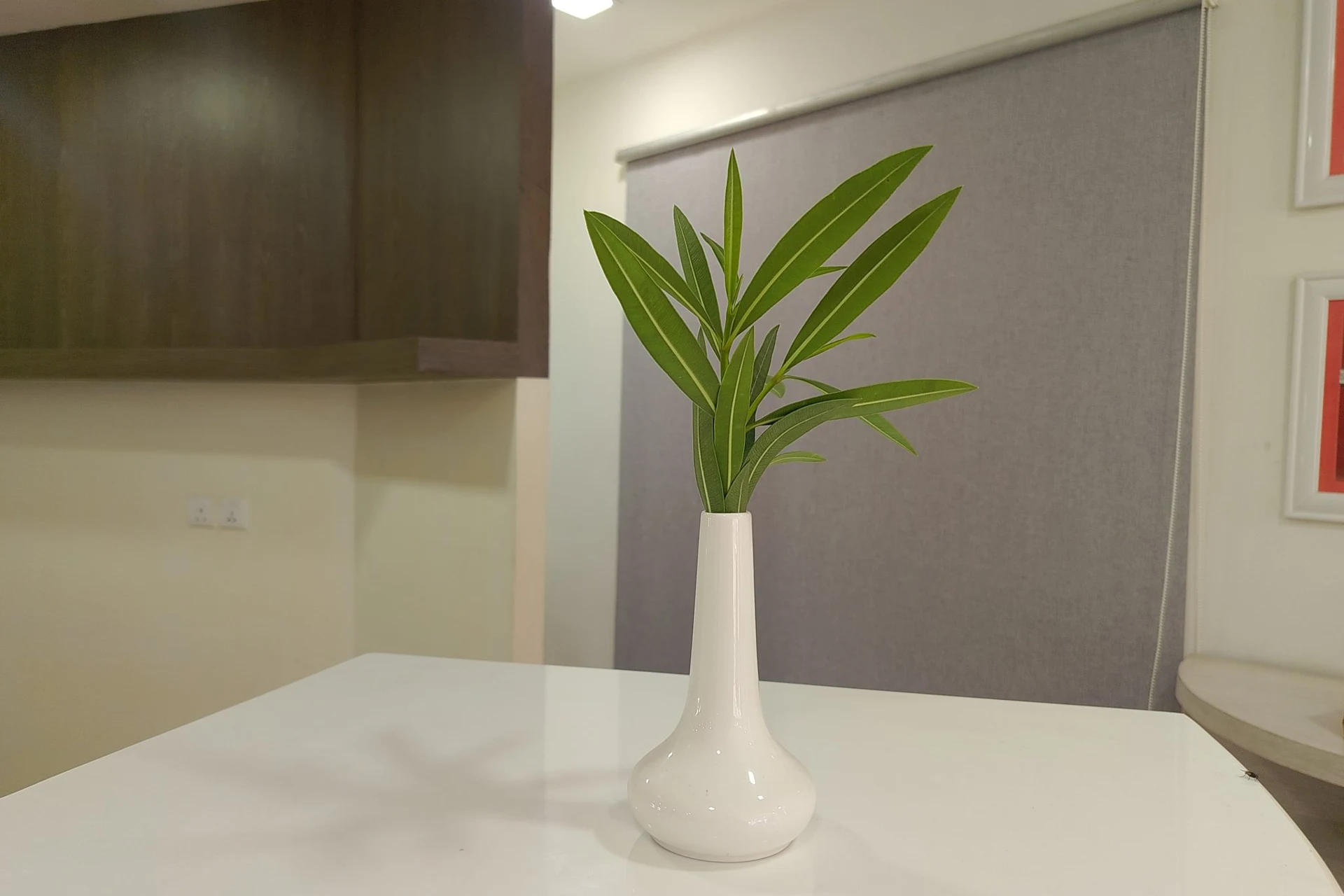
“Wooden sewing box; maker unknown; remembered by its current owner as belonging to her grandmother.” A useful object label can begin that simply. It gives the object a name, records a connection and leaves the missing maker visible.
For a meaningful possession at home, aim for a label of about eighty words, with a longer note kept separately. That gives you room for the object’s appearance, the basis of its history and the reason you want to remember it. You do not need a complete chain of ownership or a confident date to begin.
Give the object a plain, recognisable name
Start with the name someone would use to find it: “sewing box,” “blue scarf” or “oval brooch.” Add a distinguishing feature if several similar objects are in the household. “Sewing box with a divided tray” is more useful than “Grandmother’s treasure,” which could describe almost anything.
Museum collection records offer a useful prompt for what to consider. The V&A collections search includes fields for object type, maker, materials, place of origin and dates. Treat those as questions you may be able to answer, rather than blanks you must fill.
For your home label, a working heading could be “Sewing box with divided tray — maker and date unknown.” If you cannot identify the material, describe its appearance instead: “brown box with a wood-grain appearance.” Naming an object does not require solving every detail about it.
Sort your notes into three kinds of information
Before writing polished sentences, make three short lists. Keep the object in view if possible, and write each statement under the heading that explains how you know it.
- Observable details: what you can currently see, such as two handles, a striped lining or an inscription.
- Documented facts: information recorded in an accompanying receipt, dated note or other identified record.
- Attributed recollections: what a named person remembers or was told.
Be precise about what a document establishes. A dated note saying “Mum’s sewing box” records that description on that date. It does not, by itself, establish when the box was made, who bought it or whether its contents have always belonged together.
Family recollections deserve equally clear wording. “Ruth remembers seeing the box beside her mother’s chair” preserves Ruth’s memory. Changing that to “The box was used daily for fifty years” adds a duration and frequency that the recollection does not supply.
Record who shared the memory and when in your longer note. If relatives disagree, keep both accounts attributed. You can leave the disagreement out of the short label while retaining it in the record.
Use this eighty-word label as a model
The following is an invented example showing how the parts can fit together. Its names, dates and object history are illustrative.
Sewing box with a divided tray and a worn handle. Maker and date unknown. A note kept inside, signed by Ruth in 2008, calls it “Mum’s sewing box.” Ruth recalled that her mother kept buttons and mending thread here; no purchase record accompanies it. The box passed to Anna in 2019, according to Anna’s own record. Its importance to Anna lies in the small, ordinary objects still inside: loose buttons, folded ribbon and a paper packet labelled in blue ink.
The opening identifies visible features. The next sentence states two gaps. The signed note supports a specific description, while “Ruth recalled” signals a memory. Anna’s record supports the account of receiving it, and the final sentence explains its personal meaning.
Notice what the example leaves alone: no maker is inferred from the shape, no age is assigned from wear, and no monetary value is attached to the family connection. The label has enough detail to be distinctive without supplying a complete history.
Draft your own label in four passes
First, write the identification. Use one sentence for the object and its distinguishing features. Avoid a string of praise words. “Oval brooch with a blue centre and six clear surrounding stones” gives a reader something to recognise.
Second, add the strongest historical detail. State what the record says and identify the record briefly. If all you have is a recollection, attribute it directly. “My father remembers” is a usable beginning.
Third, name a meaningful uncertainty. Include the gap most likely to invite a mistaken assumption: an unknown maker, an unconfirmed date or an unclear route into the family. You need not catalogue everything you do not know.
Fourth, explain the connection. Write why you keep this particular object. A remembered habit, inscription or association is more specific than “It has sentimental value.” Read the result aloud and remove any sentence that repeats another.
Keep the short label connected to a fuller record
Put supporting details in a separate document or notebook entry: photographs, exact inscription transcriptions, record locations, recollections and unresolved questions. Give the label and longer entry the same simple identifier, such as “Home object 04.” Keep the paper label beside the object for display or in your records, without attaching it to the object.
If you photograph it, include an overall view and any detail mentioned in the label. The guide to photographing clothing details clearly is a related starting point for wearable keepsakes.
This exercise records your knowledge and connection; it does not establish authenticity or value. Date the longer record and revise it when something new emerges. If the box’s maker remains unknown, keep those two words on the label and let the story you can support stand.
Sources and editorial notes
Build an Occasionwear Reference Folder From Your Own Photos
Turn a handful of event photos into a useful dressing reference. Record venue, invitation wording and combinations you actually wore, then add the…
Build a Visual Glossary From Five Details in One Museum Object
Use five details from one object to build a visual glossary you can revisit. Pair small drawings with plain descriptions, verified terms and…
What a Fashion Plate Can—and Cannot—Tell You About Clothing
A drawn sleeve can reveal a silhouette without explaining its construction. Use a simple evidence table to separate visible details, printed descriptions and…