Build an Occasionwear Reference Folder From Your Own Photos
Turn a handful of event photos into a useful dressing reference. Record venue, invitation wording and combinations you actually wore, then add the details a photograph cannot tell you.
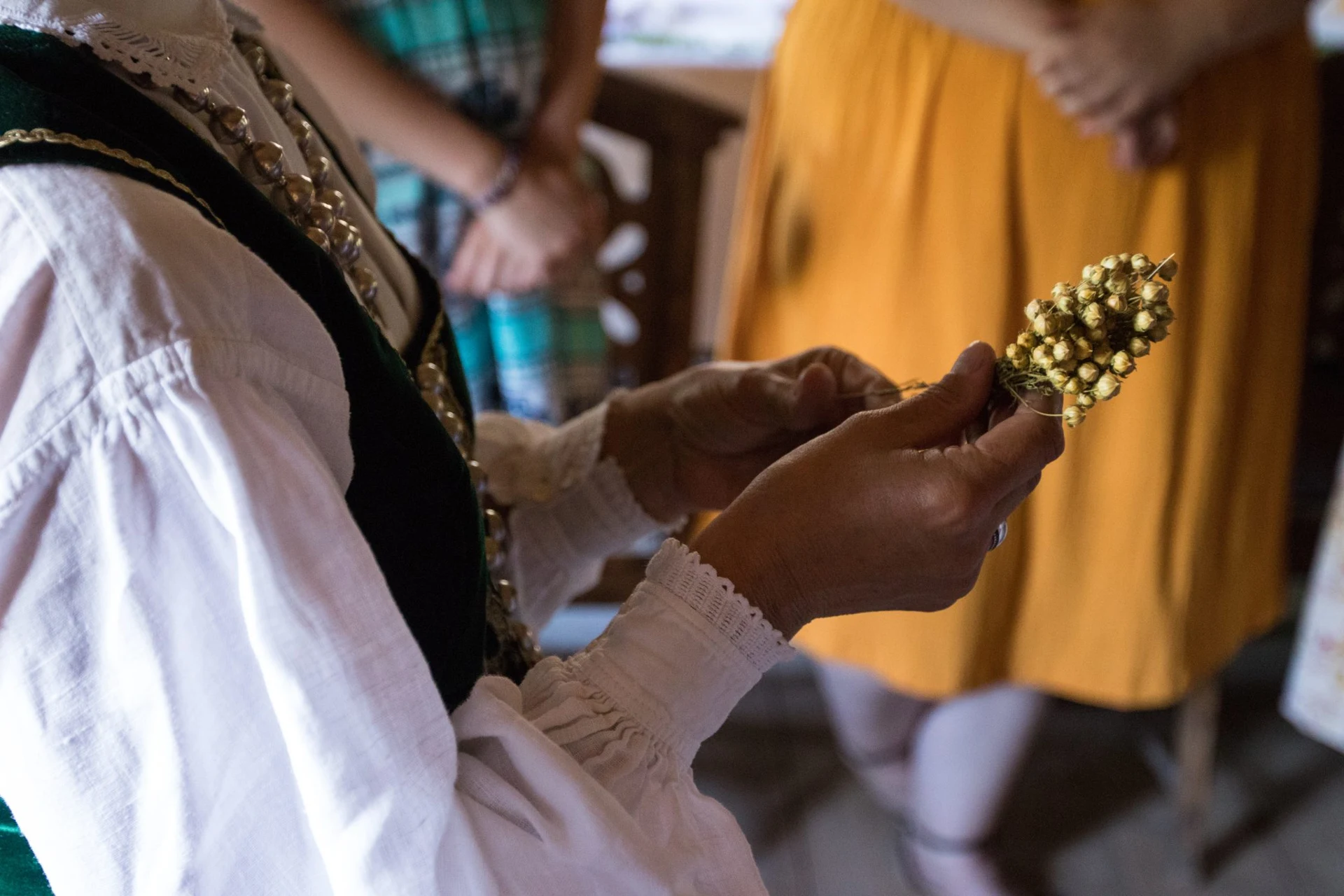
Choose three photographs: one outfit you would happily repeat, one that needed an adjustment and one you cannot quite remember wearing. Give each a short note about the event, the clothes and what you would change. Those three entries are enough to start an occasionwear reference folder.
The folder has a specific job: help you answer a future invitation using combinations you have already worn. It can live in a phone album, a document or a small printed file. Choose the format you will open while getting dressed, and keep the first version small.
Choose photographs that answer a dressing question
Start with six to ten events rather than your entire camera roll. Look for pictures that show a complete combination: clothing, shoes, bag and outer layer where possible. A favourite portrait can stay in your personal album even if it tells you little about the outfit.
Give each selected event a simple identifier, such as O01 or O02. Keep one main photograph per entry, with a second image only when it adds something useful. A seated picture might show the jacket you removed before the group photograph; a mirror picture might reveal the shoes hidden behind a table.
Include an imperfect outfit if you can explain the problem. “Wanted a different neckline with this necklace” is a useful personal judgement. “Bad outfit” leaves you with nothing to act on. You are recording your preferences, so there is no need to turn every observation into a rule.
Index the occasion before the colour
Use venue type, dress requirements and outfit combination as your main search fields. Colour can be an extra tag, but it will not tell you whether you wore the outfit to a seated dinner or an afternoon garden gathering.
Copy the invitation’s dress wording when you still have it. Put your interpretation in a separate field. For example, “dressy optional” belongs under invitation wording; “I chose tailored trousers and a satin blouse” belongs under your response. If you cannot recover the wording, write “not recorded”.
Keep the venue description practical: hotel dining room, private home, outdoor terrace or theatre followed by dinner. Do not assume the same venue has identical requirements for every event. For a new booking, use the steps in confirming a hotel restaurant dress code before relying on an old photograph.
Choose a small vocabulary you will reuse. “Seated dinner” is easier to retrieve consistently than separate labels for supper, evening meal and dinner party. Add a new tag only when it helps distinguish an actual dressing need.
Make one complete reference card
The following is an illustrative entry, with invented circumstances to show how the fields work. Replace every detail with your own clothing and recollections.
| Field | Example entry |
|---|---|
| Identifier | O03; main photograph O03-front |
| Occasion and venue | Evening celebration; hotel dining room |
| Invitation wording | Dressy optional |
| Combination worn | Navy trousers, ivory blouse, cropped jacket, silver earrings, black shoes, small black bag |
| Personal verdict | Would repeat; preferred the jacket open |
| Next-time change | Try a bag that holds my glasses case |
| Current status | Blouse available; shoes need a fresh try-on |
The identifier connects the picture to its notes even if filenames or album order change. Keep the combination specific enough to reconstruct. “Blue outfit” is too broad if you own several blue pieces.
Record borrowed items explicitly. A combination built around someone else’s jacket is a reference idea, but it is not a ready-to-wear option unless you arrange to borrow it again.
Add the information the camera missed
A photograph cannot tell you everything you carried, removed or wished you had brought. Add a short note about those details while you remember them. Useful prompts include: Which layer did I wear on arrival? Did I carry another bag? What did I change before leaving home?
Separate recollection from guesswork. Write “I remember changing shoes before dinner” if that is what you remember. If the shoes are outside the frame and you have no memory of them, leave the field open.
For a bag-related adjustment, try your current essentials in the actual bag before marking the outfit ready. The small evening bag test gives that check its own focused process.
Keep these notes brief. One clear sentence about a missing layer is more useful during dressing than a full account of the evening.
Use the folder against a real invitation
When another event appears, filter first by its requirements and setting. Choose two plausible entries, then check whether you still own the pieces and still want to wear them together. Mark each option “ready”, “try on” or “unavailable”.
Build the final combination in front of you. Your folder records an earlier choice; it cannot establish today’s fit, condition or preferences. An old photograph also cannot confirm a new host’s expectations.
After the event, update the existing entry if you repeated the combination. Add a new entry when the changes create a meaningfully different outfit. For variations around a familiar base, use three outfits from one base as a separate planning exercise.
Leave the next action visible: “try with longer earrings”, “replace unavailable jacket” or “ready for another seated dinner”. That small instruction makes the folder usable the next time an invitation arrives.
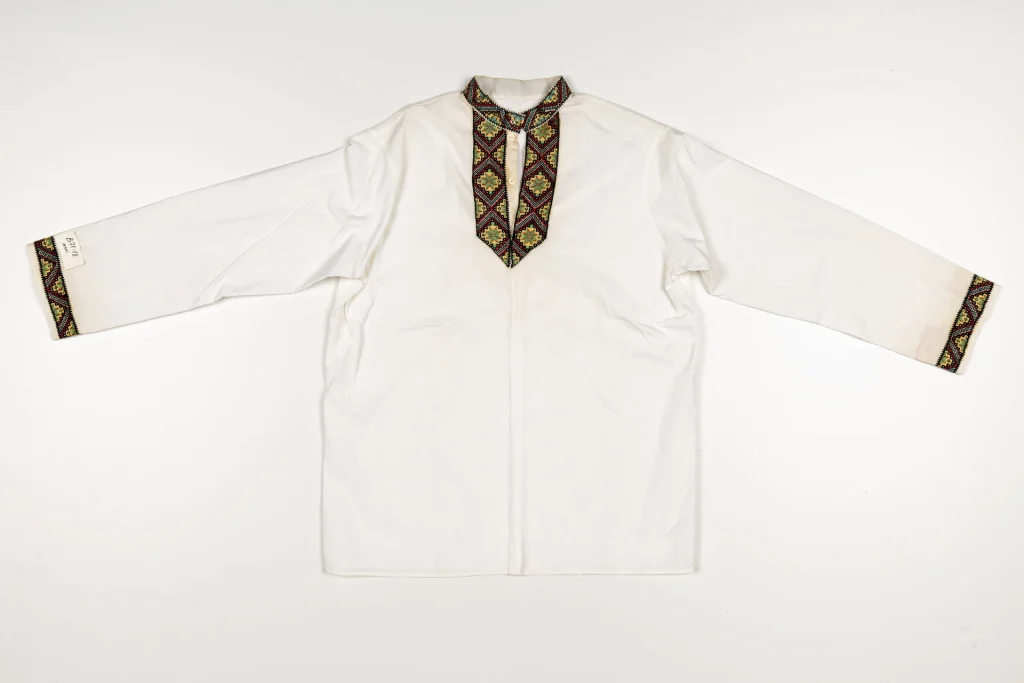
Build a Visual Glossary From Five Details in One Museum Object
Use five details from one object to build a visual glossary you can revisit. Pair small drawings with plain descriptions, verified terms and…
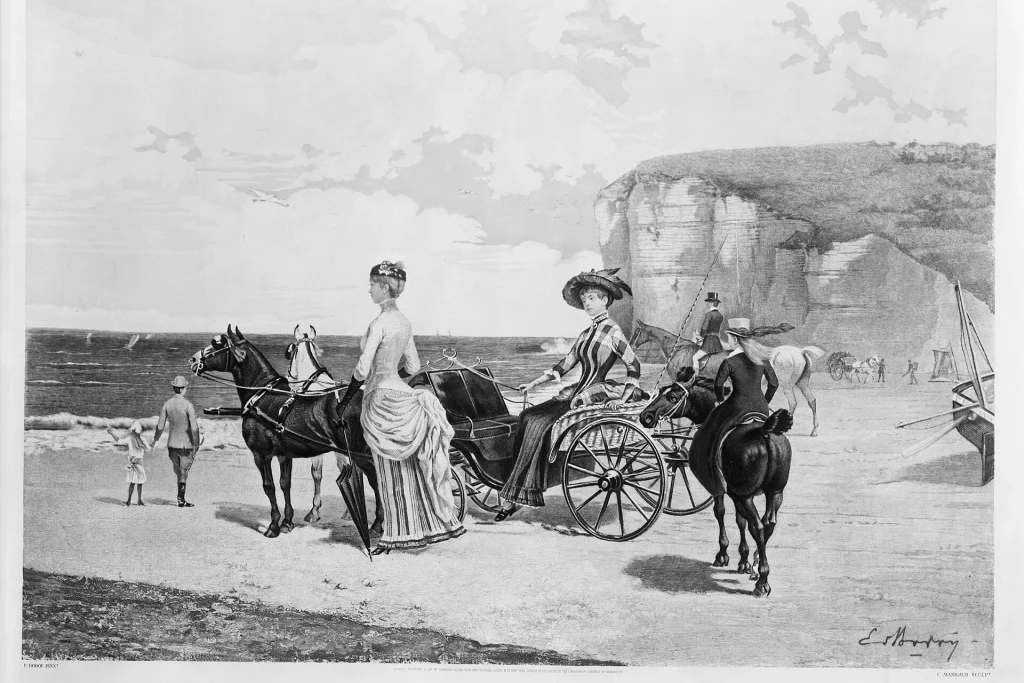
What a Fashion Plate Can—and Cannot—Tell You About Clothing
A drawn sleeve can reveal a silhouette without explaining its construction. Use a simple evidence table to separate visible details, printed descriptions and…
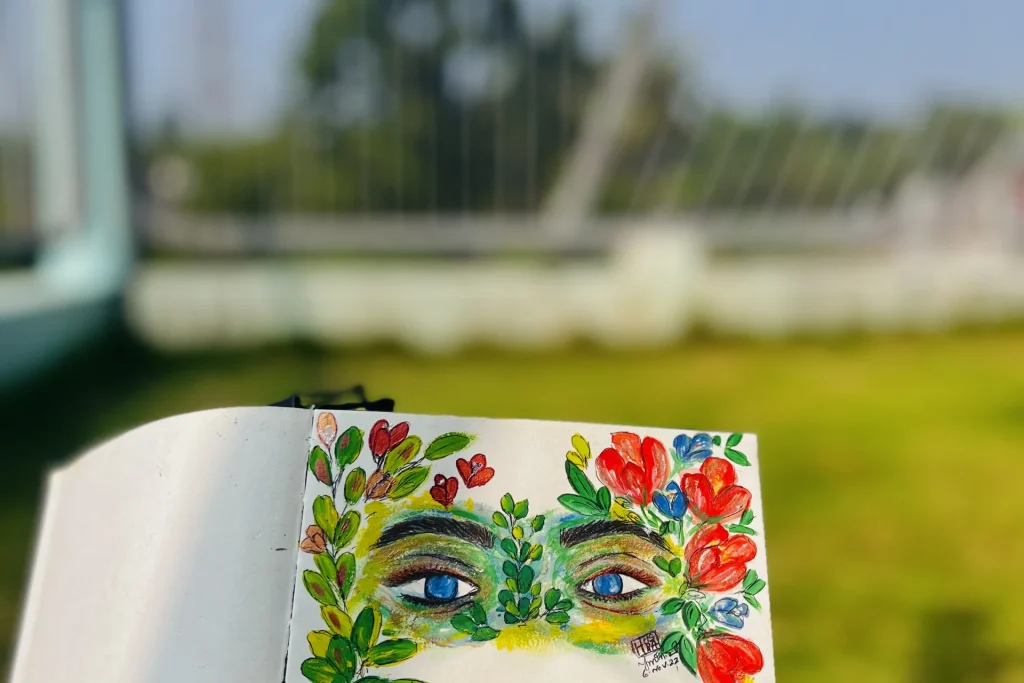
Keep a Motif Source Notebook Instead of Saving Unlabelled Inspiration
Keep a decorative motif connected to its object, maker attribution and collection record. This notebook template separates source details, visible features and personal…