Read Accommodation Photos for a Comfortable Getting-Ready Space
Use accommodation photos to check mirror position, usable surfaces and window arrangements. A simple evidence matrix and clarification message help you separate visible details from assumptions before choosing a room.
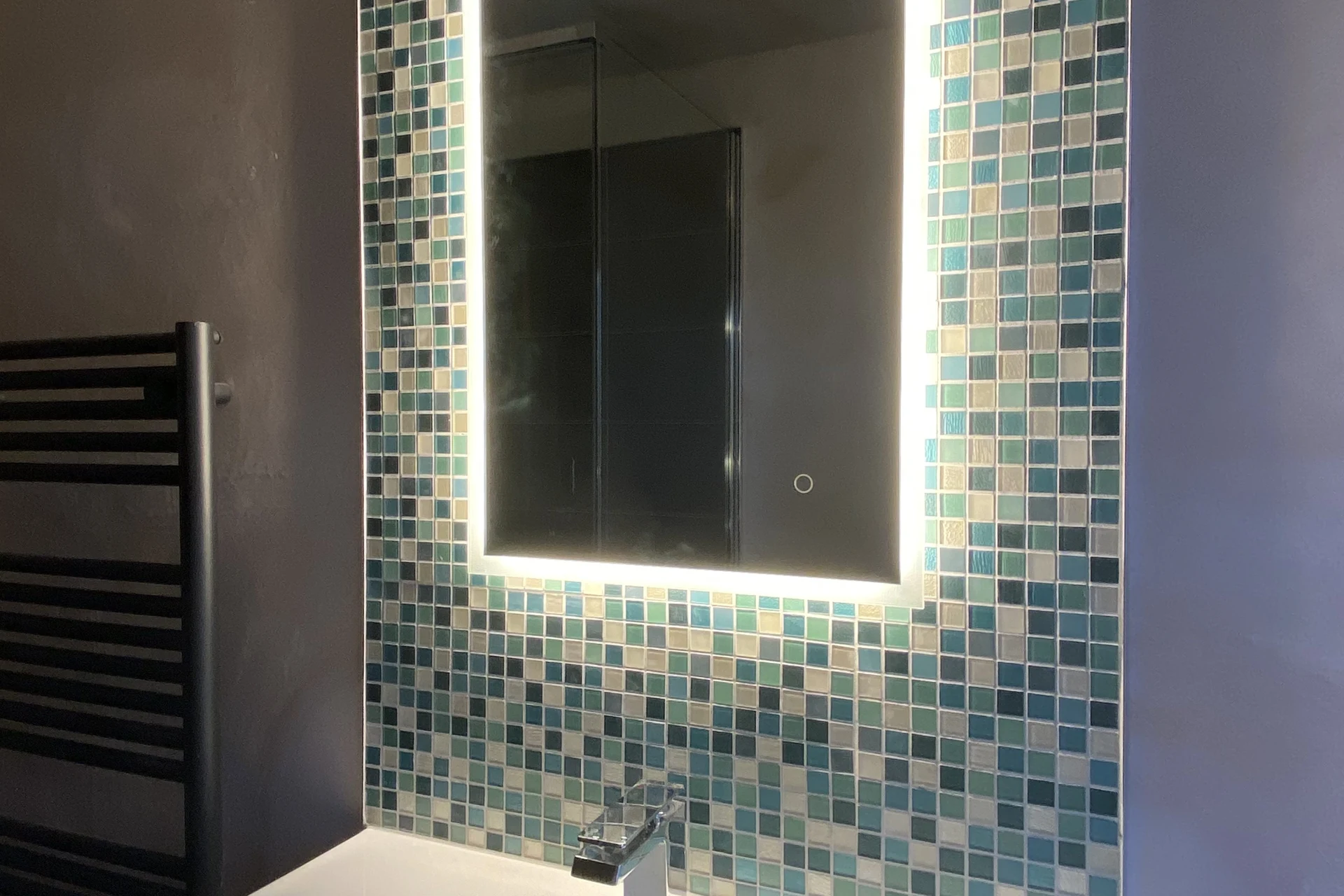
A room photograph shows a mirror above a desk, a window to the left and a chair tucked underneath. You can see those objects. You still need to establish whether the desk has space for your belongings, what the mirror shows when you stand back, and which curtains cover the window.
Start with the routine you want to carry out: lay down a small pouch, choose jewelry, check an outfit and pack everything away. Read the photographs against those actions. A beautiful room may suit you perfectly, but the useful question is whether the visible arrangement supports the way you get ready.
Turn your routine into three room requirements
Write a short list before comparing properties. For an illustrative two-night occasion trip, the requirements might be a mirror for checking the whole outfit, a dry surface for a pouch and accessories, and a window covering you can close while dressing.
Rank those needs. If a full outfit check matters most, make the mirror your first question. If you and a companion get ready at the same time, you may care more about a surface outside the bathroom. These are personal priorities, so adjust them rather than treating the list as a universal standard.
Keep the list separate from your overall accommodation decision. Location, access, sleeping arrangements and other trip requirements still need their own assessment. This exercise examines one part of the room.
For the clothing side of an occasion trip, planning occasionwear by outfit provides a useful companion task: decide what you will wear, then identify the space you need to prepare it.
Build a photo-evidence matrix
For each candidate room, make three columns: visible, unresolved and question. Record the room category and photograph reference so that details from different rooms do not become one imaginary layout.
| Feature | Visible in the photograph | Still unresolved | Question to ask |
|---|---|---|---|
| Mirror | A mirror hangs above the desk. | Its full extent and available standing distance. | Is there a mirror suitable for viewing a full outfit? |
| Surface | A desk holds a lamp and tray. | Clear space remaining for a small pouch. | Is there a dry surface with room for personal items? |
| Window | A window sits beside the desk. | How the room looks at your getting-ready time. | Can you share a wider view of this arrangement? |
| Curtains | Fabric panels appear beside the window. | Whether they close across it. | Do the curtains cover the full window when closed? |
Keep the visible column literal. “Desk beside window” is an observation. “Ideal place to do my makeup” is a judgment that needs more information and depends on your preferences.
Trace the space around the mirror and surface
Look for another angle showing the same mirror. Use recognizable furniture and fixtures to orient yourself, while leaving uncertain connections unresolved. If you cannot establish that two photographs show the same room layout, record them separately.
Imagine placing your pouch on the visible surface. Identify what already occupies it: a lamp, tray, kettle or decorative object. Do not count on being able to move those items. Ask about usable space if that would affect your choice.
For the mirror, look for its lower edge and the floor in front of it. A photograph that cuts off either area leaves your outfit-checking position uncertain. You do not need to estimate exact measurements from the image; a question about the intended use is more direct.
If you travel with a few accessories, plan one contained place for them. The idea behind a tray for the jewelry you are wearing translates into a room requirement: enough clear surface for your chosen small container.
Separate window position from lighting promises
Record the window’s position relative to the mirror without scoring the light as good or bad. For your purposes, a window in the frame confirms a visible window; it does not establish the light you will have at a particular hour.
Decide what you actually need to know. You might prefer a mirror near a window, or simply want enough room to sit at the desk. Ask about that arrangement directly instead of asking whether the room has “great natural light,” which leaves your preference unexplained.
Examine any visible window coverings in the same way. Note what you can see, then ask whether they close fully if that matters to your dressing routine. If you prefer a particular level of darkness for sleeping, raise that as a separate requirement rather than assuming the dressing-space answer covers it.
Send one focused message and record the answer
Use this message as a starting point: “I’m considering [room category] for [dates]. Could you confirm whether it has a mirror suitable for checking a full outfit, a dry surface with space for a small toiletries pouch, and curtains that close across the window? Please also confirm whether these features apply to that room category or depend on the assigned room.”
Replace the list with your priorities. If the desk is central to your plan, request a photograph showing it together with the mirror and window. A focused request makes the missing information clear without asking someone to assess your entire routine.
Add the reply beside your matrix, noting what was confirmed and any qualification. If a feature depends on room assignment, keep that uncertainty in your decision. Decide whether you can manage without it, need a different category, or should choose another property. Once you arrive, check the actual arrangement before unpacking your getting-ready items.
Choose a Gallery Visit Order Around One Timed Booking
Work backward from one fixed exhibition time to choose a realistic gallery order. A hypothetical itinerary separates priorities, optional rooms and a buffer,…
Pack Worn Clothes Separately Without Losing Track of What Is Still Wearable
One laundry bag cannot tell you which worn clothes are ready for another outing. Use three suitcase zones, a temporary drying space and…

Photograph a Place Through Details, Not Just Landmarks
Build a six-frame travel photo story around a wide view, texture, lettering, color, an everyday object and a closing scene. Use a simple…