Build a Visual Glossary From Five Details in One Museum Object
Use five details from one object to build a visual glossary you can revisit. Pair small drawings with plain descriptions, verified terms and catalogue references, while keeping unanswered questions clearly marked.
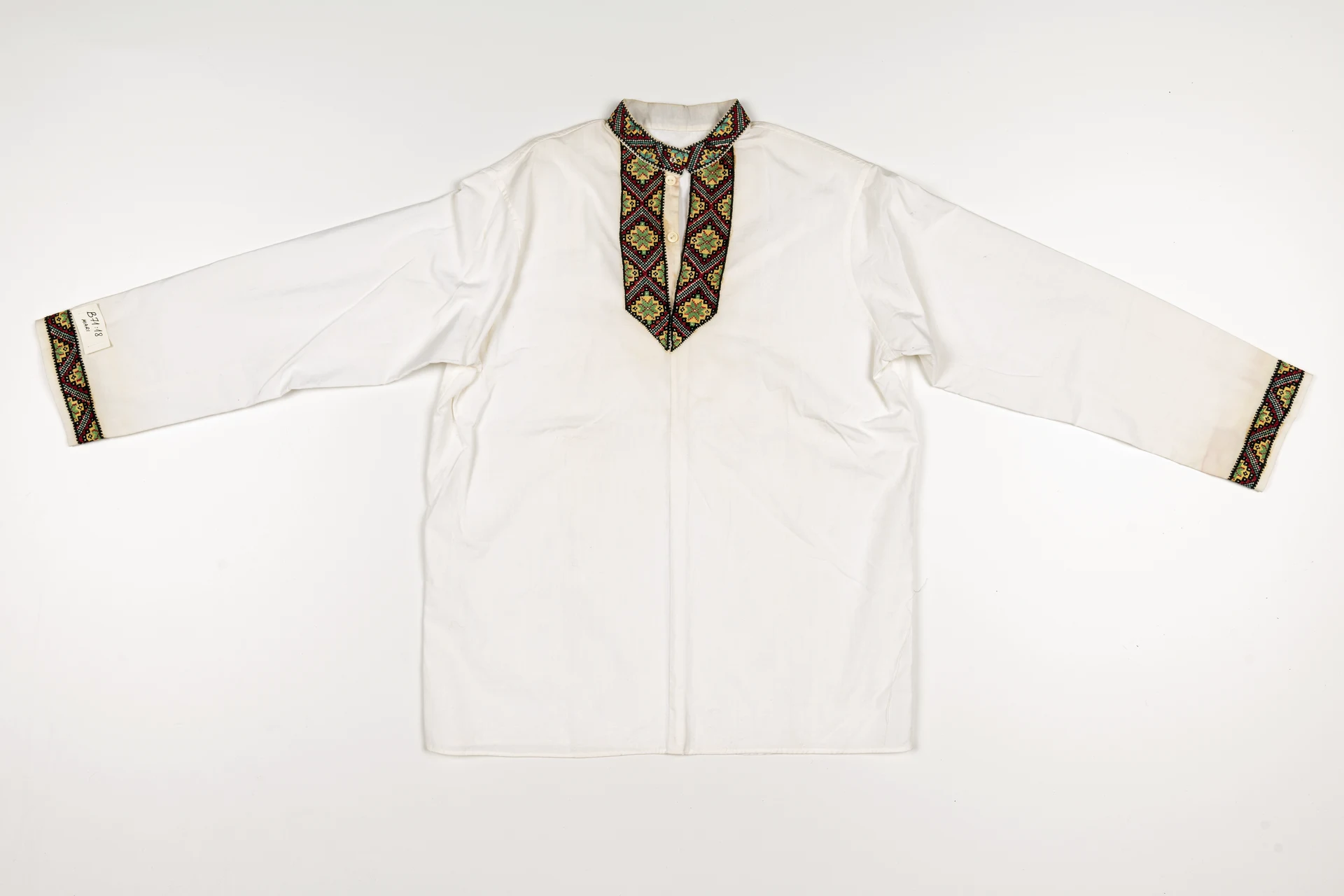

Number five details on a small drawing of one museum object. Beside each number, leave room for three things: what you see, a term you can verify and the reference that supports it. Your first entry might read: “1. Rounded collar ends; catalogue wording: ‘Peter Pan’ collar.”
The V&A collection listing includes a 1966 minidress by Mary Quant’s Ginger Group described as having a “Peter Pan” collar. That wording supplies a term attached to an identified object. It does not, by itself, define every feature of that collar or name the dress’s other details.
A useful visual glossary keeps those distinctions visible. Aim for five well-recorded entries, allowing some technical terms to remain unresolved.
Choose one object with five readable details
Look for an object you can examine clearly enough to distinguish several features. A garment might offer a neckline, an edge, a fastening, a repeated shape and a change in surface. Those are possible places to look, not promises about any particular garment.
Keep all five entries attached to the same object. This gives your vocabulary page a shared reference: each note points back to something you can locate in the main drawing or image.
Before planning an in-person study, check the object’s current location and access information. An online collection entry is not a guarantee that the object will be available in a gallery. The V&A collection listing includes statuses such as “On display,” “Not on display” and “View by appointment.”
If you work from a catalogue image, choose details that the image actually reveals. A distant photograph may support a note about a broad outline while leaving the stitching too small to identify.
Set up a page that separates seeing from naming
Put the object’s title, maker or designer as listed, date and catalogue reference at the top of the page. Include an identifying number when one is available. Copy names and qualifications carefully, including words such as “about” in a date.
Below that header, make a simple location drawing and mark five numbered points. These can be rough shapes. Their job is to tell you where each note belongs.
Give every entry the same fields:
- Detail: a small drawing or precise location.
- Plain description: what you can see without specialist vocabulary.
- Verified term: exact wording supported by the object’s label or catalogue.
- Reference: where that wording appears.
- Open question: anything you still need to establish.
For “reference,” record enough to return to the information: the catalogue entry title and address, or the object identifier and gallery label location. A note that says only “museum website” is difficult to retrace.
Use five entries without forcing five technical terms
Imagine studying a garment whose image shows a rounded collar, a repeated flower-like shape, a visible edge, a fastening and a broad lower outline. The following is an illustrative notebook layout. Only the collar wording is tied to the named Quant listing; the remaining rows demonstrate how to leave terminology open.
| Entry | Plain description | Term and reference status |
|---|---|---|
| 1. Collar | Rounded ends beside the neck opening | “Peter Pan” collar appears in the V&A listing for the 1966 Ginger Group minidress |
| 2. Repeated shape | A small flower-like shape repeated across an area | Descriptive observation; technique unverified |
| 3. Edge | A narrow line following the visible boundary | Descriptive observation; construction unverified |
| 4. Fastening | A small form beside an opening | Exact fastening type unresolved |
| 5. Lower outline | The sides appear to widen toward the bottom | Descriptive observation; silhouette term unresolved |
Do not copy the hypothetical features into a record of the Quant dress unless you can see them on that object. The layout demonstrates the distinction between an observation and a supported name.
Verify terms at the level the record supports
The V&A collection search offers fields including title or object type, artist or maker, materials or techniques, and accession number. Use the identifying information you have to locate the relevant record, then check whether its wording addresses your particular detail.
A material named for an entire object does not necessarily identify every visible component. Likewise, a description of a decorative shape may leave its making technique unspecified. Keep the scope of your note as narrow as the wording allows.
When you find a term, add a plain-English explanation only as far as you can support it. You can write a visual location note—“the collar at the neck opening”—without pretending to have established a complete technical definition.
If this kind of close looking makes you want guided tuition, consider the practical choices in a gallery class or fashion workshop.
Test whether the page works without the object
Cover the object image and read one entry. Can you tell which feature it describes? Uncover the image and locate that feature using your numbered drawing. If you cannot, improve the location note before adding more terminology.
Then cover the verified-term field. Describe the feature aloud in ordinary language, reveal the term and check the reference. This is a self-directed review exercise; there is no required speed or score.
Finish by choosing one unresolved question to pursue. Leave the other gaps clearly marked. Five entries can hold two verified terms and three careful observations: the page remains useful because it shows exactly what you know and where to look next.
Sources and editorial notes

Build an Occasionwear Reference Folder From Your Own Photos
Turn a handful of event photos into a useful dressing reference. Record venue, invitation wording and combinations you actually wore, then add the…
What a Fashion Plate Can—and Cannot—Tell You About Clothing
A drawn sleeve can reveal a silhouette without explaining its construction. Use a simple evidence table to separate visible details, printed descriptions and…
Keep a Motif Source Notebook Instead of Saving Unlabelled Inspiration
Keep a decorative motif connected to its object, maker attribution and collection record. This notebook template separates source details, visible features and personal…