Why Makeup Colors Look Different in Photos: Make a More Consistent Comparison
Before judging two makeup photos, check how each was made. A repeatable setup and short comparison log help you avoid attributing every visible difference to the makeup itself.
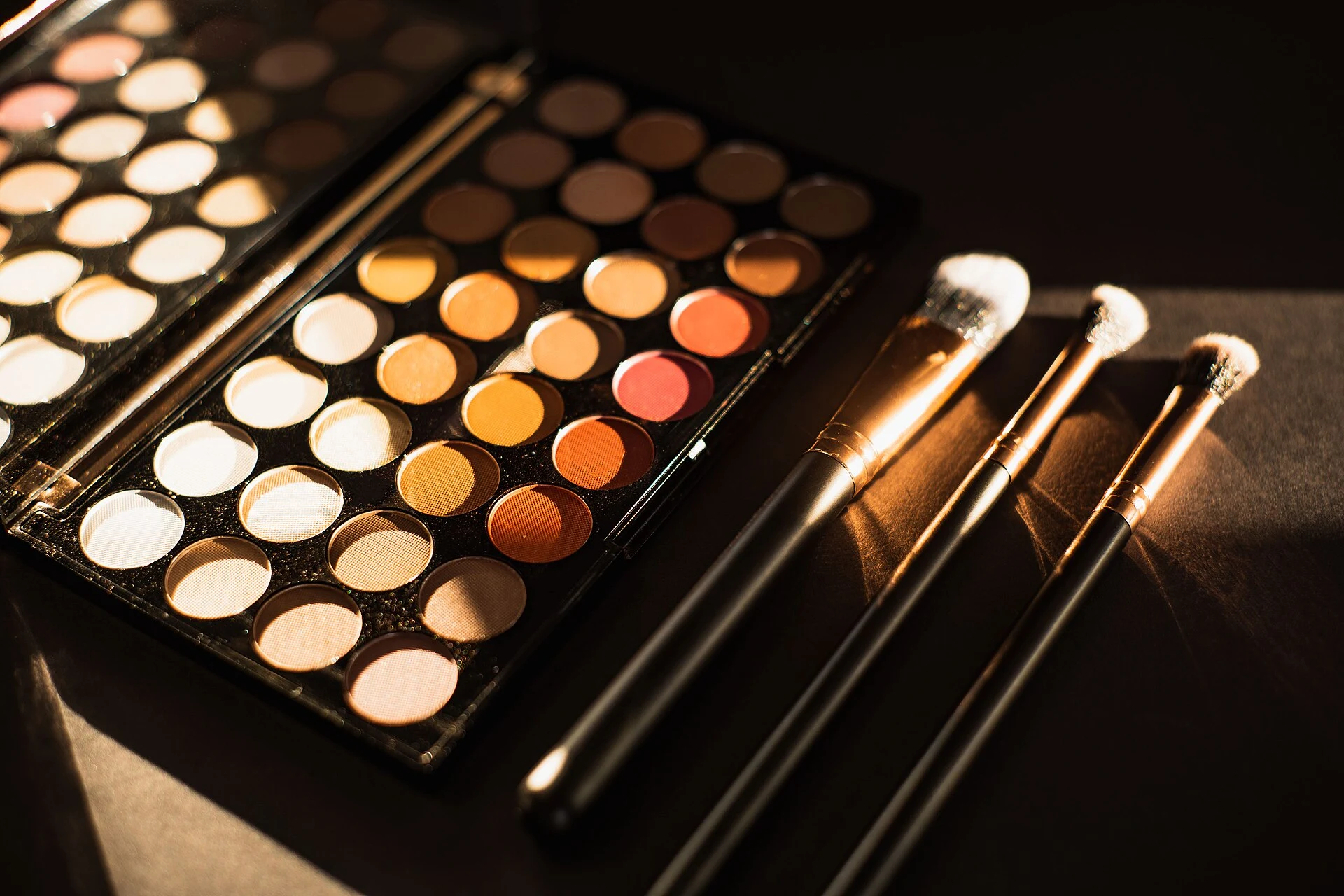

Two photos sit beside each other: one taken beside a window, the other across the room at night. The lip color appears different. Before deciding that the makeup changed, label the pictures with where, when and how you took them. They are not yet a useful same-conditions comparison.
You do not need to turn a dressing table into a photography studio. You need a small record of the setup and a rule: do not attribute a difference to the makeup when you also changed the photograph. The method below is a practical documentation exercise, not a way to certify an exact shade match.
Ask what the pictures actually let you compare
Start with a narrow question. “Which of these two looks do I prefer in my usual window-side photo?” is manageable. “Which photograph proves the true color?” asks more of a casual phone record than this exercise can establish.
Make a list of what changed between the pictures: location, light direction, camera mode, distance, framing, nearby colors and the makeup itself. If several entries changed, mark the pair as a general visual reference rather than a direct color comparison.
This does not diagnose the technical cause of a difference. It prevents a premature conclusion. A photo can still be useful as an outfit memory or a record of a finished look even when it cannot isolate the makeup change you hoped to assess.
Keep your judgment equally narrow. Write “looks deeper in this image” rather than “is a deeper shade.” The first records your observation; the second turns that observation into a claim the pair may not support.
Choose one setup you can find again
Pick a convenient location and describe it precisely: “seated at the dressing table, facing the window,” for example. Record which way your face or compact points relative to the main light. If you use daylight, note the time and a plain description of the conditions rather than assuming every window-side session is equivalent.
Use the same phone, camera and visible camera mode for the comparison. Note whether a filter or appearance effect is selected. If you cannot tell whether a setting changed, record that uncertainty instead of silently treating the images as equivalent.
Choose a repeatable framing cue. You might keep the same amount of shoulder visible in a face photograph, or place a compact on a marked spot on the table. The cue is simply an aid to repetition; it is not a calibration system.
Keep the immediate surroundings similar where practical, including the background and clothing visible in the frame. You do not have to buy a special backdrop. Choose an uncluttered setup you can reuse, then describe it honestly.
Keep a log short enough to use
Save this checklist beside your album. Fill it out for each session, not from memory several weeks later.
- Image ID and date: a filename or label you can find again.
- Makeup recorded: the product identifier you know and the look you intended.
- Location and direction: where you were and which way you faced.
- Light: the light in use, approximate time and any obvious change.
- Camera: device, front or rear camera, mode and visible effects.
- Framing and surroundings: distance cue, background and visible clothing.
- Changes or unknowns: anything that prevents a close comparison.
Record edits too. Keep an original if you make a cropped or adjusted copy, and label the copy. Avoid comparing an edited version with an unedited one while forgetting which is which.
For a broader reference collection, the same organizational discipline applies to photographing a clothing wishlist clearly: make the purpose of each image explicit, then retain the details needed to use it.
Work through an imperfect comparison
Imagine you want to compare two lip looks. These entries are illustrative; they are not results from a photography test.
| Image | Recorded setup | Use in this exercise |
|---|---|---|
| A: first look | Window-facing seat; front camera; plain top; no selected filter | Starting reference |
| B: second look | Same seat and framing; same camera mode; daylight noted as changed | Qualified comparison, with light difference flagged |
| C: second look later | Different room; evening lamp; closer framing | Separate setting reference, not a direct substitute for B |
Your note might read: “I prefer the softer-looking border in B, but I cannot attribute the apparent color difference solely to the makeup.” That is a useful decision and an honest limit in the same sentence.
If color comparison remains important, repeat the pair in one session with the setup held as steady as practical. Do not erase the earlier uncertainty; add the new comparison as another record.
Stop short of declaring an exact match
Even a carefully repeated phone setup is not proof of an exact shade match. This log does not verify lighting, camera processing or the display on which someone else views the image. It also does not make a swatch, a compact and a finished lip interchangeable references.
Use the album for bounded decisions: remembering a combination, choosing a preferred photographed look or deciding what deserves another comparison. When sharing an image, include the setup note and avoid promising that the recipient will see an exact reproduction.
Your next step is small: choose one location, save the checklist and label the next pair before judging it. If the setup changed, say so. A qualified comparison is more useful than a confident conclusion built on an undocumented photograph.
Arrange a Makeup Bag So You Can See Every Product You Use
Arrange your everyday makeup around the order you use it, then test the layout with the bag open. A worked example shows how…
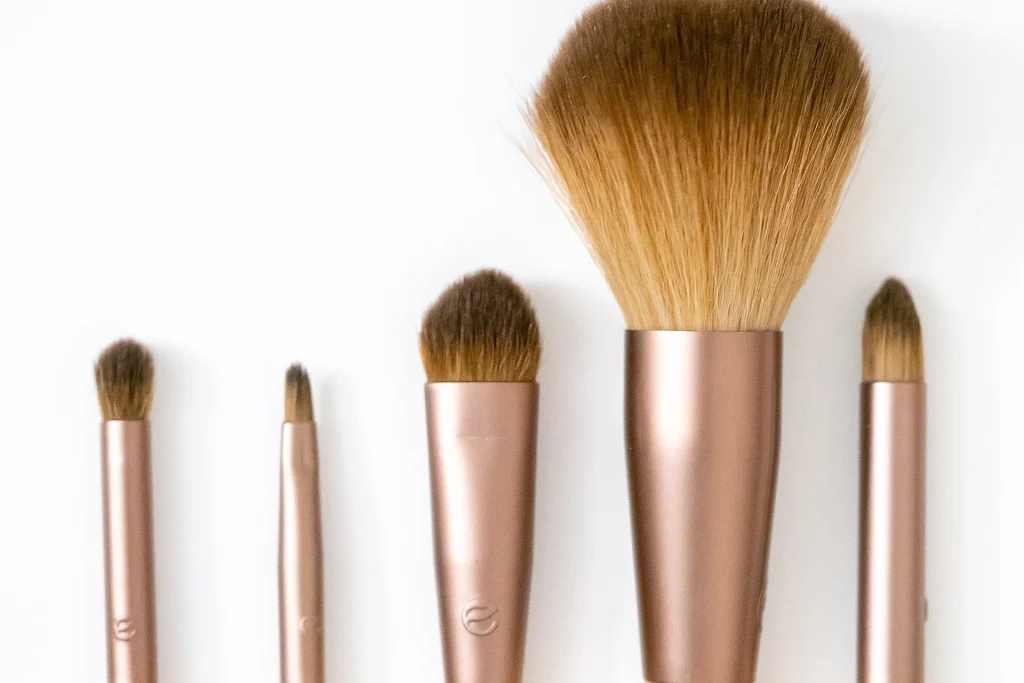
Compare Makeup Brush Shapes by the Mark They Make
Give the brushes you already own a simple comparison sheet. Three mark-making exercises help you describe width, direction and edge softness without treating…
Sheer, Creamy or Glossy? Describe the Lip Finish You Want Before Shopping
A color name leaves much of a lip look undecided. Build a more useful brief by separating visible coverage, surface shine and edge…