Try a One-Object Museum Visit When You Have Little Time
Give a short museum visit one clear focus: a single object, time to look before reading, and a return look. This twenty-minute plan ends with a small, specific response you can keep.
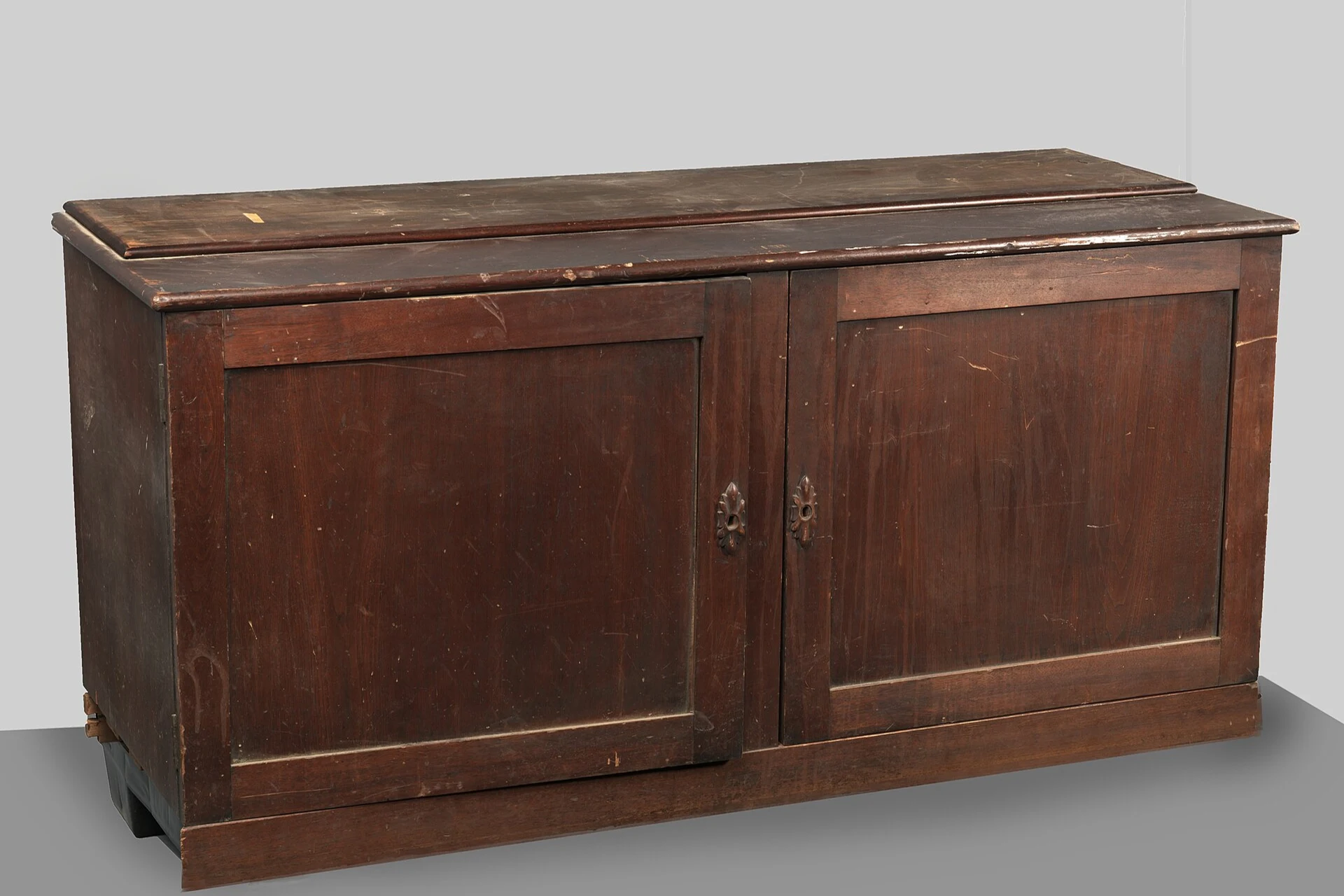

Choose one object. Spend a few minutes looking before you read its label, then look again with one new piece of information. Before leaving, write three sentences about what held your attention.
That is enough of a plan for a short museum visit. You can leave with a particular shape, construction detail or unanswered question in mind, without turning the remaining rooms into unfinished business. The twenty-minute schedule below is a suggested exercise; adjust it to your pace and the space available.
Choose an object you can actually spend time with
A dress with an unusual sleeve, a patterned plate or a sculpture with an awkward-looking pose can all give you a starting point. Choose something that raises a small question: how does that shape balance, where does that pattern stop, or what draws your eye first?
Practical access matters. Pick an object you can see comfortably without blocking a doorway or standing in a queue. A famous piece surrounded by visitors may be a poor choice for this particular visit. Something nearby that you can examine at your own pace may work better.
If you choose in advance, check the museum’s current visitor information and the object’s availability. The V&A collections listings, for example, distinguish between objects marked “On display,” “Not on display” and “View by appointment.” Finding an object online does not establish that you can see it during an ordinary gallery visit.
Keep a backup as simple as “another object in the same accessible gallery.” You do not need a second itinerary.
Give the twenty minutes separate jobs
Start this sample schedule once you reach your chosen object. Allow additional time for entry, finding the gallery and leaving the building. If twenty minutes is your entire available window, shorten the looking exercise accordingly.
| Time | Action | Useful prompt |
|---|---|---|
| Minutes 0–3 | Choose a comfortable viewing position. | What catches my eye immediately? |
| Minutes 3–8 | Look without reading the label. | Which three details can I describe? |
| Minutes 8–12 | Read the label and available interpretation. | What information changes my first impression? |
| Minutes 12–17 | Return your attention to the object. | Where can I see the detail I just read about? |
| Minutes 17–20 | Write a short response. | What will I remember, and what remains unclear? |
You do not need to watch the clock throughout. Use the sequence as a loose guide, moving on when you have something specific to take into the next stage. If a crowded gallery makes writing awkward, save your final notes until you reach a suitable seat or leave.
Look for details you can put into words
Begin with location and shape. “A narrow band runs around the rim” gives you more to work with than “beautiful decoration.” On a garment, you might describe the neckline, sleeve outline, visible fastening or relationship between the upper and lower sections.
Keep observation separate from interpretation. “The surface looks glossy from here” describes your view. Naming a material requires more information. Likewise, a fold that resembles a pocket may turn out to be something else when you read the label or look from another permitted position.
Try three prompts: Where does my eye stop? Which detail repeats? What can I not see clearly? You can notice the reverse is hidden or the lighting makes a colour difficult to judge without trying to resolve either limitation.
Move only where visitors are permitted, leave room for others and follow gallery instructions. This exercise works from a single position; seeing every side is unnecessary.
Read the label, then test your first impression
Choose one label detail to carry back to the object. It might be a title, a named maker, a date or a stated material. You are looking for a connection you can examine, rather than information to memorise.
Imagine an illustrative visit centred on a dress. Your first note says, “The broad skirt makes the upper section seem small.” After reading, you return to examine where that change in width begins. You may now notice a seam, layered fabric or a feature you overlooked. Record only what you can actually distinguish.
The second look can also leave your original observation unchanged. A label may answer who made an object while leaving your question about its shape open. Keep that question. There is no requirement to produce a finished interpretation.
Leave with a three-sentence object response
Use this small template in a notebook or phone:
- I noticed: one visible detail, described precisely.
- I learned: one piece of information attributed to the label.
- I am still wondering: one question you have not answered.
An illustrative response might read: “I noticed that the pattern becomes crowded near the edge. The label identified the maker, whose name I recorded beside my sketch. I am still wondering how the pattern continues around the back.” Add the object’s title or identifying number if available, so you can find it again.
If you want to make this kind of looking part of a longer activity, the guide to choosing a gallery class or fashion workshop offers a related next step. For today, stop when your three sentences are complete. Leave with the object you chose still clear in your mind.
Sources and editorial notes
Build an Occasionwear Reference Folder From Your Own Photos
Turn a handful of event photos into a useful dressing reference. Record venue, invitation wording and combinations you actually wore, then add the…
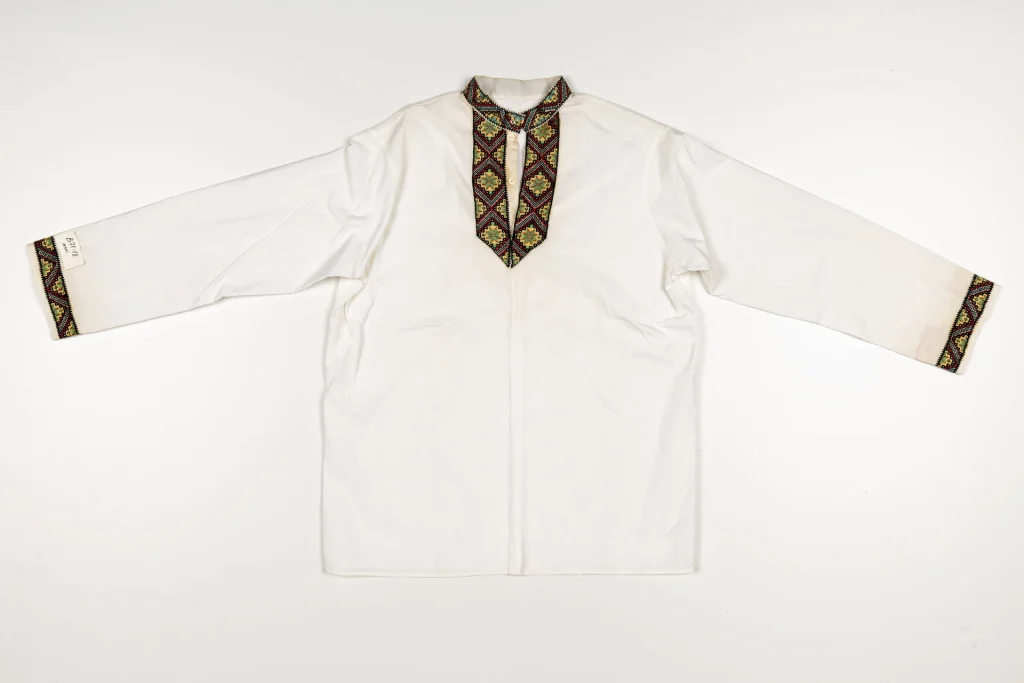
Build a Visual Glossary From Five Details in One Museum Object
Use five details from one object to build a visual glossary you can revisit. Pair small drawings with plain descriptions, verified terms and…
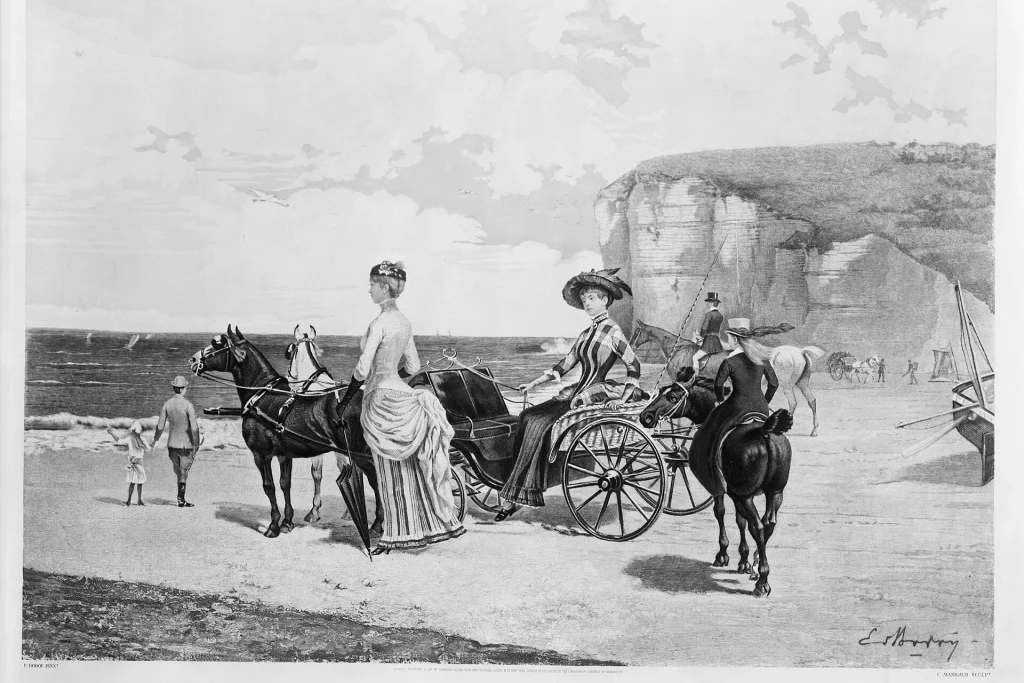
What a Fashion Plate Can—and Cannot—Tell You About Clothing
A drawn sleeve can reveal a silhouette without explaining its construction. Use a simple evidence table to separate visible details, printed descriptions and…