Create a Makeup Shade Record That Does Not Depend on Memory
Build a personal shade record with exact label details, separate finish notes and photographs you can retrieve. This simple card keeps identification distinct from colour impressions and makes uncertain entries easy to spot.
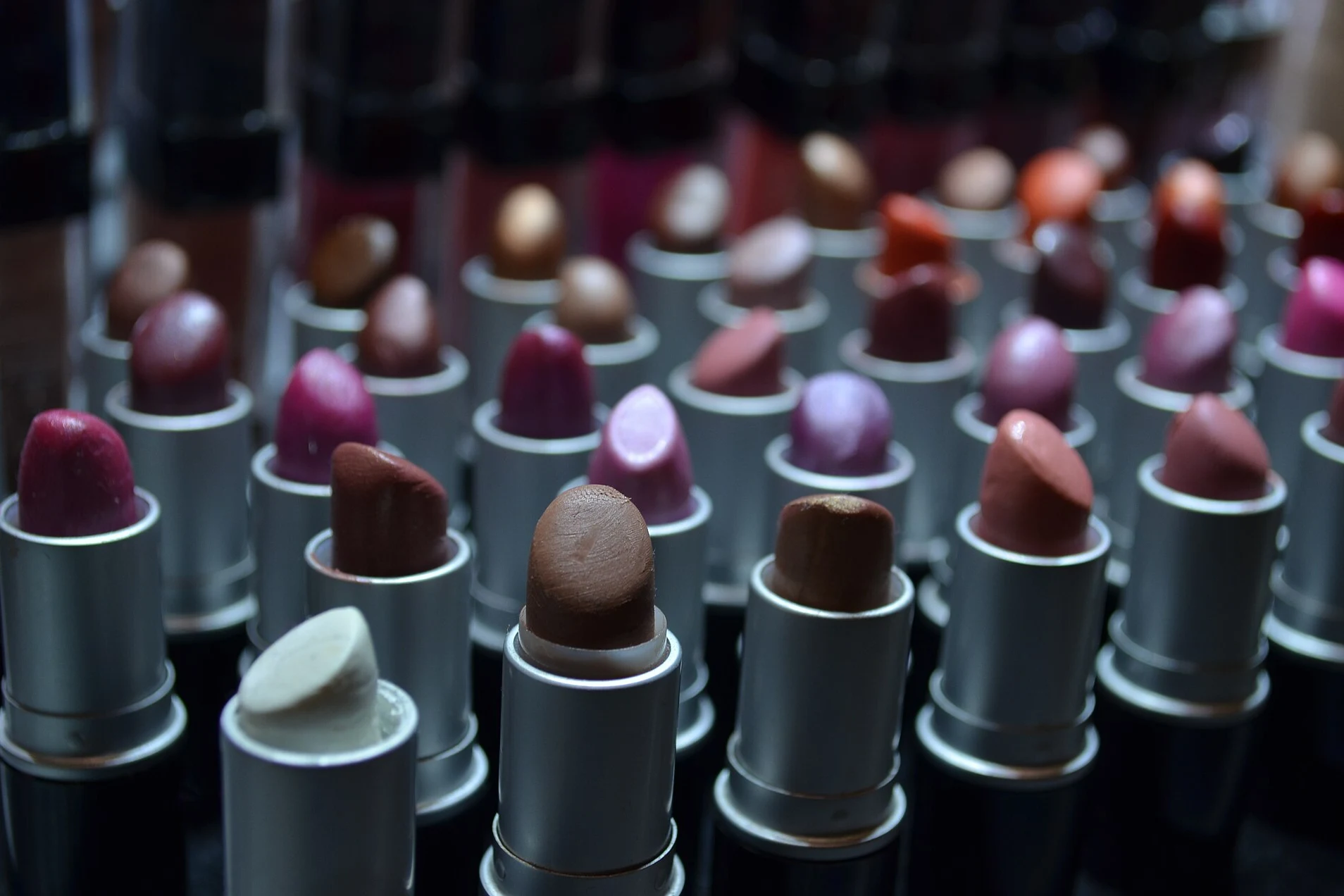

“The rose lipstick in the square case” is a memory cue. A brand, range and printed shade identifier give you something specific to look up. Build your makeup shade record around the label, then add photographs and personal colour notes as supporting details.
A useful entry can be a single phone note, a row in a spreadsheet or a notebook card. Choose the format you will actually open while checking your collection. The aim is not a polished catalogue; it is an answer to “Which exact one do I already own?”
Copy the identifier before describing the colour
Start with one product you reach for often. Copy the brand, product range and shade wording as printed, including any number, letters or punctuation. Keep these as separate fields so a shade name does not get mistaken for the range name.
If the carton has useful identifying information that the container does not, record it before discarding the packaging. Preserve the wording rather than shortening it into a nickname. You can add your nickname separately if it helps you recognise the item.
Do not fill a worn or missing label from memory. Write “unconfirmed” beside the missing field. If you have an order record, you can note the details it lists and identify that record as their origin; keep any unresolved mismatch visible.
The same identification-first approach appears in this guide to finding the exact perfume you own. For your makeup card, the important distinction is between information copied from the item and an impression you have added yourself.
Use a card with separate facts and personal notes
Copy this blank template into your chosen system. It deliberately separates printed finish wording from your own description, so “soft sheen to me” does not later become a supposed product name.
| Field | What to enter |
|---|---|
| Brand | Exact wording shown on the product or packaging |
| Range or product name | Full printed name, separate from the shade |
| Printed shade identifier | Shade name, number or letter code exactly as shown |
| Printed finish wording | Copy the wording, or enter “not found” |
| My finish and colour notes | A clearly personal description, not a replacement identifier |
| Label photograph | Attached image or an exact file reference |
| Supporting photograph | Optional container or swatch image, labelled as a visual note |
| Status and record date | For example: current, finished or unconfirmed; date recorded |
For an illustrative entry—not a real product recommendation—the identifying fields might read “Example Brand / Example Lip Colour / 07 Rose.” The personal note could say “my muted pink option; I describe the finish as a soft sheen.” If no finish wording appears on the item, leave that printed field as “not found.”
That small separation lets you search for the exact identifier without treating your own description as official wording.
Take photographs that answer different questions
Give the label photograph one job: make the text readable. Place the container so the relevant label faces the camera, take the image and enlarge it to check that you can read the identifier. If you cannot, retake it before putting the product away.
A second photograph can show which container belongs to the label. For several similar-looking items, photograph them one at a time or keep each label image directly beside its corresponding container image in the record.
A swatch photograph is optional. Treat it as a personal visual reminder, not a dependable colour match for a future purchase. Do not use an apparent match between two photographs to overwrite different printed identifiers or decide that two products are identical.
If you include swatches, give each one a written identifier and keep that text in the same image or entry. A page of unnamed colours recreates the memory problem in another format. The record should remain useful even if you ignore every swatch.
Make the entry easy to retrieve while shopping
Name digital entries consistently. One workable pattern is “Brand — Range — Shade identifier.” In a notebook, use the same sequence as the first line and keep an index if the collection spans several pages.
A useful retrieval test is to put the product away, then locate its shade details using only your record. Can you find the exact identifier? Can you distinguish the label photograph from a personal colour note? If either step needs guesswork, fix the entry now.
When considering a replacement, compare the recorded fields with the details on the item you are considering. Do not treat a familiar-looking case or similar name as confirmation of a match. If the range or identifier differs, record that difference instead of silently editing the old entry.
Keep history without turning it into clutter
When you finish an item, change its status rather than deleting the card. “Finished; would consider again” and “finished; not on my shortlist” are personal decisions worth separating from shade identification.
For a replacement, add a new dated entry or purchase note only after checking its details. Keep an older label photograph if the new item differs, so you can see what changed in your own records without guessing why.
You can also share a single confirmed card rather than your entire inventory. If you are choosing for someone else and do not have that confirmation, use the shade-unknown makeup gift guide rather than treating a photograph as an exact match.
Start with three frequently used products and complete their cards. An accurate small record is ready to use; a long list of guessed shade names still leaves you checking from memory.
Arrange a Makeup Bag So You Can See Every Product You Use
Arrange your everyday makeup around the order you use it, then test the layout with the bag open. A worked example shows how…
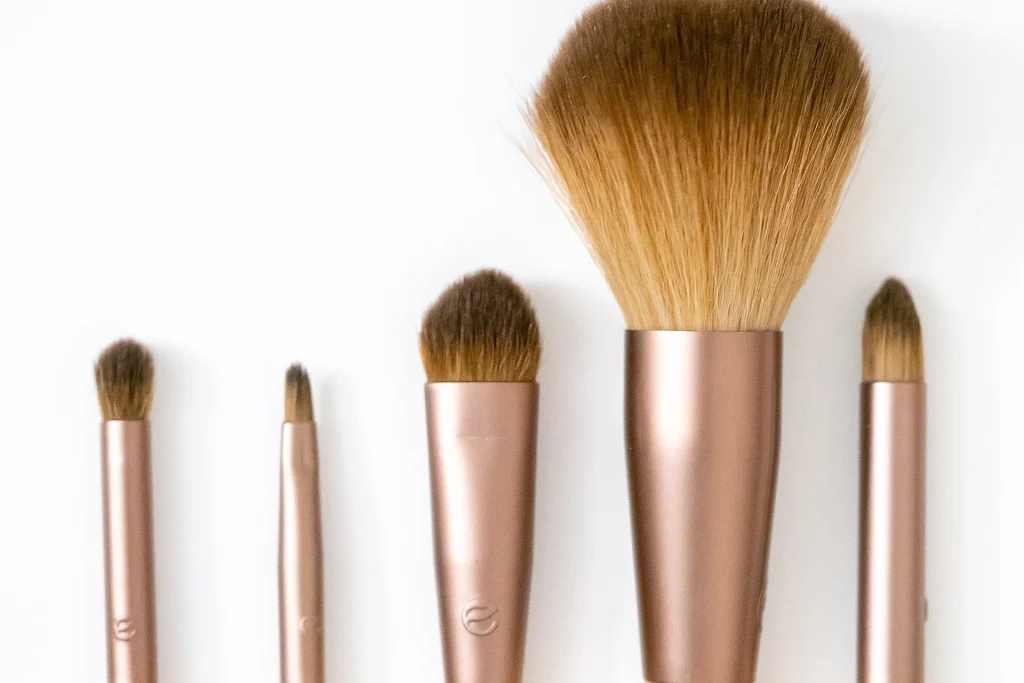
Compare Makeup Brush Shapes by the Mark They Make
Give the brushes you already own a simple comparison sheet. Three mark-making exercises help you describe width, direction and edge softness without treating…
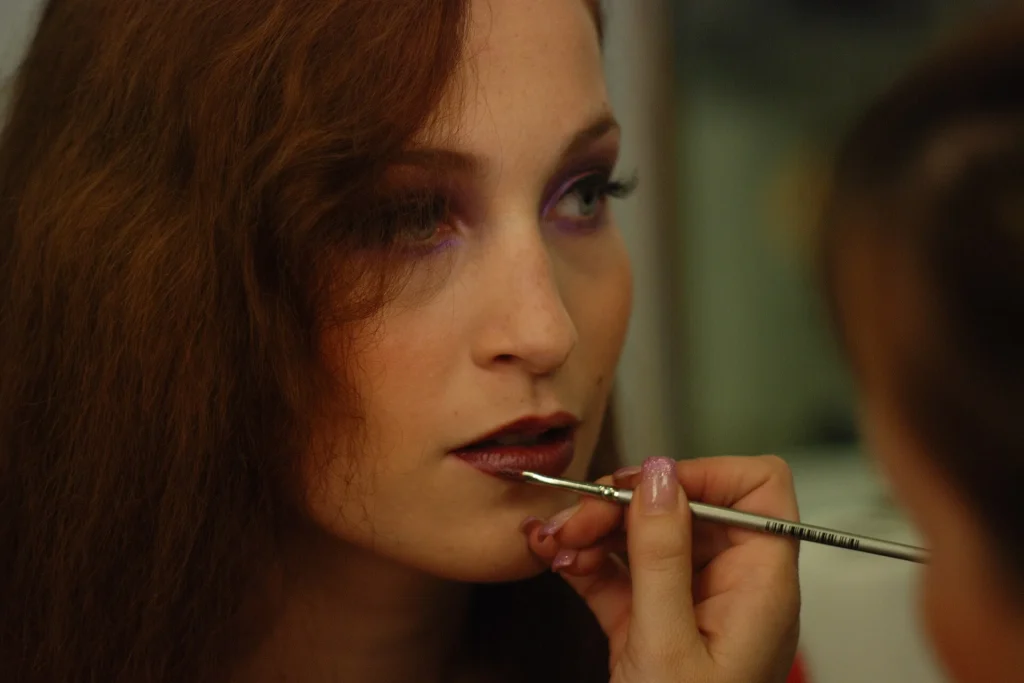
Sheer, Creamy or Glossy? Describe the Lip Finish You Want Before Shopping
A color name leaves much of a lip look undecided. Build a more useful brief by separating visible coverage, surface shine and edge…