Which Clothing Repair Should Come First? Rank Usefulness Before Appearance
A missing button, an uncertain jacket problem and a decorative snag need different decisions. Build a repair queue around actual wear, lost function and the next action you can confidently take.
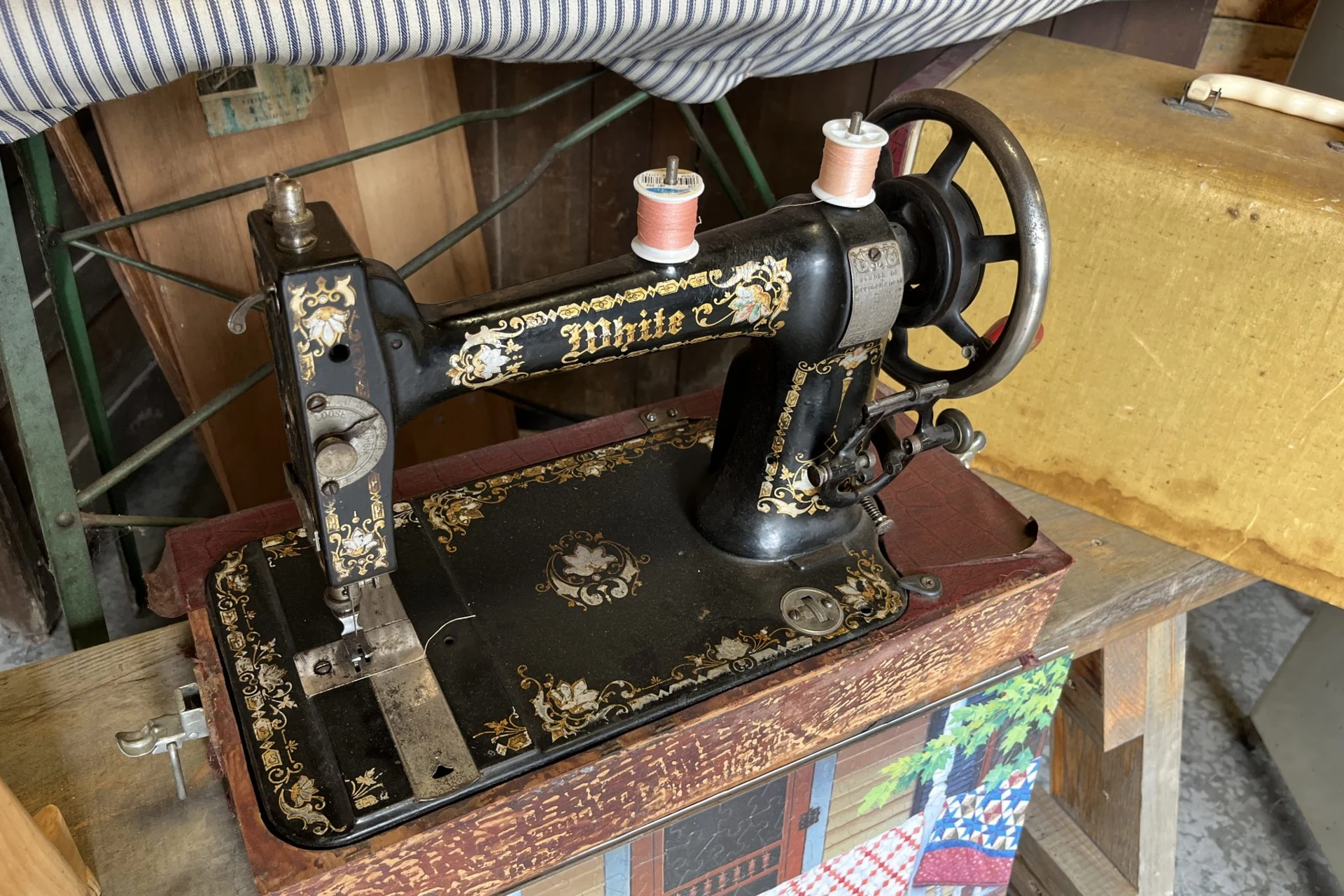
A work shirt is missing its fastening button, a rain jacket no longer sheds water as expected, and an evening skirt has a loose decorative trim. Which gets attention first? In this illustrative pile, the shirt comes first if you need it tomorrow and already know how to replace the button. The jacket gets a separate assessment task. The skirt can wait unless an occasion gives it a real deadline.
That order starts with what each garment could do for you again. Use the same approach to turn a basket of unfinished jobs into a short queue with a specific next action for every item.
Describe the missing function before naming the repair
Lay out the garments and write one sentence about each problem. Describe what you can observe: “front will not fasten,” “lining catches when I put it on,” or “trim hangs below the hem.” Avoid diagnosing a replacement zip or fabric treatment before you know what is needed.
Then record when you would actually wear the item. A coat used on most weekday journeys has a different place in your queue from trousers you keep for an imagined future outfit. Be honest about whether a successful repair would put the garment back into circulation.
Appearance still matters. If a visible fault stops you wearing an otherwise useful piece, record that as the obstacle. The distinction is between a change that restores use and one you would merely enjoy making someday.
Use four questions to set the order
For each item, ask how often you expect to wear it, what the fault prevents, whether you have the relevant skill, and what remains uncertain. These are decision prompts, rather than a scoring system with a supposedly correct numerical answer.
- Use: Is there a specific outing or ordinary routine waiting for this garment?
- Function: Does the problem prevent wearing, fastening or using it as intended?
- Skill: Have you successfully done this kind of task before?
- Uncertainty: Do you understand the material, construction and likely intervention?
Give an approaching use date priority when the next action is clear. Where uncertainty is high, make the first task smaller: inspect the label, find the exact garment details or request an assessment. An important garment can deserve attention first without being the first thing you attempt to repair yourself.
Keep sentimental importance in a separate note. It can justify making room for a project, but it does not automatically make the work suitable for your current skills.
Build a queue with three different routes
The following example assumes the owner can confidently replace an ordinary shirt button but has no experience repairing technical outerwear or a skirt lining. Your routes should reflect your own abilities.
| Garment and obstacle | Expected use | Next action | Route |
|---|---|---|---|
| Work shirt: missing fastening button | Tomorrow | Locate the matching spare and schedule the familiar task | Simple task |
| Rain jacket: changed water beading | Regular outdoor use | Identify the garment and read its care instructions | Assessment |
| Skirt: lining catches during dressing | Event next month | Ask a repair professional to assess the cause | Professional assessment |
| Evening top: loose decorative trim | No planned use | Reconsider when planning an outfit | Postpone |
Copy those four columns into a notebook. Add an owner for each action if clothing belongs to several people in the household. “Ask about the lining” needs someone to make the enquiry; otherwise it remains another description of an unfinished job.
Separate technical care from repair diagnosis
A change in an outerwear fabric’s surface behaviour needs care-specific investigation. GORE-TEX describes durable water repellent, or DWR, as a treatment that helps water bead and roll off the outer fabric. Changed beading alone is not enough information for choosing a repair.
For GORE-TEX outerwear, read the garment manufacturer’s instructions as well as the relevant product care guidance. Persistent-beading products such as GORE-TEX SHAKEDRY have different requirements: their guidance excludes tumble drying, ironing and applying DWR. Do not transfer a routine from another jacket simply because both are outdoor garments.
Arc’teryx likewise separates its home-care guidance by product type, including technical outerwear, down and synthetic insulation. Its advice for its own gear is a reason to identify the item precisely, not a care recipe for everything in your basket. If identification or condition remains unclear, leave treatment out of the task description and seek an appropriate assessment.
Finish one action and give postponed items a date
Choose a repair session that fits the time you actually have. Complete one familiar task, then check whether the garment is ready for its intended use. An item should leave the queue because its obstacle is resolved, rather than because you spent time on it.
When an assessment points toward alterations, use the alterations appointment checklist to prepare for that separate step. Record any information you still need before agreeing to work, including the proposed result and whether it suits your plans.
For postponed pieces, choose a review date or a concrete trigger, such as planning next month’s event outfit. At that review, ask whether you still want to wear the garment. You can keep a sentimental project without assigning it an imaginary deadline. End the session with one completed action and a visible next step for the remaining priority item.
Sources and editorial notes
How to Review an Uncomfortable Outfit After Wearing It
An outfit that felt wrong all day deserves a closer look. Use a short activity timeline to separate movement, temperature, carrying needs and…
How to Turn a Style Moodboard Into Outfits You Own
Translate saved outfit images into silhouette, texture, color relationships and styling gestures. A practical feature table helps you build a personal interpretation with…
Make a Wardrobe Inventory That Records Use, Not Just Ownership
A useful wardrobe inventory records roles, wears and reasons clothes stay home. Try a four-week ledger with a worked example that separates useful…