Check an Outfit in a Full-Length Mirror From Useful Angles
Use front, side and seated views to answer specific outfit questions. This practical mirror routine helps you compare layers, hems and accessories, then make one useful change without chasing ideal body proportions.
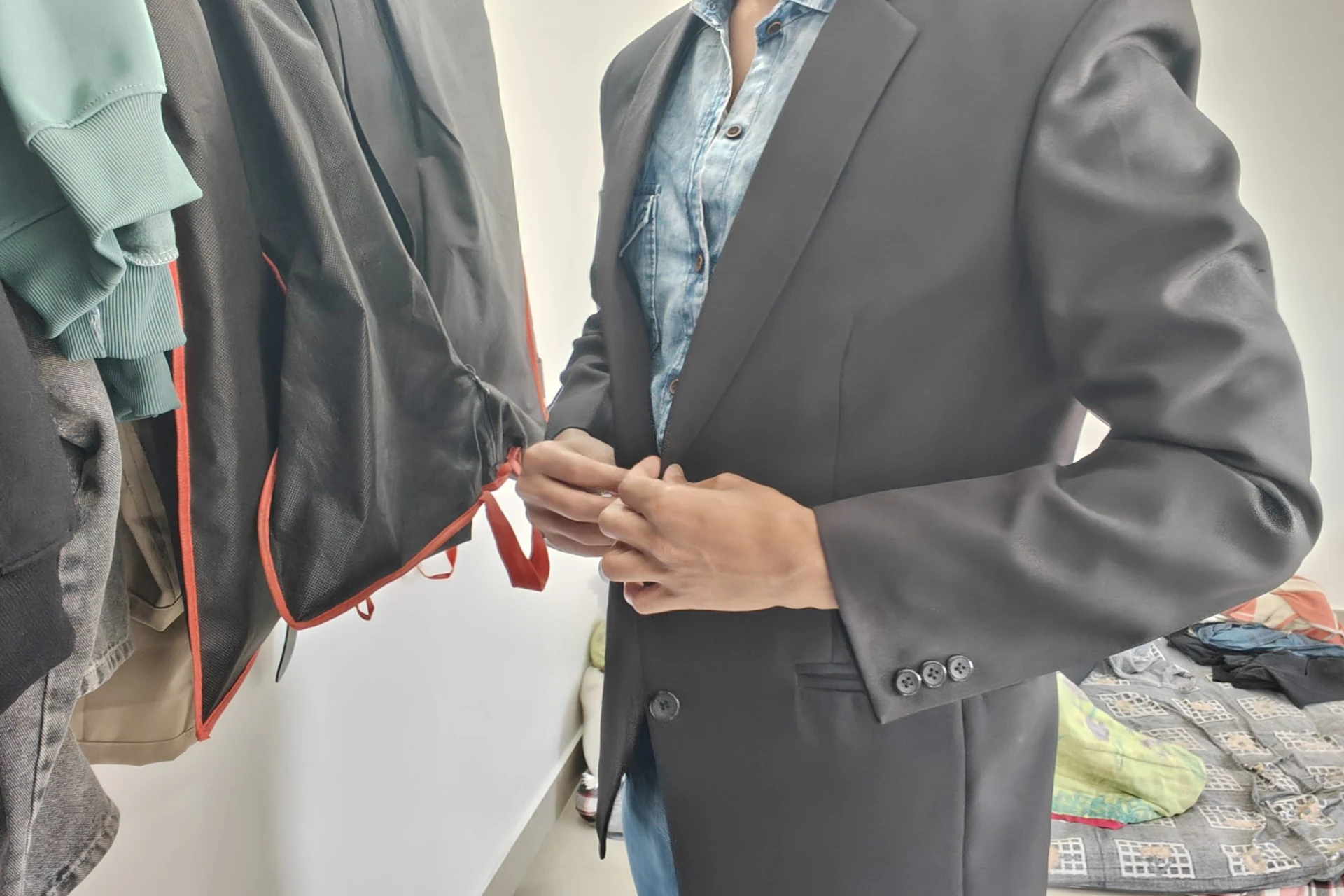
Put on the trousers, top and shoes you intend to wear. Stand facing a full-length mirror, turn sideways, then sit in a nearby chair. Give each position one question: do you like the arrangement, does anything catch or bunch, and can you sit as you intend?
That is the basis of this outfit check. The aim is to make a clothing decision you can act on: change a layer, move a bag strap, choose another shoe or leave the outfit alone. Your body does not need to meet a set of proportions for the exercise to work.
Give the mirror one decision to resolve
Before looking, finish this sentence: “I need to decide whether…” Perhaps the jacket should stay open, the shirt needs tucking, or the bag works with the coat. Choose one question rather than inspecting every detail at once.
For an illustrative example, imagine wide trousers, a loose shirt, a short jacket and flat shoes. The question is whether to wear the shirt loose or partly tucked. Keep the trousers, jacket and shoes the same while comparing those two versions. Otherwise, you are deciding between several changes at once.
Use a mirror position that lets you see the outfit without lifting your chin, crouching or twisting. If the room is too small for a complete view, check upper and lower sections separately. Keep the mirror securely positioned and follow its installation instructions; reposition yourself rather than adjusting an unstable mirror.
Choose an ordinary standing posture. You are checking clothes you will wear while talking, waiting and walking, so there is little value in holding a pose you do not plan to maintain.
Use the front view to read the whole arrangement
Start with your arms relaxed. Look at the outfit as a group before concentrating on a hem or fastening. Decide which element you want to notice first: perhaps the shirt collar, a necklace or the trousers’ shape. This is a preference, not a rule about where attention should go.
Next, check the meeting points between pieces. Look where the jacket ends over the shirt, where the trouser hem meets the shoe, and where a bag sits against a pocket or fastening. Ask whether you like those overlaps and whether they interfere with anything you need to use.
In the example outfit, you might prefer the partly tucked shirt because more of the trouser front is visible. Someone else might choose the loose version because they like the uninterrupted shirt shape. Both are complete decisions; neither needs a claim about making a body look taller or smaller.
If accessories are part of the question, add them now. Use the actual bag and outer layer you expect to carry. An outfit assembled for an evening out should be checked with its practical pieces present.
Turn sideways, then try an ordinary movement
Turn your whole body to one side and let your arms settle. Check how the layers sit together from this angle. A shirt fold visible below a jacket may be something you like, something you want to rearrange, or something you do not care about.
Repeat on the other side when the outfit has an uneven detail, such as a shoulder bag, side fastening or asymmetric hem. Do not assume one side answers a question about the other.
Then take a few normal steps in the available space. Reach as you would for your bag, put a hand in a pocket and open or close the jacket. Notice whether you keep stopping to rearrange the same piece. That observation gives you a specific next step: try another tuck, adjust the strap or change the layer.
A rear view is optional. If you cannot obtain one comfortably with the mirrors already available, skip it. You do not need to contort yourself to complete a checklist.
Sit down with the outfit you will actually wear
Use a stable chair and sit as you normally would. You can notice comfort and access even when the seated outfit is not fully visible in the mirror. Check whether you can reach a pocket, whether the jacket feels comfortable fastened and whether the hem sits where you want it.
Try standing up again without first arranging every layer. Then look at what needs attention. If you are happy to smooth a skirt after sitting, record that as an acceptable habit. If repeatedly fixing a shirt would annoy you during dinner, try a different version.
For a dinner outfit, spend more attention on sitting. For a look built around a coat, include the coat. Let the planned activity determine which checks deserve your time.
Keep a short decision card and stop when it is answered
Use this card for the shirt-and-trousers example, replacing the observations with your own:
- Decision: loose shirt or partial tuck?
- Front: I prefer seeing more of the trouser front.
- Side: the tucked version leaves a fold I am happy with.
- Seated: the shirt stays comfortable; I can reach my pockets.
- Change: keep the partial tuck and leave the other pieces alone.
If you are comparing several outfits for an event, use the same questions for each. The three-outfit holiday capsule offers a related starting point for working from one base.
A mirror check cannot tell you how clothing will feel throughout an entire day or show every possible lighting condition. Stop once you have answered your chosen question. If the only remaining thought is “I could keep changing things,” put down the alternatives and wear the version you selected.

Does Your Bag Strap Work With Your Coat? Try These Everyday Movements
A bag can look right over a coat and still interrupt every pocket reach. Use this movement test to compare strap settings, seated…
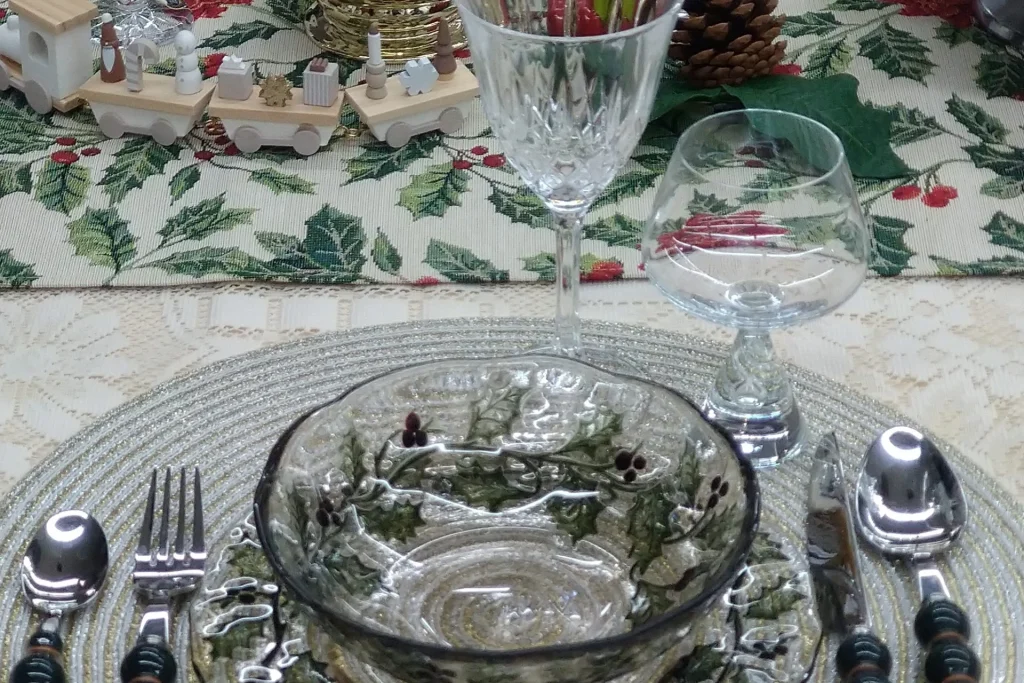
Choose a Table Runner Around a Centerpiece You Already Own
Use your existing centerpiece and everyday place settings to compare two runner widths. This measured paper-layout exercise helps you choose the visible border,…
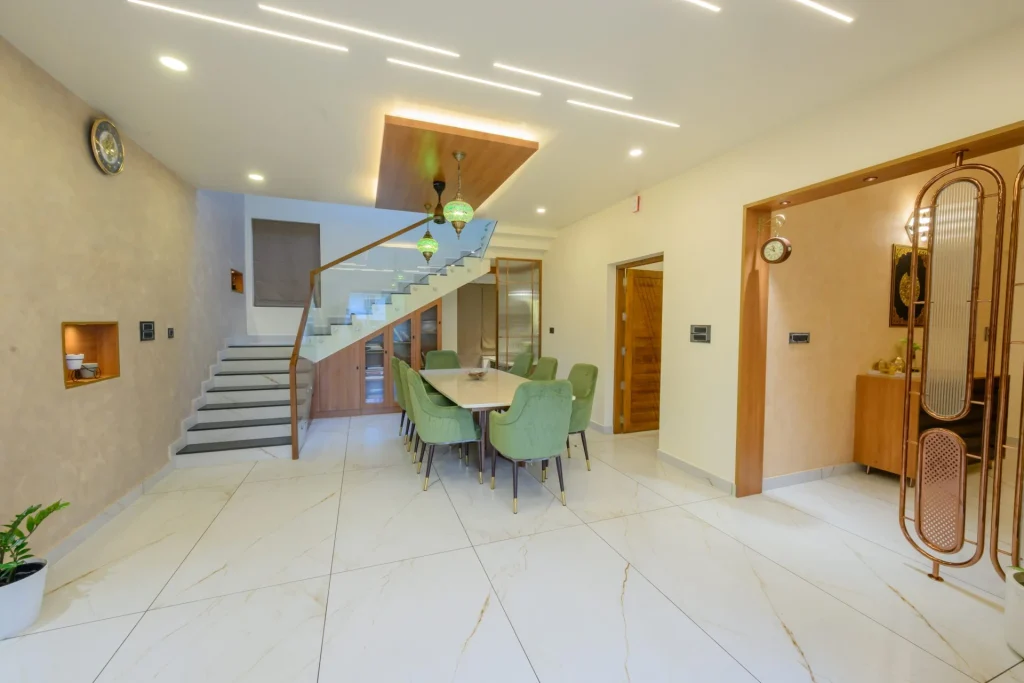
Mix Dining Chairs by Repeating One Visible Feature
Build a dining chair arrangement around one repeated detail, then check how each chair fits your table. A worked comparison board separates personal…