Build an Everyday Outfit Formula Without Buying a Capsule Wardrobe
Start with one ordinary activity and turn a favourite outfit into a repeatable formula. Use a simple worksheet and a five-day example to make substitutions from clothes you already own.
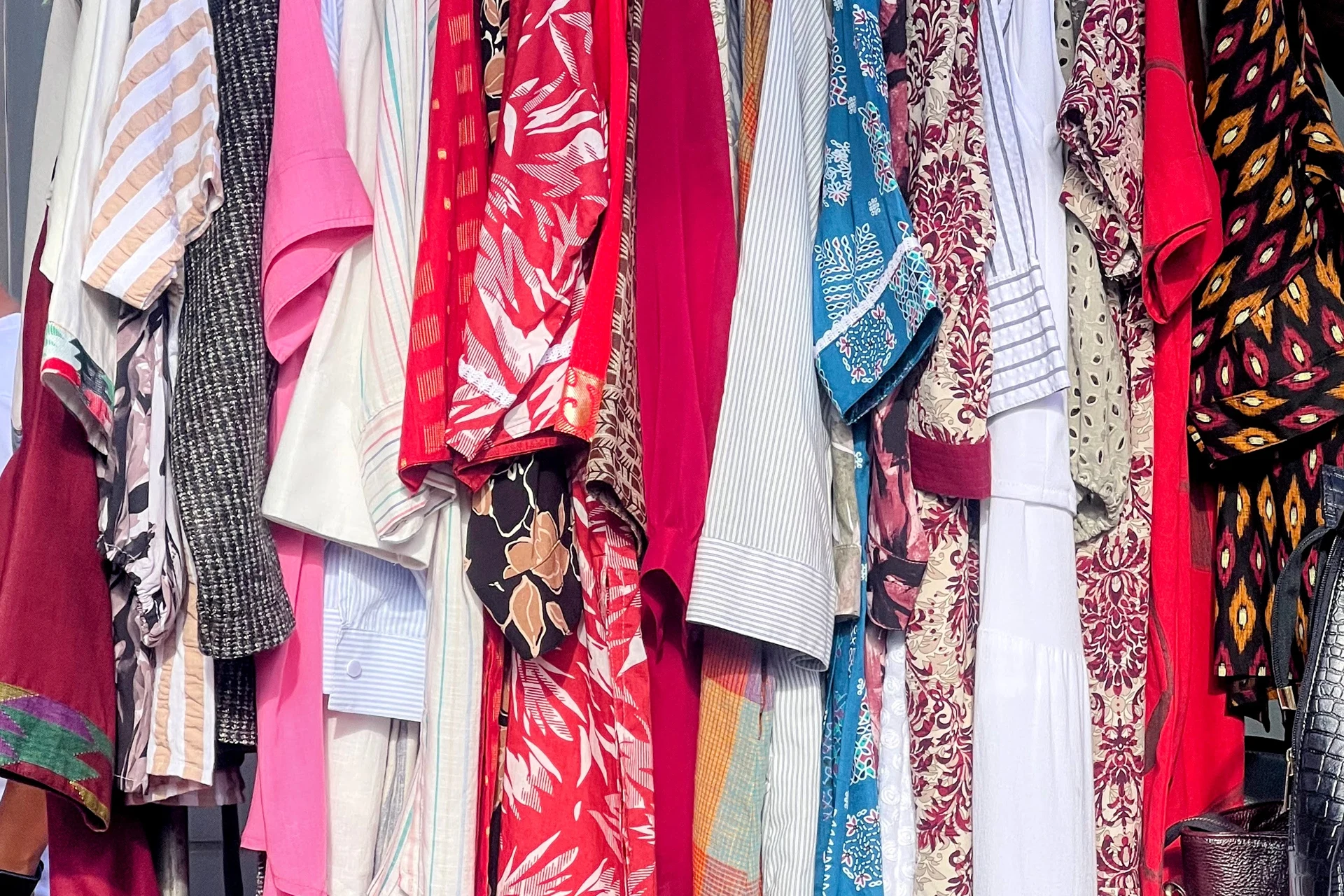
Try this starting formula: trousers you enjoy wearing, a top that works with their waistband, an optional layer and shoes suited to the day’s plans. Pull one example of each from your wardrobe and put them on together. You now have something concrete to adjust.
An outfit formula names the roles in a combination you want to repeat. It does not need a fixed number of garments, a coordinated rail or a new purchase. The useful question is whether you can swap one piece and still feel appropriately dressed for a familiar day.
Choose one recurring day to solve
Write down an activity that actually repeats: working at a desk, travelling to a workplace, meeting friends for lunch or spending an afternoon on errands. Choose one. A formula meant to cover every situation can become too vague to guide a morning decision.
Describe the day in ordinary terms. Will you be indoors most of the time? Do you want a layer you can take off? Do you prefer shoes you can remove easily? Record your preferences without turning them into rules for anyone else.
For this illustrative exercise, the day is desk work followed by a short errand. The wearer chooses trousers, a simple top, a cardigan and familiar flat shoes. Those choices reflect this example’s taste and plans; another person could begin with a dress and a jacket.
Set a boundary too: this formula does not have to cover a formal appointment or an evening invitation. Give those days their own outfit decisions.
Turn a favourite outfit into garment roles
Start with a combination you have already enjoyed wearing. Lay it out or put it on, then describe what each piece contributes. Be more precise than “nice top,” but leave enough room for a substitute.
In the example, the trousers provide the preferred waist position and leg shape. The top sits comfortably at that waistband. The cardigan supplies an optional layer. The shoes complete a combination the wearer likes for the planned errand.
Now write the formula without colours or brand names: straight trousers + a top worn untucked + an open layer + familiar flats. The phrase “worn untucked” matters here because it records how this wearer wants the outfit to sit.
If your starting outfit includes jewellery or a bag that changes how you feel about it, give that item a role. Otherwise, leave accessories optional. A formula should describe the decisions you need help repeating, rather than catalogue everything you own.
Fill in a worksheet before making substitutions
Copy these prompts into a notebook. Fill them in while wearing the starting outfit, so the answers refer to a real combination.
- Recurring activity: What day or task am I dressing for?
- Starting combination: Which complete outfit do I want to repeat?
- Garment roles: What does each piece contribute?
- Keep consistent: Which features do I enjoy, such as an untucked hem or open neckline?
- Possible substitutes: Which pieces already in my wardrobe might fill each role?
- Try-on result: Which substitutions do I actually like together?
- Boundary: Which occasions need a different plan?
Choose one substitute per role to begin. Try each with the original outfit before combining several changes. A second top may work with the trousers but feel awkward beneath the cardigan; record that specific pairing instead of rejecting the top altogether.
Keep the worksheet separate from a wish list. An empty substitute slot can stay empty. If only one cardigan works, the formula can use that cardigan whenever it is available.
Work through five days of small changes
The following week is illustrative. Its colours and combinations are personal styling choices, not prescriptions. Use the sequence to test your own pieces, without assuming that every listed garment belongs in your wardrobe.
- Monday: Navy straight trousers, an ivory top, a grey cardigan and black flats establish the starting combination.
- Tuesday: Keep the trousers, cardigan and shoes. Substitute a striped top, checking whether you like its hem with the same waistband.
- Wednesday: Return to the ivory top and try another pair of straight trousers. Check the complete outfit rather than assuming a similar cut gives the same result.
- Thursday: Use Monday’s trousers and top with an open shirt as the layer. Wear it briefly around the house to decide whether you like the sleeves and neckline together.
- Friday: Repeat the combination you preferred earlier in the week. Repetition is an available choice; five days do not require five distinct outfits.
This sequence assumes the selected clothes are available and ready to wear. Laundry, weather and changed plans can interrupt it. Keep a second complete combination in mind if you want a fallback.
For an occasion-specific exercise, three holiday outfits from one base offers a separate planning context. Your everyday worksheet can stay focused on ordinary days.
Edit the formula after wearing it
At the end of a day, record one useful observation: “I kept adjusting the cardigan,” “I liked the shorter top with these trousers,” or “I wanted different shoes for that errand.” Describe what happened rather than grading the whole outfit as a success or failure.
Change the relevant role. You might narrow “optional layer” to “an open layer with sleeves I leave alone,” or keep two top lengths for different trousers. Avoid rebuilding the entire formula because one substitution disappointed you.
If accessories are the only unfinished decision, a tray for jewellery you are currently wearing gives those choices a designated place. Keep only the pairings you want to repeat in your outfit note.
Leave yourself a ready-to-use line: “For desk work and errands: navy trousers, ivory or striped top, grey cardigan, black flats.” Tomorrow’s decision begins with that combination, with room to change it when the day calls for something else.
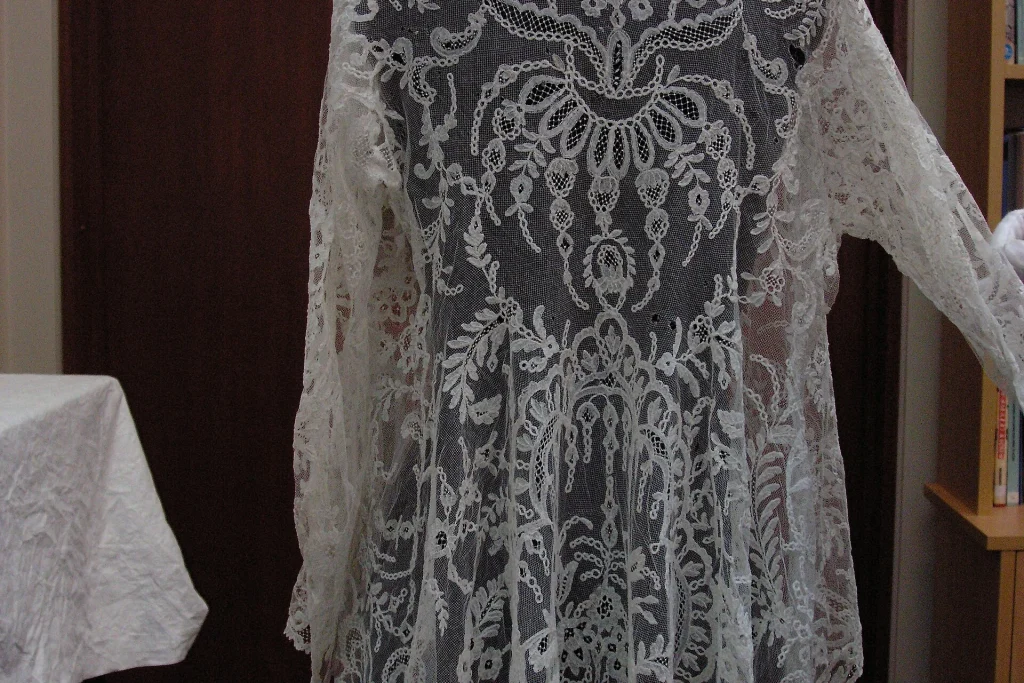
What to Wear Under a Sheer Top: Compare Coverage, Edges and Necklines
Choose an underlayer by deciding what you want visible, then checking straps, neckline and hem. A simple visibility map and three illustrative outfits…
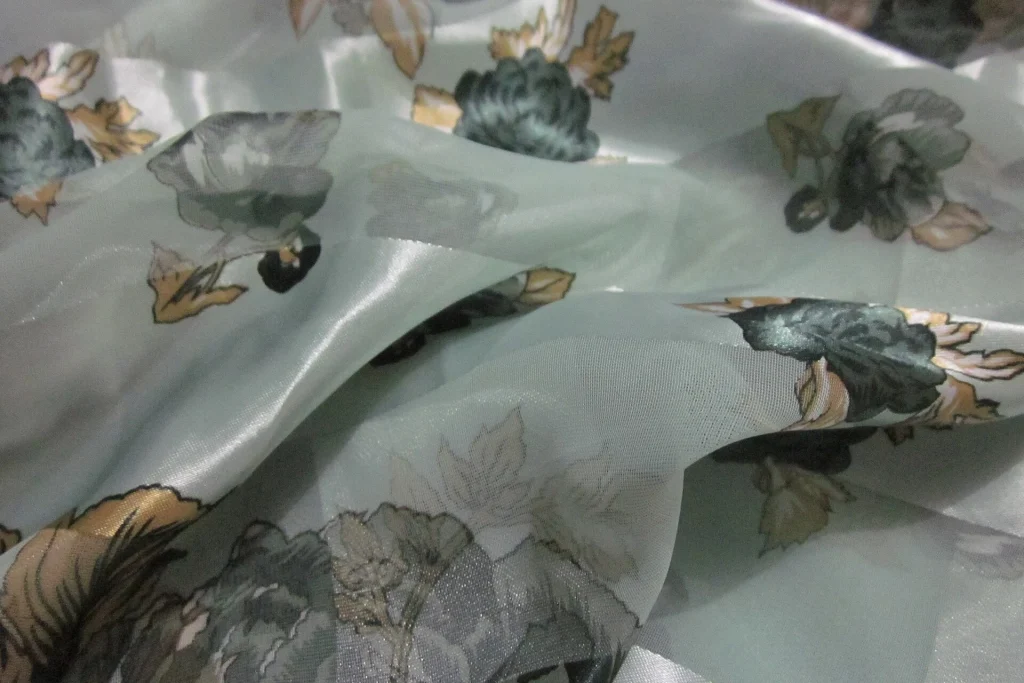
One Square Scarf, Three Folds: Choose by the Fabric You Want to Show
A narrow band, broad triangle and loose rectangle reveal different parts of the same square scarf. Try this tabletop comparison to choose the…
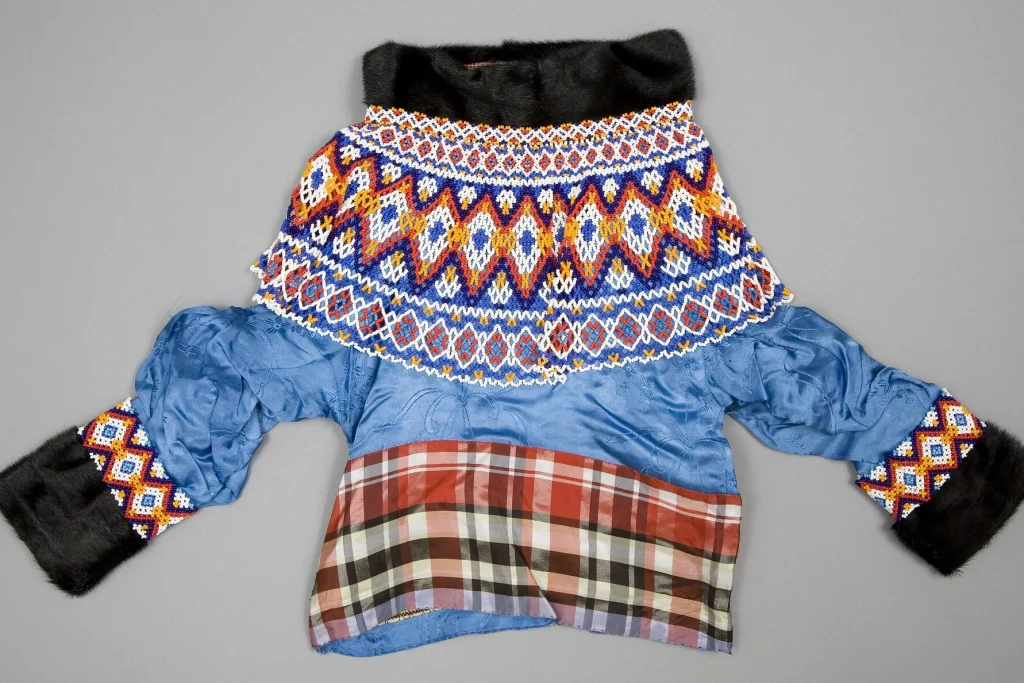
How to Dry a Wool Sweater Flat When You Have Limited Space
Plan a supported drying footprint before washing your wool sweater. This small-space guide combines label-led care, gentle reshaping and a measured layout so…