What to Wear Under a Sheer Top: Compare Coverage, Edges and Necklines
Choose an underlayer by deciding what you want visible, then checking straps, neckline and hem. A simple visibility map and three illustrative outfits make the choice easier without prescribing one correct amount of coverage.
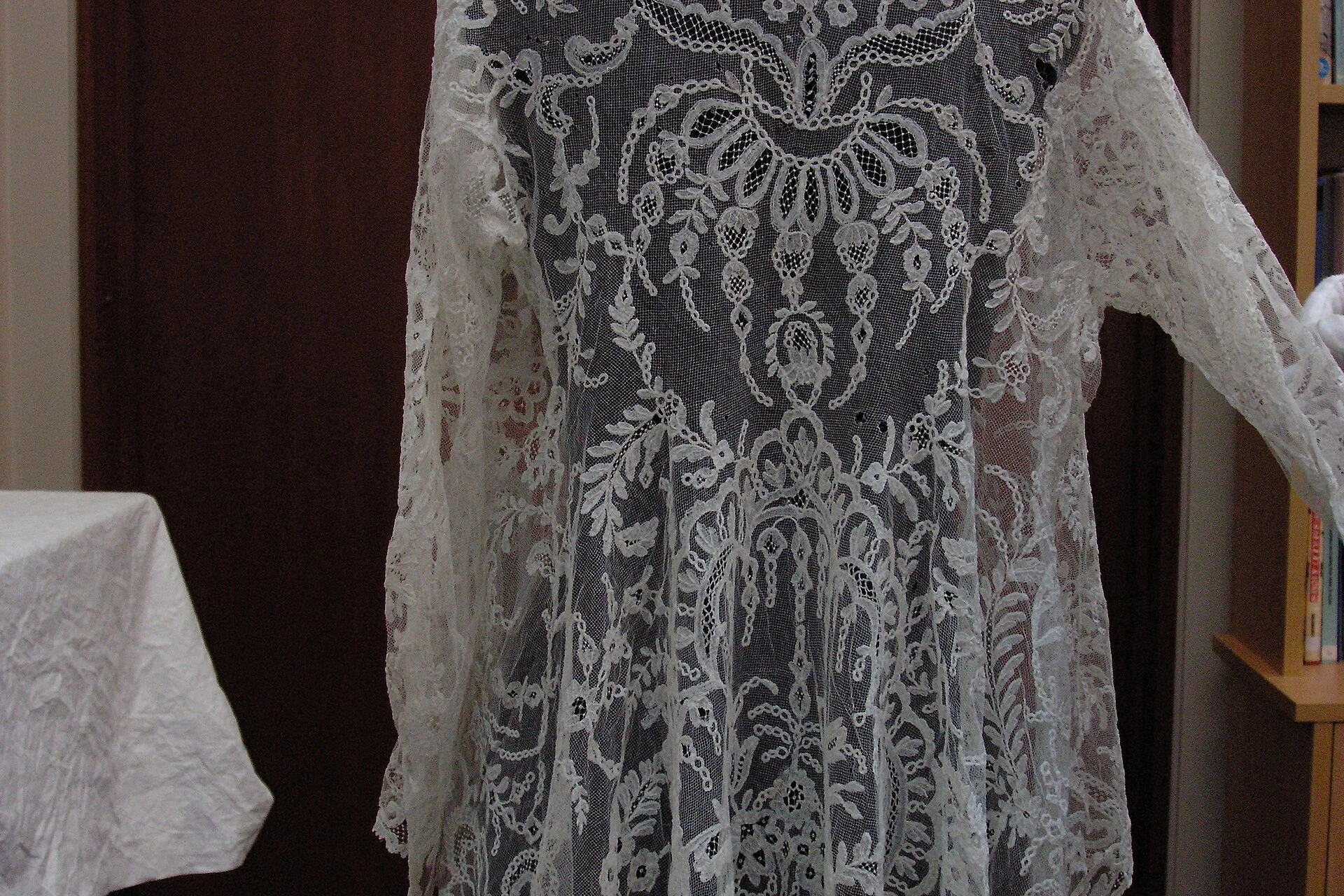

Put a plain camisole beneath a sheer blouse and look at three places: the shoulders, the chest and the waist. You might like the coverage but dislike the double neckline. Or the neckline might work while the camisole hem draws a line exactly where you do not want one.
Choose the underlayer by its visible outline, not just its color. A camisole, tank or bra-style layer can each be an intentional choice; the useful question is which parts you want the outfit to show. The combinations below are illustrative styling options, not rules about how much anyone should cover.
1. Set your coverage boundary first
Before comparing colors, name the areas you want covered by the underlayer itself. For example: “I want coverage across my torso, but I am happy for my shoulders and sleeves to remain sheer.” That gives you a more useful starting point than “I need something neutral.”
Try the proposed underlayer without the blouse. Check its front, back and sides. If it does not provide the coverage you want alone, do not count on the sheer fabric to supply the missing coverage. Judge the complete outfit afterward, in the light where you are getting dressed and again near a window.
Your preference can change with the occasion. A visible bra-style layer might be your chosen focal point for one outfit and not suit another. If a venue has requirements, resolve those separately; this guide to confirming a restaurant dress code offers a way to ask before packing.
2. Make a five-point visibility map
With both pieces on, use the following map. Record “show,” “blend” or “change” for each area. “Blend” means you want the edge to be less prominent, not that it will become invisible.
| Area | What to inspect | Possible adjustment |
|---|---|---|
| Shoulders | Straps beside the blouse seams | Try a different strap position or width |
| Neckline | The shape inside the outer neckline | Compare a straight, scoop or V-shaped edge |
| Armholes | Side coverage with arms lifted | Try a higher-sided underlayer |
| Torso | Seams, trim and color showing through | Compare a plainer surface or deliberate contrast |
| Hem | Where the underlayer ends | Test tucked and untucked positions |
An example note might read: “Shoulders: show. Neckline: change. Armholes: keep. Torso: blend. Hem: tuck.” Now the next try-on has one clear job: find a neckline you prefer while retaining the coverage already working.
3. Compare necklines before chasing a color match
A straight camisole edge beneath an open V-neck blouse creates two distinct shapes. You may enjoy that framed effect. If you want a quieter arrangement, compare a V-shaped underlayer instead. Neither choice needs to reproduce the blouse neckline exactly.
For a high-neck sheer top, try a scoop-neck tank and then a higher-neck tank. In the first version, the curved edge becomes part of the design across the chest. In the second, more of that area is covered. Decide which outline you prefer before changing the color.
Then compare two color directions: an underlayer close to the blouse color and one you deliberately want to see through it. Look at the actual pairing rather than assuming a color name guarantees discretion. Include lace, piping and seam lines in that assessment; those details may be more noticeable to you than the main fabric.
4. Try three distinct layering combinations
For covered torso, sheer sleeves: try a plain tank beneath a sheer button-front blouse. In this example, the tank covers the chosen torso area while the blouse supplies the sheer shoulder and sleeve sections. Leave the collar opening where you like it, then check whether the tank neckline sits comfortably within that opening.
For a visible inner frame: try a square-neck camisole beneath a sheer scoop-neck top. Choose this because you like seeing the square edge, rather than hoping it disappears. Keep the camisole surface plain for the first comparison so you can judge the shapes without also deciding about trim.
For a deliberately exposed layer: try a bra-style top beneath a loose sheer shirt, with high-waisted trousers if you like that proportion. This offers less torso coverage than the previous examples. Inspect the back and sides as carefully as the front, and reject the combination if its coverage does not match your intention.
5. Test the outfit in motion, then save the pairing
Sit down, reach forward and lift your arms. Check whether the underlayer rises, whether a strap moves into view and whether the blouse opening changes. A pairing that needs constant repositioning may not be the one you want for a long outing, however much you like its standing silhouette.
Add the trousers or skirt before deciding about the hem. Try both layers tucked, only the underlayer tucked, and both untucked where their lengths allow. Keep the version whose waistline you actually prefer, rather than automatically hiding every edge.
Save a short outfit note: “Sheer blue blouse; plain blue tank; tank tucked; collar open two buttons.” For an outfit you plan to reuse, place that combination alongside the base pieces in your party capsule planning. Recheck it when you change the underlayer, waistband or intended coverage; one successful pairing is not a promise that every similar top will behave the same way.
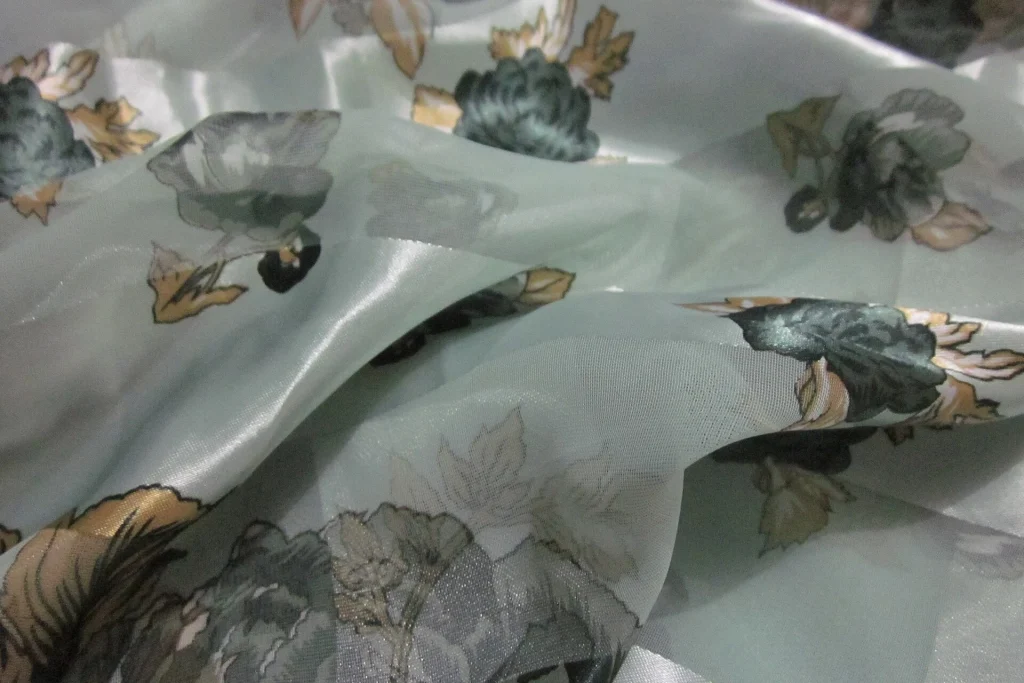
One Square Scarf, Three Folds: Choose by the Fabric You Want to Show
A narrow band, broad triangle and loose rectangle reveal different parts of the same square scarf. Try this tabletop comparison to choose the…
How to Dry a Wool Sweater Flat When You Have Limited Space
Plan a supported drying footprint before washing your wool sweater. This small-space guide combines label-led care, gentle reshaping and a measured layout so…
Choosing Belt Width for a Dress: Start With the Waist Detail
Compare a belt with the waist detail already on your dress. This practical try-on guide covers seams, gathers and existing ties, with a…