How to Dry a Wool Sweater Flat When You Have Limited Space
Plan a supported drying footprint before washing your wool sweater. This small-space guide combines label-led care, gentle reshaping and a measured layout so the sleeves do not hang over the edge.
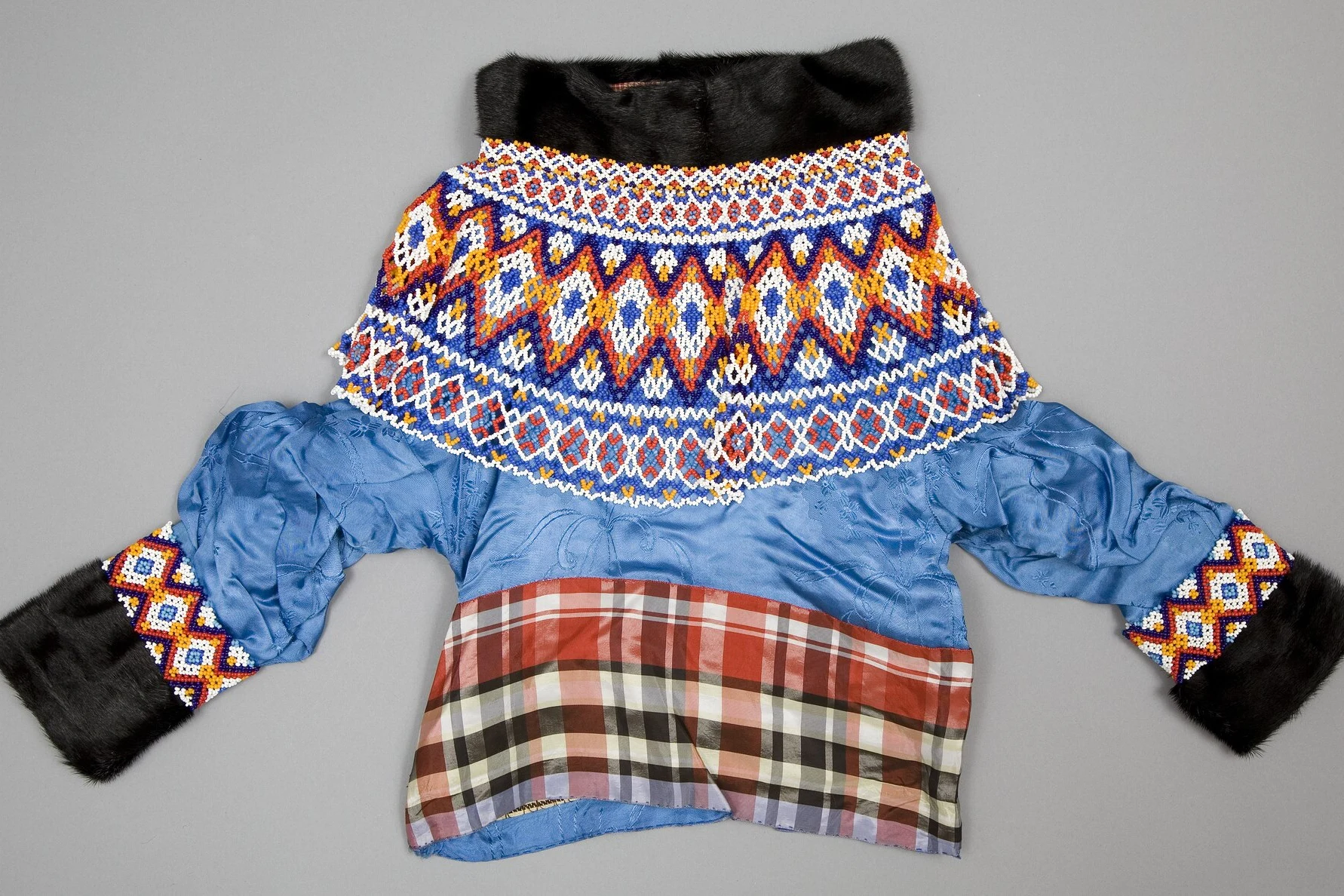
A towel fits on the table, but one wet sleeve hangs over the edge. That is not quite a flat-drying setup. The useful measurement is the footprint of the whole sweater—including its sleeves—not just the width of the body.
Before washing, identify a place where the garment can lie supported and remain undisturbed. Woolmark recommends drying wool knitwear flat unless the garment’s care claim permits tumble drying. Start with your sweater’s label, then plan the surface around the instructions that apply to it.
Check the label and record the dry shape
Read the care label before choosing a drying method. If it specifies dry cleaning only, this is not a home-washing plan for that garment. Permission to tumble dry is also garment-specific; do not extend it from one sweater to another.
For a sweater you will wash and dry flat, lay it out while it is still dry. Record the body width, shoulder-to-hem length and sleeve length without pulling the knit. These are personal reference measurements, not targets for stretching a wet garment into a new size.
A quick outline or photograph can also record the position of the shoulders and sleeves. This is particularly useful when the shape is not a simple rectangle. Note whether the hem is curved or the back is longer than the front.
Keep the record with your other clothing details. The habit is similar to making a clear clothing-detail photograph: capture the feature you will need later, rather than an attractive but uninformative view.
Measure a drying footprint, not just a towel
Try the arrangement with the dry sweater first. Lay the body flat and position the sleeves so they are supported without being pulled outward. Measure the entire arrangement at its widest and longest points.
The following is an illustrative space-planning example. It is not a standard sweater size or a required drying clearance:
| Item measured | Example measurement | Planning use |
|---|---|---|
| Dry sweater body | 50 cm wide × 60 cm long | Reference for gentle reshaping |
| Whole arranged sweater | 78 cm wide × 65 cm long | Includes supported sleeves |
| Available flat surface | 90 cm wide × 75 cm long | Accommodates this trial layout |
In this example, a surface only 60 cm wide would fit the body but not the tested sleeve arrangement. Turn the layout to see whether it fits in the other direction. If it still does not, find another surface rather than leaving fabric dangling.
Woolmark also describes garment-drying mesh screens designed to fit over a bathtub. If considering one, check its usable dimensions against your layout and use it as intended. A narrow support that leaves most of the sweater hanging is not the same arrangement.
Prepare the surface and place the sweater
Woolmark recommends a pale-colored or white towel that is free from lint for flat drying. Put it on a clean, suitable surface that can tolerate the setup. Protect furniture according to its own care requirements; do not assume a towel makes every surface appropriate for damp fabric.
Bring the washed sweater to the prepared area with its body and sleeves supported. Lay it on the towel, then gently arrange it into its usual shape. Woolmark advises gently kneading the garment by hand into shape and size and removing as many creases or folds as possible.
Use your dry measurements as a reference while smoothing, not as an instruction to tug each edge until it meets a number. Straighten a folded cuff, release a doubled-under hem and check that neither sleeve runs off the support.
If the only way to fit the sweater is to pile both sleeves across the body, reconsider the space. Aim for the least folded arrangement you can accommodate, rather than treating a compact bundle as a finished flat layout.
Leave it to air-dry without adding heat
Let the sweater dry naturally in the air. Woolmark advises avoiding direct sunlight, magnified sunlight close to an outside window and direct heat. It specifically warns against drying wool over a radiator, where the folded-over area can dry fastest and suffer color change or damage.
Choose a location where the laid-out garment is not crowded by bags, other laundry or objects resting on top. Leave it uncovered rather than enclosing it to make the room look tidier. These are practical layout choices, not a promise of a particular drying speed.
Do not swap the flat setup for a hanger because the table is needed. Woolmark notes that moisture weight can cause knitted garments dried on lines or hangers to stretch in length and lose shape.
There is no fixed drying timetable in this plan. Check the sweater itself, including cuffs, hem and any areas that remained doubled. Do not schedule storage solely by the number of hours that have passed.
Make a small-space plan you can repeat
Write a short setup card: “White lint-free towel; designated flat surface; sleeves fully supported; usual dimensions recorded; away from sun and direct heat.” Add the measurements of your successful layout, not those in the example table.
If the surface must be cleared later, identify the next suitable flat location before washing. Better still, wash when the chosen space can stay available. Limited space calls for timing and a measured footprint, not a drying arrangement that changes halfway through.
Before putting the sweater away, check that it has dried throughout and inspect its shape without pulling it. Save the layout photograph for next time. The repeatable result is a label-appropriate process with enough support for this particular garment—not a universal drying recipe for every wool item.
Sources and editorial notes
What to Wear Under a Sheer Top: Compare Coverage, Edges and Necklines
Choose an underlayer by deciding what you want visible, then checking straps, neckline and hem. A simple visibility map and three illustrative outfits…
One Square Scarf, Three Folds: Choose by the Fabric You Want to Show
A narrow band, broad triangle and loose rectangle reveal different parts of the same square scarf. Try this tabletop comparison to choose the…
Choosing Belt Width for a Dress: Start With the Waist Detail
Compare a belt with the waist detail already on your dress. This practical try-on guide covers seams, gathers and existing ties, with a…