Hang or Fold? Choose Storage by Garment Structure
Use four everyday garments to make a practical storage plan. Check weight, stretch, shoulder shape and your tolerance for creases, then give each piece a place you can maintain.
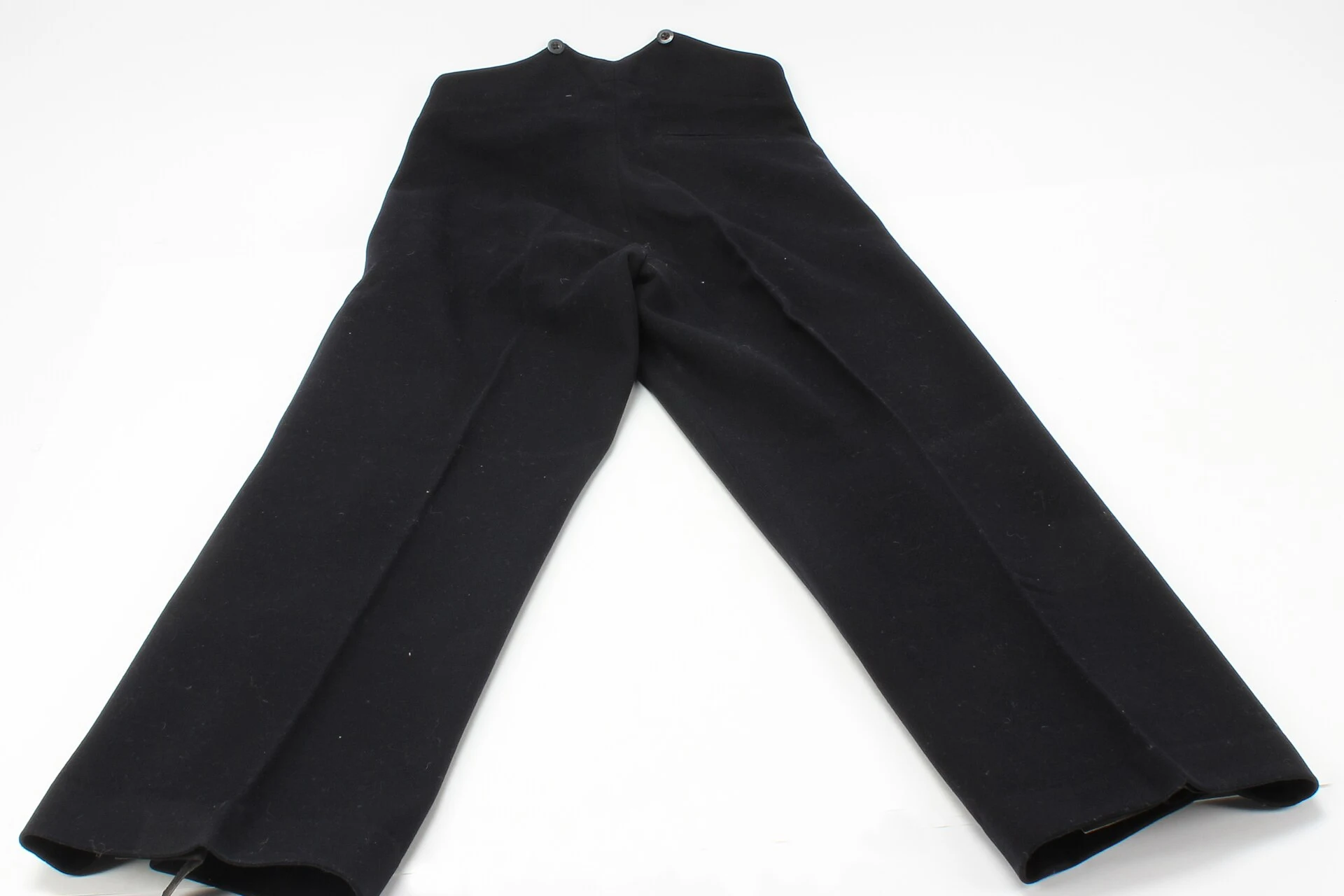

Put a knit, a woven shirt, a pair of trousers and a structured jacket on your bed. Before assigning them to a shelf or rail, look at what each storage position would ask the garment to do: rest on its whole body, hang from its shoulders, sit across a bar or stay folded at one point.
For an everyday wardrobe, try folding a soft knit, hanging a woven shirt, choosing trouser storage around the crease you want, and supporting a structured jacket on a suitably shaped hanger. Treat those as starting choices. The individual garment, its instructions and the space available should decide the final arrangement.
Start with this hang-or-fold decision tree
Work through these questions with one garment at a time. This is a practical sorting exercise, not a promise that a storage method will preserve every fabric.
- Does the garment have specific care or storage instructions? Follow those before using a general wardrobe rule.
- Is it soft, stretchy or noticeably weighty when held by the shoulders? Start by considering folded storage, where you can support the body rather than suspend it.
- Does it have a defined shoulder shape? Consider hanging, then check whether the hanger sits within that shape.
- Would a fold line bother you when getting dressed? Try hanging if the garment can sit comfortably on the available hanger.
- Can you retrieve it without pulling other clothes out? Adjust the location or reduce the stack before calling the arrangement finished.
These questions can point in different directions. A heavy jacket may still suit hanging because of its construction; a light, stretchy top may be easier to accommodate folded. Avoid making weight the only deciding factor.
Give the knit a supported place
For the first example, choose a soft sweater you normally wear loose. Lay it flat, bring the sleeves inward and fold the body only as much as the shelf requires. Keep the finished shape broad enough that you can recognise it without unfolding everything.
Before putting another sweater on top, practise taking this one out. If retrieval requires dragging it from beneath a tall pile, use a shorter stack or a separate space. The useful arrangement is the one you can repeat when putting laundry away.
Look at the garment rather than relying entirely on its fibre name. A compact knit and a loose, weighty knit may call for different choices within your wardrobe. Merino wool has natural wrinkle resistance, but that does not make an individual sweater crease-proof or settle the storage question by itself.
If your shelf is too shallow for the first fold, change the fold to suit it. Avoid forcing a broad sweater into a narrow gap simply to keep all knitwear together.
Check the shirt and jacket at the shoulders
Place the woven shirt on a hanger and look at it from the front and back. Check where the hanger ends sit relative to the shoulders. If the shirt is pulled into an unfamiliar outline, try another hanger rather than accepting the shape because the shirt technically fits on it.
Give the collar and sleeves enough room that you can lift the shirt out directly. If rail space is limited and you are happy with the result after folding, a folded shirt remains a reasonable personal choice. Your tolerance for fold lines matters.
For the structured jacket, start with a hanger whose contour follows the jacket’s shoulders. Look for visible support across that area, then check that the sleeves and hem hang freely. Do not wedge it between tightly packed garments.
A utility jacket may need a different arrangement from a tailored jacket. Once you have chosen its storage position, the utility jacket styling guide offers a separate place to consider how you will wear it.
Choose trouser storage around the line you want
Lay the trousers out as you prefer them to look when worn. If they have an established crease you want to keep, use that line as your reference when arranging the legs. If you prefer a relaxed appearance, avoid adding a deliberate crease simply to copy another pair’s storage.
Compare the positions your wardrobe actually offers: folded on a shelf, draped over a trouser bar, or suspended from a suitable trouser hanger. Check the contact points. Does the bar leave a line you dislike? Do clips press on a visible part of the waistband? Does the hem reach the wardrobe floor?
Choose the option with the most acceptable result for that pair. If none works well, give the trousers a different location rather than treating every pair as a single storage category. For travel, make a separate plan using packing by outfit; a suitcase presents different space constraints.
Keep a four-line storage record
Copy this illustrative record into a note, then replace each entry with your own garment and observation:
- Soft sweater: folded on the middle shelf; keep the stack short enough to lift it out.
- Woven shirt: hung on the left rail; check shoulder placement when putting it away.
- Everyday trousers: over the trouser bar; inspect the crosswise fold before choosing this permanently.
- Structured jacket: hung with space around the shoulders; keep the hem clear.
Review the arrangement when you next wear each item. Note any unwanted line, awkward retrieval or visible change in shape, then alter one thing. This makes the decision specific to clothes you own.
Sources and editorial notes
What to Wear Under a Sheer Top: Compare Coverage, Edges and Necklines
Choose an underlayer by deciding what you want visible, then checking straps, neckline and hem. A simple visibility map and three illustrative outfits…
One Square Scarf, Three Folds: Choose by the Fabric You Want to Show
A narrow band, broad triangle and loose rectangle reveal different parts of the same square scarf. Try this tabletop comparison to choose the…
How to Dry a Wool Sweater Flat When You Have Limited Space
Plan a supported drying footprint before washing your wool sweater. This small-space guide combines label-led care, gentle reshaping and a measured layout so…