Build a Perfume Sample Shortlist Around One Difference
Choose perfume samples around one difference you want to explore. A focused question gives each selection a purpose while keeping the wording on the card separate from your own impression.
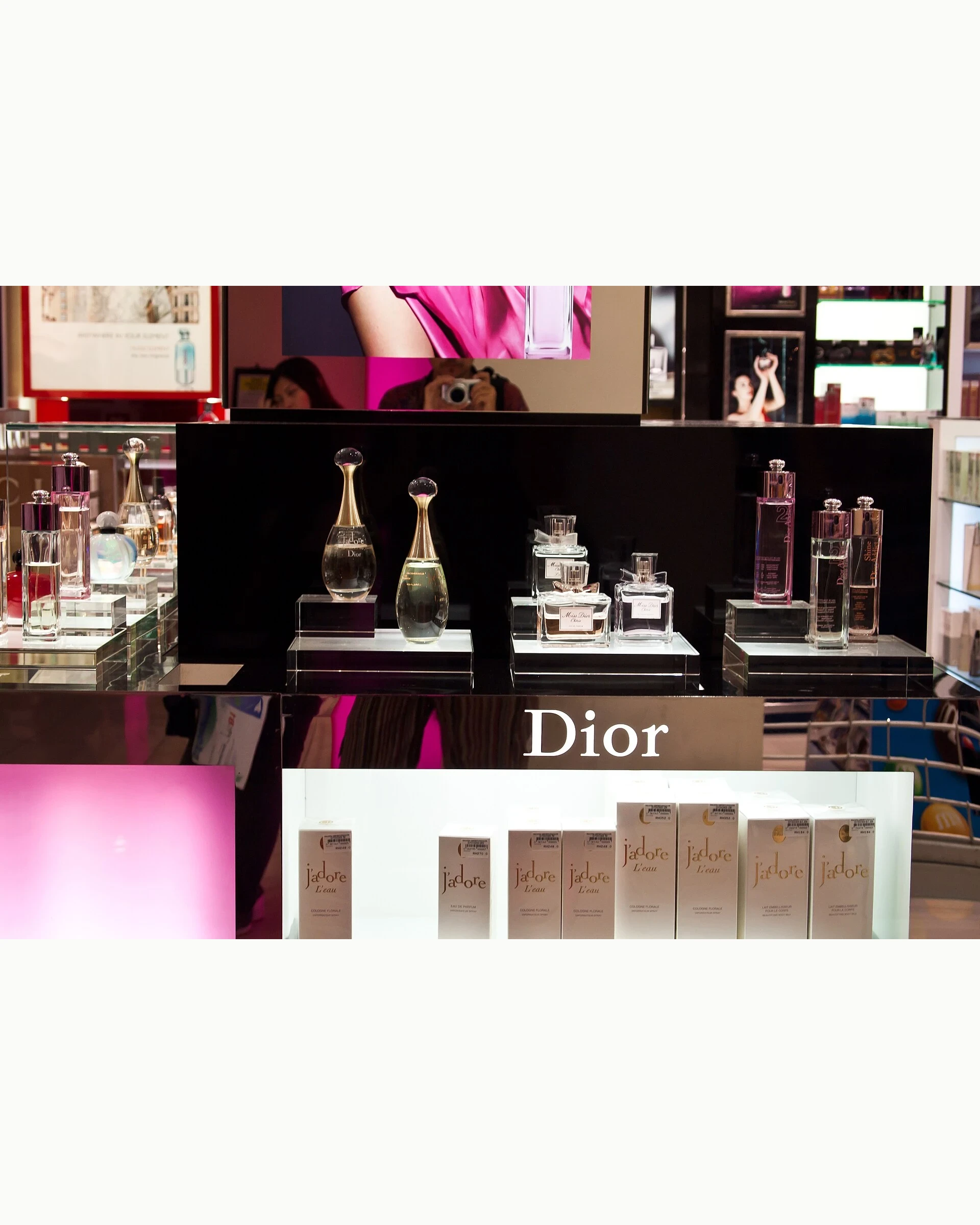

Put samples on your shortlist because they help answer one question you care about. If you are interested in floral descriptions, for example, choose one that also names a woody note and one that does not. That gives your next selection a purpose without assuming how either perfume will smell to you.
A useful question is: “Which interests me more: a floral description that names cedar, or a floral description that does not name a woody note?” It is narrow enough to guide a choice while leaving room for your own response.
Turn your interest into a selection rule
“I want something different” leaves almost every sample in contention. “I want to explore rose descriptions with and without a named woody note” tells you what to look for on the cards.
Choose a contrast you actually want to explore. You do not need to adopt a preference because it sounds sophisticated, or include a description that has no appeal simply to complete a set.
Keep the wording precise. A card that does not mention wood belongs in the category “no woody note named here”. That wording does not establish that the perfume contains no woody materials or that you will notice no woody impression.
Give each sample a job
For a small shortlist, assign two places to the main contrast and make a third optional. The following descriptions are invented examples of wording, not quotations from real sample cards.
- Sample A: “rose, cedar”. This fills the floral description with a named woody note.
- Sample B: “rose, peony”. This fills the floral description with no woody note named.
- Sample C: “rose, sandalwood”. This offers another description naming wood, if you want a second option on that side of the question.
Rose is the repeated word in this example, which makes the reason for grouping the cards easy to see. It does not make the perfumes otherwise equivalent. You are choosing a direction to explore, not setting up a controlled comparison of ingredients.
With your own cards, copy the relevant wording exactly and keep each vial with the correct card. If the description is missing or too general to place, set that sample aside for this particular shortlist. There is no need to force it into a category.
Let your impression change the next choice
When you try the shortlisted samples, separate the selection reason from your reaction. “Chosen because the card names rose and cedar” records why it earned a place. “I preferred B” records your choice. Neither statement requires you to identify a note by smell.
If B appeals most, your next shortlist could explore two more floral descriptions that do not name wood. If A appeals most, you could choose another floral-and-wood description. These are possible next steps, not rules about what you must like.
You can also stop with one sample you want to revisit. The shortlist has done its job when it helps you choose what to try next; it does not need to produce a permanent fragrance identity.
If you are starting from a bottle you already enjoy, first identify the exact perfume you own. That gives you a clear reference when choosing which difference to explore.
Christmas Coquette Nails: Turn the Trend Into a Salon Brief
Soft ribbons, sheer pinks, and crisp holiday reds define Christmas coquette nails, a look gaining momentum in early seasonal searches. Translate vague inspiration…

How to Choose Lip Liner: Close Match or Visible Edge?
Use two paper colour sketches to decide whether you want a liner that blends with your lipstick or creates a visible border, then…
Store Lipsticks With Their Shade Names Facing You
Arrange matching lipstick tubes so you can read their original shade labels before lifting them. Try one drawer position first, then give each…