Did That Desk Belong Here? Reading Furniture Labels in a Historic House
Three fictional desk labels show the difference between a documented room connection, a comparable furnishing and an object made for display.
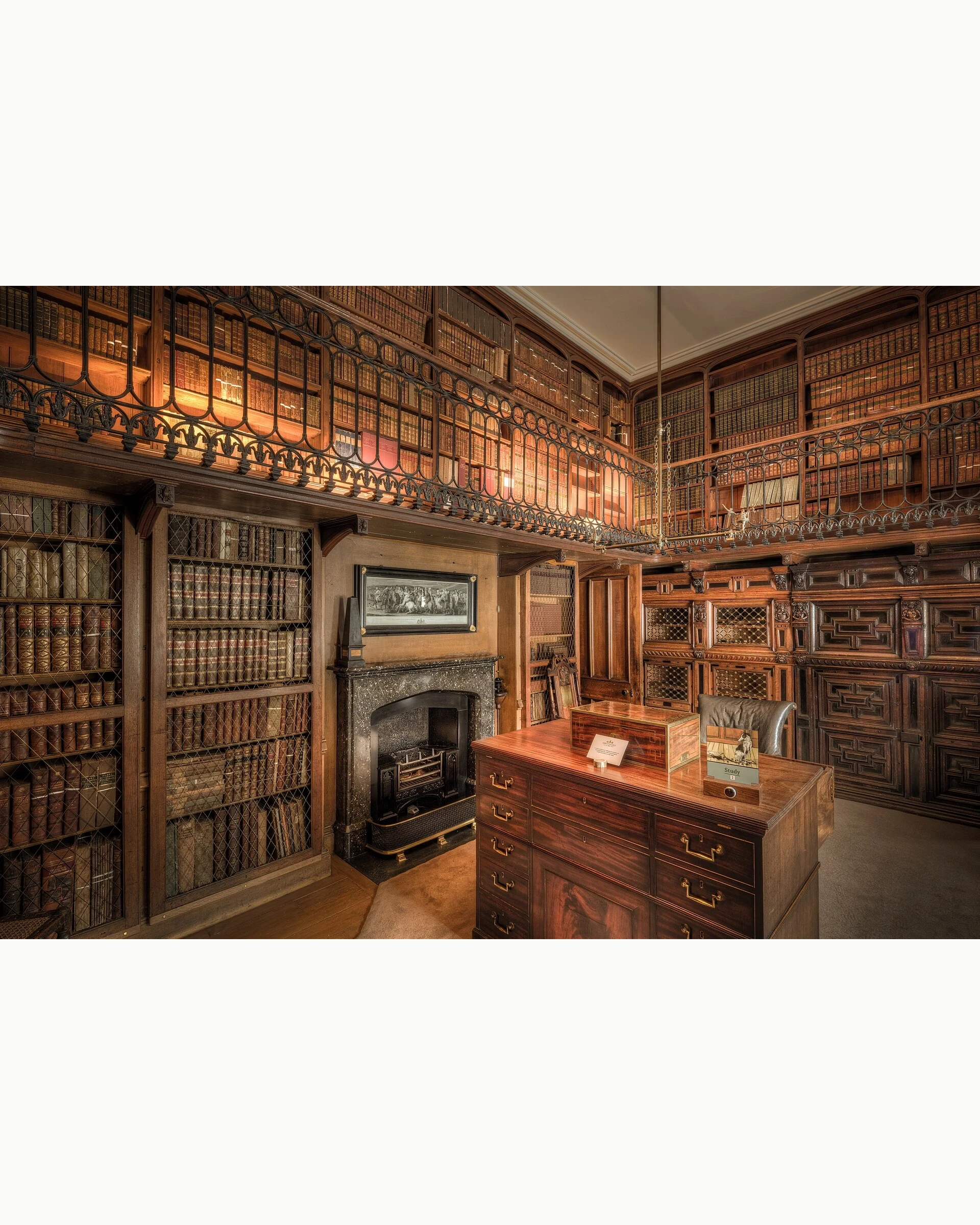

Imagine a writing desk beside a window in a historic house. Its label might connect it to a photograph of that room, identify it as a furnishing brought from elsewhere, or explain that it was made for the display. Those descriptions support different stories about what you see.
The three labels below are fictional. Use them to practise separating a desk’s stated connection to a room from the impression created by its setting.
A desk documented in the room
‘Writing desk. This desk is identified in a dated photograph of this room taken while the Vale family lived here.’
You could describe this as ‘a desk photographed in this room during the family’s occupancy’. The label connects this particular object to this particular room at one moment.
It does not identify the person who used it or establish what they wrote. Nor does it say that the desk always stood beside the window. Even a photograph showing that position would document an occasion, rather than a permanent arrangement.
A furnishing brought from elsewhere
‘Writing desk. Acquired from another house for this display; selected to illustrate a proposed furnishing scheme for the room.’
Here, you could say, ‘The desk was brought in to illustrate an interpretation of the room.’ Calling it ‘the family’s desk’ would add a connection the label does not supply.
The useful follow-up is about the proposed scheme: ‘What information was used to choose this type of desk?’ The label explains why the object is present, but leaves the basis for that choice unstated.
An object made for the display
‘Writing desk. Made for the present display to suggest a writing area. No particular historic desk is being reproduced.’
This wording supports ‘a desk made to suggest a possible writing area’. It supplies no direct connection to the former occupants and does not present the object as a copy of an identified original.
You can describe the scene in front of you without turning that scene into a claim about who sat there.
Ask what ‘original’ connects to
If a real label simply says ‘original’, ask: ‘Is this desk documented in this room, associated with the house, or included to illustrate the furnishing?’ That pinpoints the missing relationship.
Read any chair, letter or inkstand separately: none of these fictional desk labels establishes the history of the neighbouring objects. Evidence for one desk does not establish that the whole arrangement recreates a documented moment.
Our guide to reading a museum shop reproduction label offers a related exercise in checking exactly which object a description concerns.
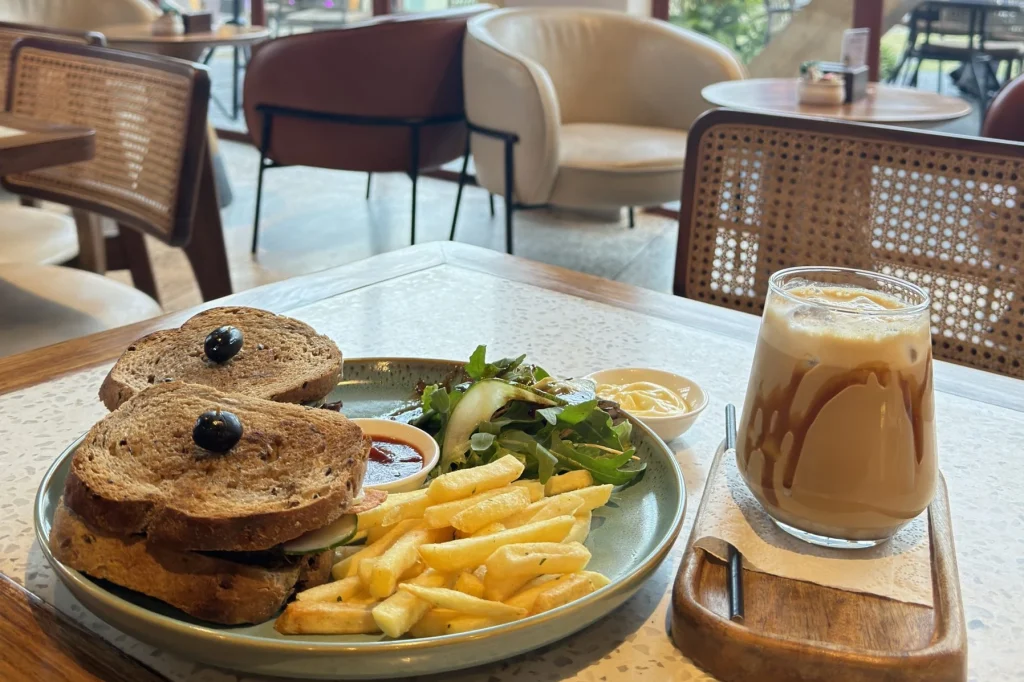
Where to Put Lunch in a Two-Neighbourhood City Break
Compare two bookshop-and-gallery schedules that give an extra 45 minutes to different neighbourhoods, then see how each handles a longer lunch.
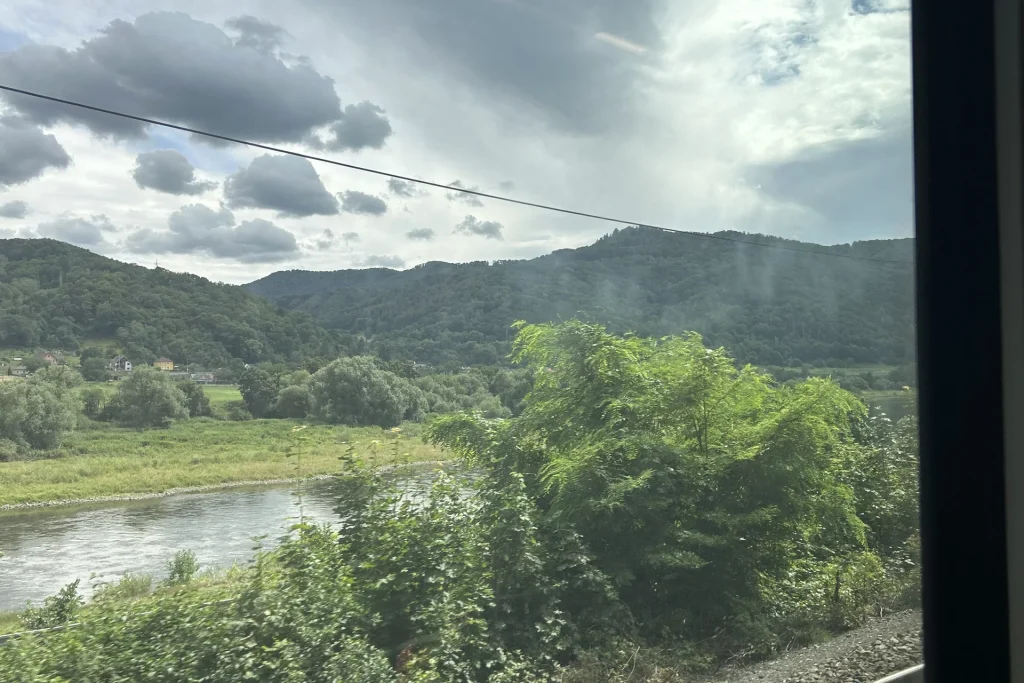
How to Use a Map to Choose a River-Facing Train Window
Follow an invented railway through two bends to work out which side faces the river. Then reverse the journey and calculate the return…
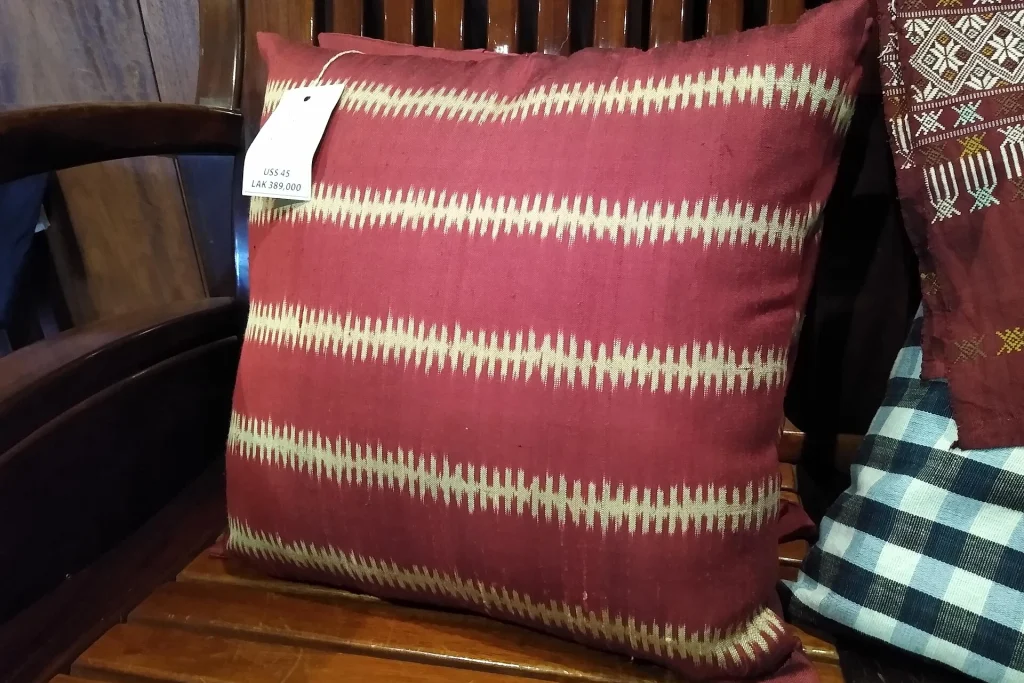
Buying a Textile Souvenir: Record the Material and Care Details Before You Leave
A beautiful textile needs more than a place in your suitcase. Capture its stated material, measurements, care instructions and maker details while you…