Gallery Audio Guide or Wall Text: Which Should You Start With?
Use one format to begin, then switch for a specific question. A fictional sculpture stop shows how to combine a label and an audio prompt without taking in the same commentary twice.

A sculpture label asks you to notice an opening; its audio guide begins with the same instruction. Do you need both? Start with whichever format you prefer, then switch when the other offers something you want: a term to check, another detail to examine or a different viewing prompt.
Try that approach with this fictional sculpture stop. The work, label and audio excerpt below are all invented.
Read one prompt, then use it
Imagine a folded metal sculpture with a narrow opening down its centre. Its label reads:
Folded Form. Painted metal. A single sheet bends around an open centre. Look at the gap between the two upright edges.
Read the label, then find the opening. Choose a description of what you can see from your position: straight or uneven, wide or narrow. You now have a specific feature to return to if another prompt interests you.
If you prefer to begin by listening, start the audio instead. There is no need to read the label first just to complete a sequence.
Check what the second format adds
Here is the imagined audio excerpt:
Find the narrow opening in the centre. If the gallery layout allows, move a little to one side. Watch how much of the wall you can see through the gap. Which edge now seems closer to you?
The opening instruction repeats the label. The movement prompt adds a task: compare the view from two positions. Pause the recording while you try it, keeping within the permitted visitor area.
That extra task is a reason to continue. If the track only repeated the title, material and description you had just read, you could stop and spend the time with the sculpture.
The useful addition here comes from the wording. You could follow the same movement prompt in a transcript, if one were available.
Finish the stop without restarting it
A route through this example could be: read the label, locate the opening, listen to the movement prompt, pause, and compare the two views. Return to the label only if you want to check a word or the title.
Starting with audio reverses the order. Follow its prompt first, then use the label for a detail you want to retrieve. You need not replay a whole passage to find the work’s name.
At the next object, choose again. If listening feels difficult to follow, try the text; if reading keeps interrupting your looking, try audio. If neither answers a question you have, leave the commentary there.
For a short visit, use this approach within a visit centred on one museum object: take one useful prompt, act on it, then give yourself time to look.
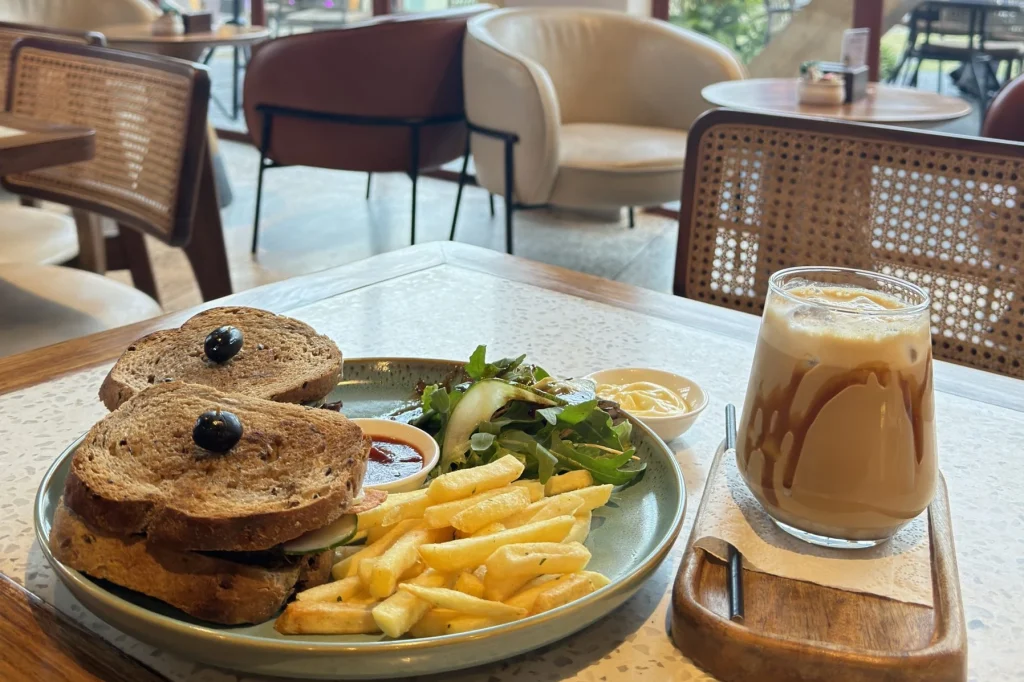
Where to Put Lunch in a Two-Neighbourhood City Break
Compare two bookshop-and-gallery schedules that give an extra 45 minutes to different neighbourhoods, then see how each handles a longer lunch.
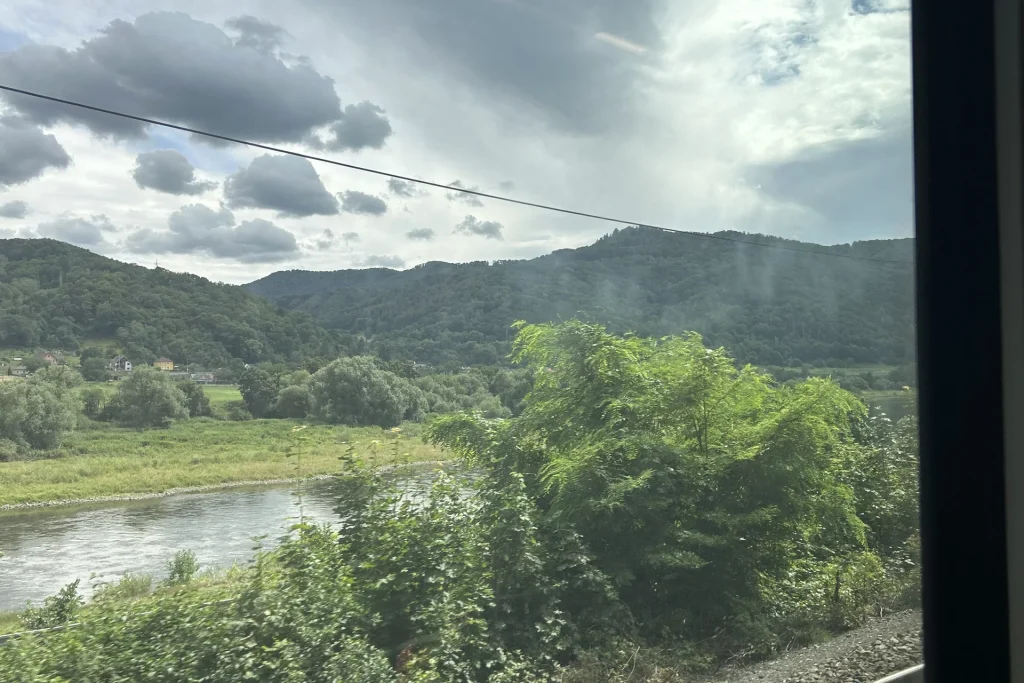
How to Use a Map to Choose a River-Facing Train Window
Follow an invented railway through two bends to work out which side faces the river. Then reverse the journey and calculate the return…
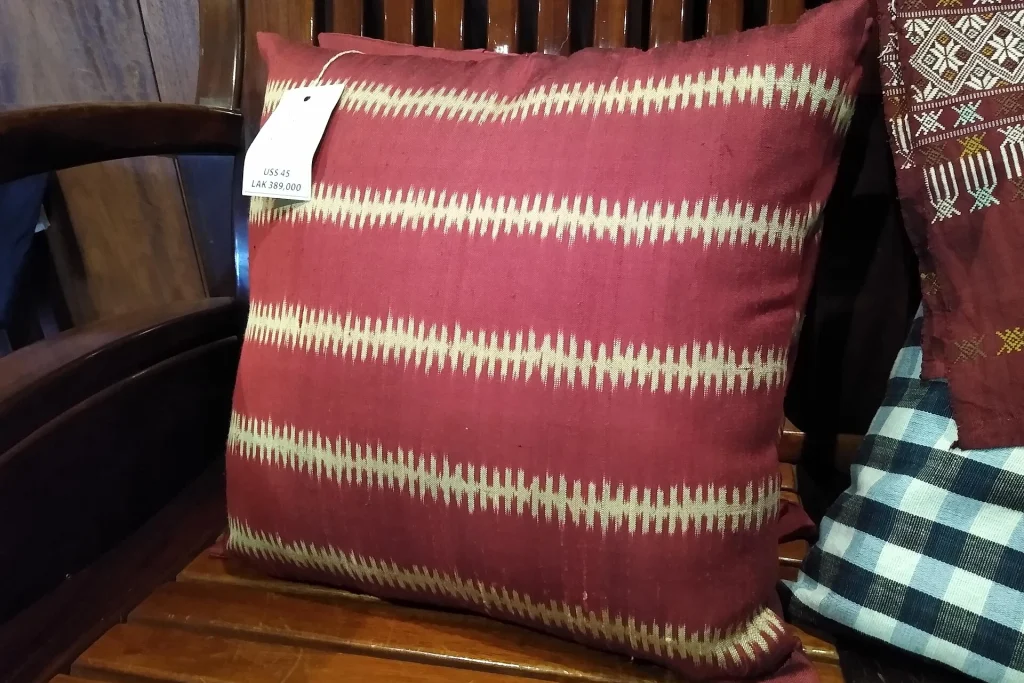
Buying a Textile Souvenir: Record the Material and Care Details Before You Leave
A beautiful textile needs more than a place in your suitcase. Capture its stated material, measurements, care instructions and maker details while you…