Permanent Collection or Temporary Exhibition: Which to Choose?
Compare two fictional portrait visits for the same hour. A question about several works points one way; an interest in two particular paintings points the other.

Imagine having one hour and two options: a temporary exhibition about portraiture, or a return to two favourite portraits in a collection display. Choose by the works you want to examine and the question you want to pursue. Either setting could suit you; its contents matter more than its label.
Here is a fictional example showing how a change of question changes the choice.
Set out what each visit offers
The exhibition description promises portraits showing people with objects associated with their public roles. Your collection alternative contains two familiar portraits: one person holds a folded letter; another rests a hand beside a closed book.
For this example, assume both options are available within your hour. The exhibition gives you a group of unfamiliar works linked by a stated theme. The collection gives you access to the two particular paintings you want to revisit.
Follow a question across several works
Suppose your question is: ‘How are objects positioned in portraits of people with public roles?’
The fictional exhibition is the stronger match because its advertised subject directly addresses that interest. Select a few portraits and compare where each object appears: held towards us, partly concealed, or placed on a table beside the person.
You could make a brief note for each: ‘Object; position; relationship to the hands; any explanation on the label.’ That gives you a consistent basis for comparison without needing to cover every room.
Keep identification separate from interpretation. In this example, a visible book alone does not tell you the person’s profession or education. If a label supplies that context, record it alongside what you can see.
Return to particular paintings for a particular question
Now change the question: ‘Why do I keep noticing the letter in one favourite portrait, but barely remember the book in the other?’
The collection is the better fit because those exact works are now your subject. Compare the objects’ size, colour, position and relationship to the hands.
Suppose the pale letter is held against a dark coat, while the dark book rests on a similarly dark table. Your note might read: ‘The letter stands out more clearly to me because I can distinguish its outline against the coat. I need to look longer to separate the book from the table.’
That gives you something specific to examine on returning. It leaves the objects’ meaning open unless you find further information.
Turn the preference into a workable plan
For a real visit, check the current exhibition description and collection display information before choosing. Confirm that the particular works you want are on view, then check admission arrangements and any entry time against your available hour.
If a timed booking determines when you can enter, use the guide to planning a gallery visit around one timed booking to arrange the rest of your visit.
Finish your decision with a sentence you could put in your diary: ‘I’m choosing the portrait exhibition to compare how objects are positioned in three works.’ Or: ‘I’m returning to the letter and book portraits to compare those two details.’ If your purpose is simply to enjoy a favourite again, write that instead.

Where to Put Lunch in a Two-Neighbourhood City Break
Compare two bookshop-and-gallery schedules that give an extra 45 minutes to different neighbourhoods, then see how each handles a longer lunch.

How to Use a Map to Choose a River-Facing Train Window
Follow an invented railway through two bends to work out which side faces the river. Then reverse the journey and calculate the return…
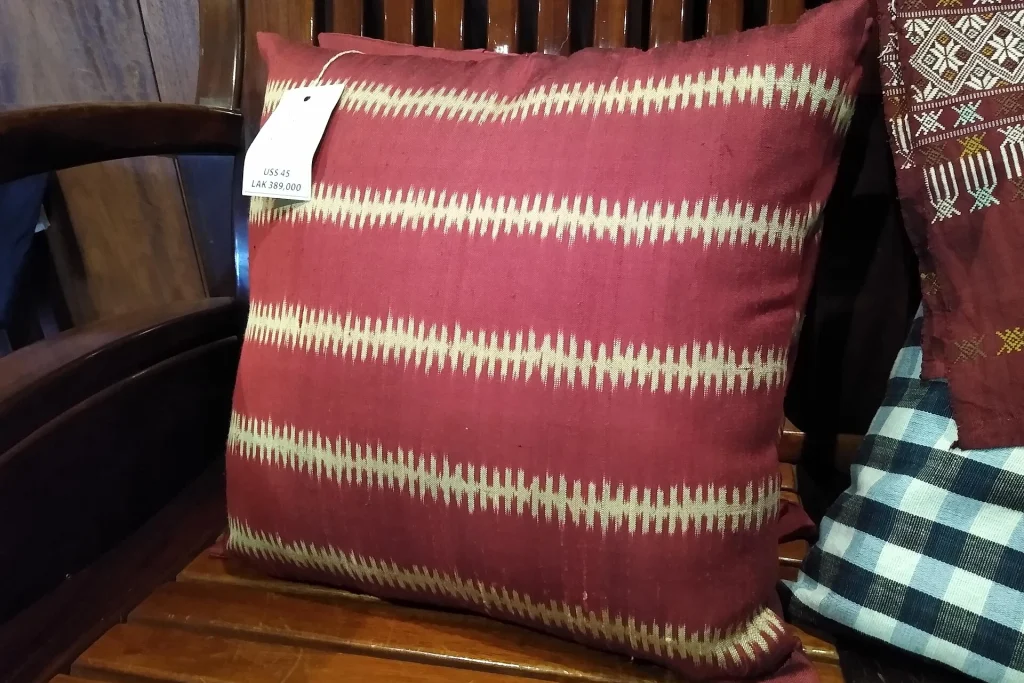
Buying a Textile Souvenir: Record the Material and Care Details Before You Leave
A beautiful textile needs more than a place in your suitcase. Capture its stated material, measurements, care instructions and maker details while you…