What to Do Before Hotel Check-In With Your Suitcase
Plan lunch with your case beside you, then make a nearby walk optional. A worked arrival window shows what to drop if the meal runs late.
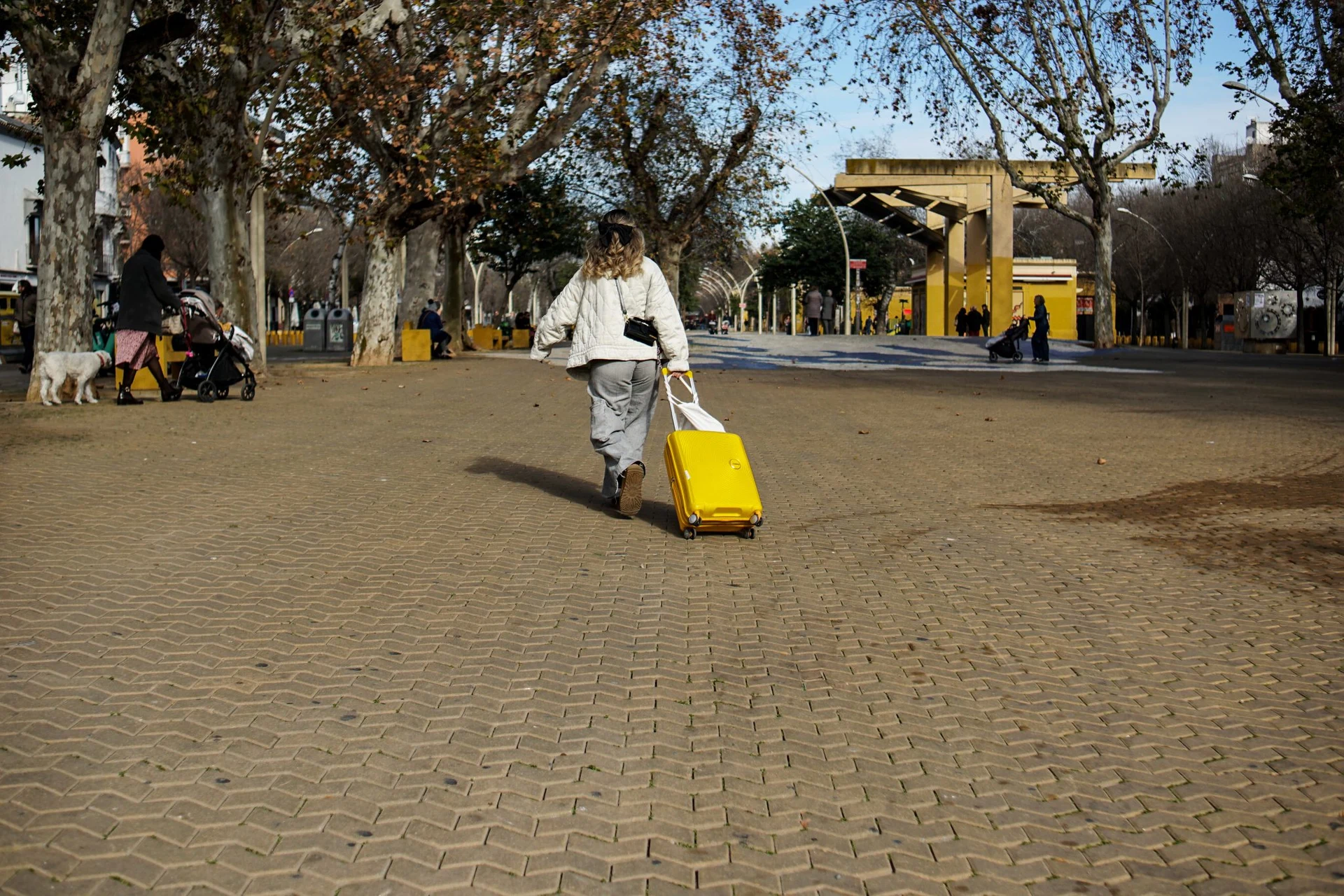
If you arrive at 11.30 and hotel check-in starts at 15.00, build the gap around lunch with your suitcase beside you. Add a nearby walk only if there is time. That gives you a worthwhile stop even if you keep the case with you throughout.
Choose the lunch stop along your route towards the hotel, then set a departure time using your onward journey. The walk fits around that departure; it does not determine it.
Find a lunch stop that works with the case
Before committing to a table, ask whether you can keep your suitcase beside you. Check the space at the actual seat: the case needs to leave doors, aisles and neighbouring chairs clear. A spacious-looking dining room does not establish whether your table has room for luggage.
Choose somewhere you want to eat, rather than adding a meal solely to fill time. If lunch becomes the whole pre-check-in outing, it should still be a stop you would have chosen.
Keep your wallet and anything else you need for the meal accessible without opening the case. If the first café cannot accommodate it, try another stop or head towards the hotel; leave the optional walk out while you rearrange lunch.
A worked arrival window
The following schedule is hypothetical. Replace its journey allowances with timings for your route, and use the check-in time stated in your booking.
- 11.30–12.00: travel from your arrival point to the lunch area.
- 12.00–13.15: have lunch.
- 13.15–14.00: take an optional nearby walk.
- 14.00–14.45: travel to the hotel.
- 14.45–15.00: leave a spare quarter-hour before check-in begins.
Give the walk one destination, such as a nearby square, with a return route that fits the available time. Choose a route you are willing to cover with the case in the weather on the day. You could photograph a place through its details without adding another indoor stop.
Shorten the outing without moving the departure
If lunch ends at 14.00 rather than 13.15, omit the walk and leave for the hotel. The example still retains its 45-minute journey allowance and spare quarter-hour.
If lunch ends at 13.40, you have twenty minutes before departure. Choose a brief look at the immediate street or leave early; do not attempt the original 45-minute route.
Save three lines on your phone: lunch location, optional walk and hotel route. Beside the hotel route, write the departure time. After the bill arrives, that is the time to compare with the clock.
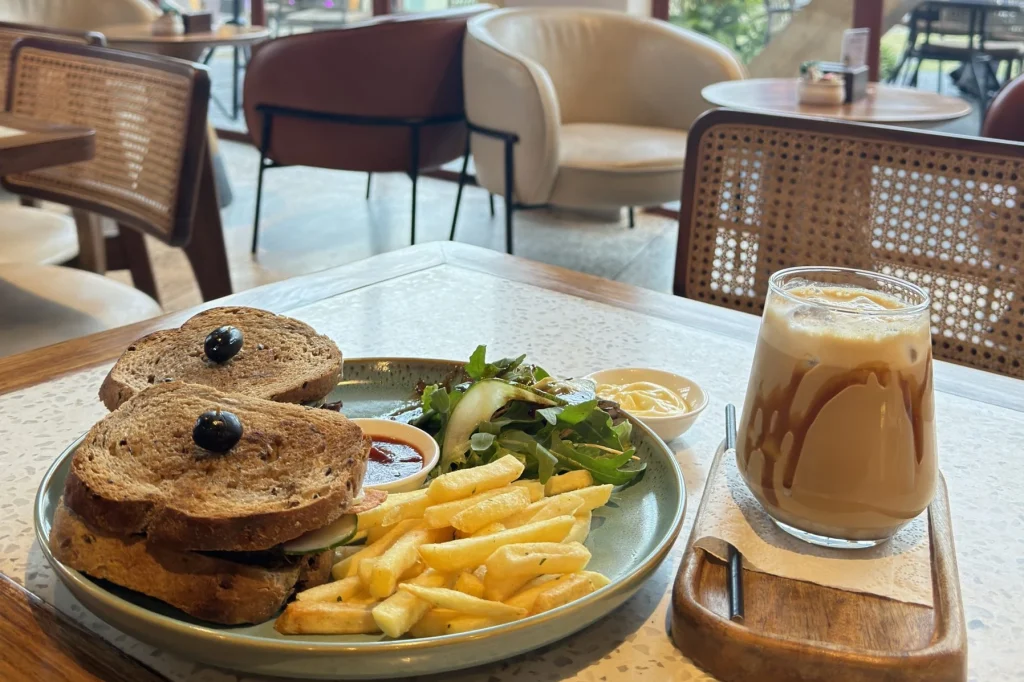
Where to Put Lunch in a Two-Neighbourhood City Break
Compare two bookshop-and-gallery schedules that give an extra 45 minutes to different neighbourhoods, then see how each handles a longer lunch.
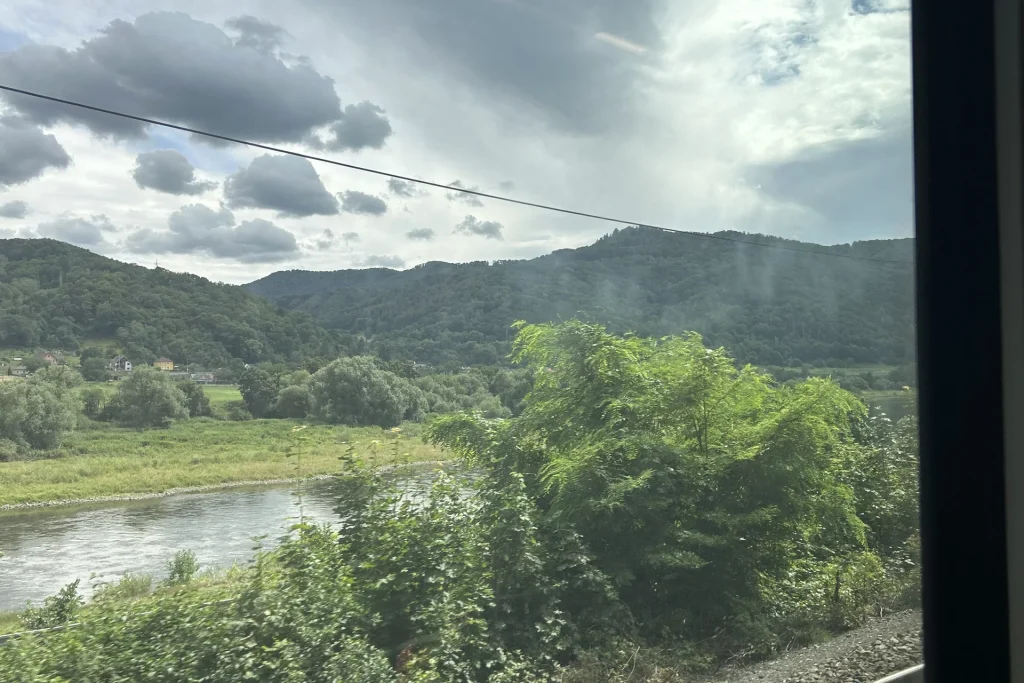
How to Use a Map to Choose a River-Facing Train Window
Follow an invented railway through two bends to work out which side faces the river. Then reverse the journey and calculate the return…
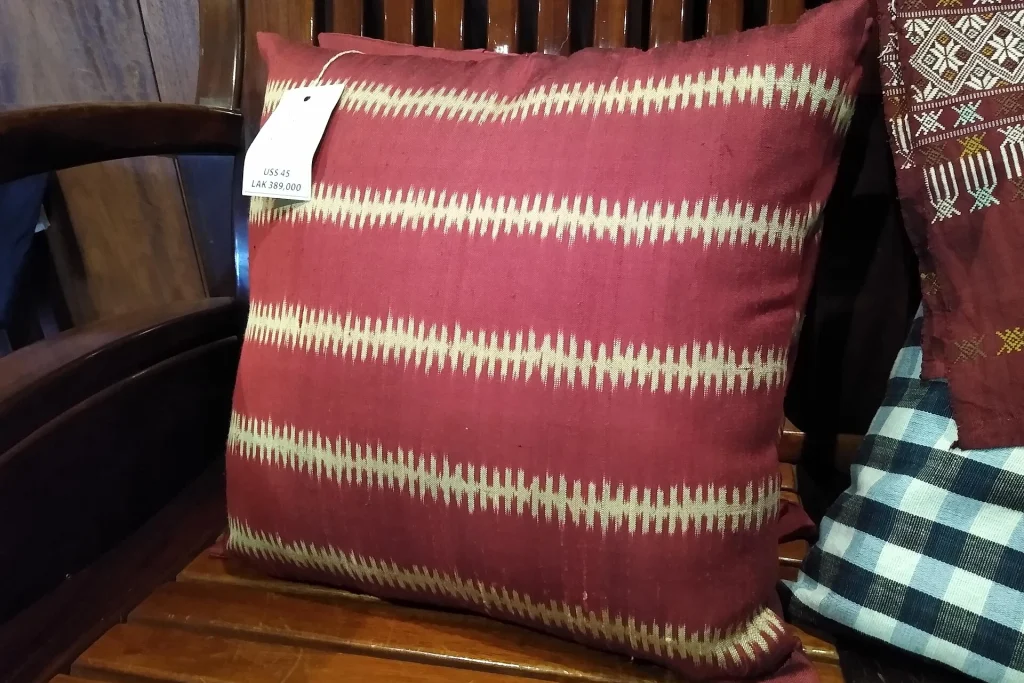
Buying a Textile Souvenir: Record the Material and Care Details Before You Leave
A beautiful textile needs more than a place in your suitcase. Capture its stated material, measurements, care instructions and maker details while you…