Which Side of a Decorative Jug Should Face Out?
Compare the painted side, handle profile and a position between them. A floral-jug example helps you choose what to show when every detail cannot face the room.
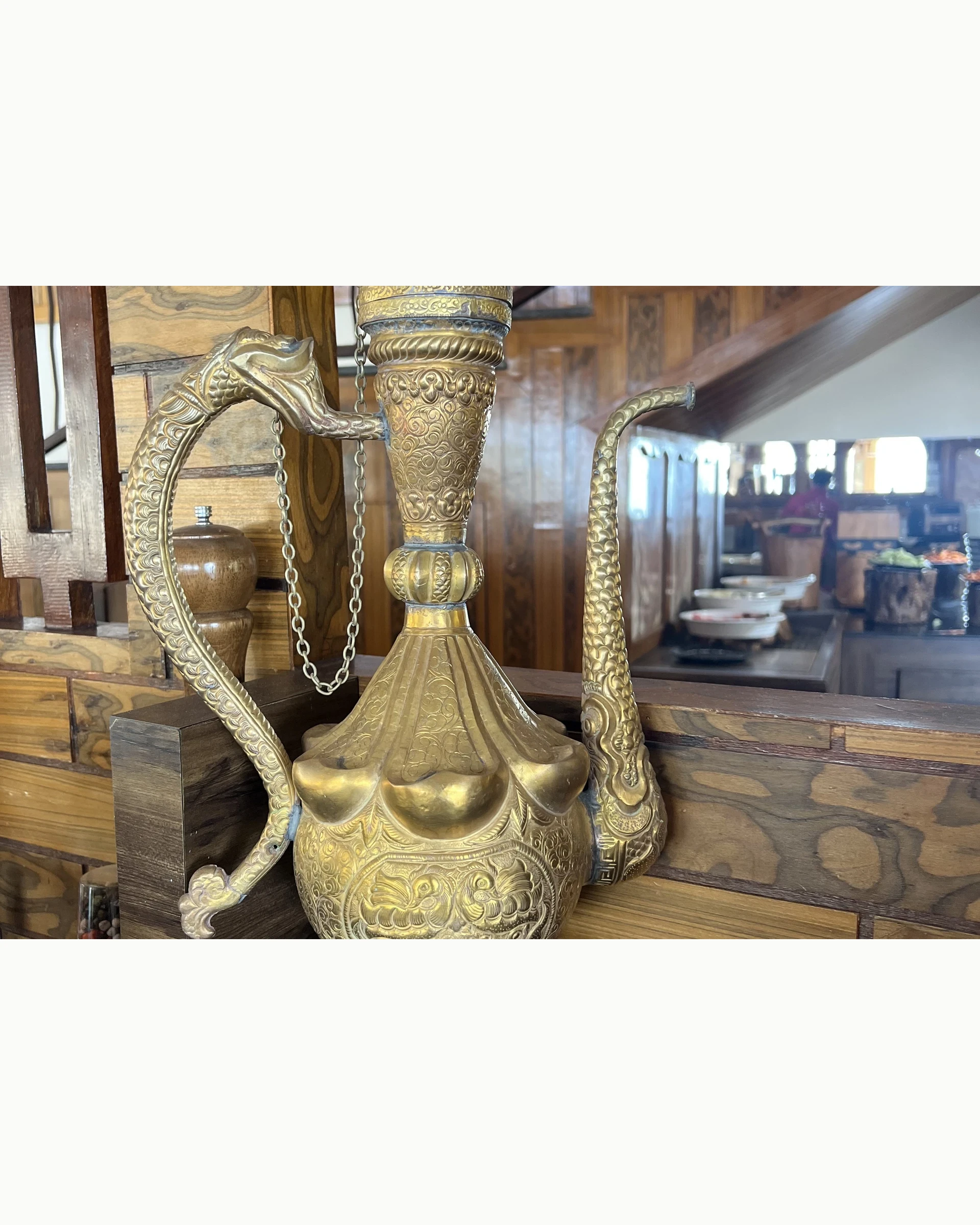
If the painted flower is what you love about a jug, start with the flower facing your usual seat. Then turn the jug a little towards its handle. Keep that position if it reveals the handle without hiding the part of the painting you want to see; otherwise, let the flower take priority.
The sideboard’s front edge need not determine the angle. Choose a viewing point first: the armchair opposite, for example, or the doorway from which you usually see the display.
Compare three positions in the same spot
Leave the jug in one place on the surface and rotate it through these positions. Return to your chosen viewing point after each adjustment. Optional photographs taken from that same point can help you compare the alternatives.
- Painted side forwards. Show the main flower, bird or scene as fully as you want. Use this as your reference for the decoration you would lose by turning the jug.
- Handle in profile. Turn until you can distinguish the handle’s curve and the opening inside it. Check whether this also gives you a view of the spout that you like.
- Partway between. Turn back towards the painted side. Stop where you can still recognise the motif and see enough of the handle to enjoy its shape.
There is no set angle to reproduce. Depending on where the painting sits, the third position may offer a useful compromise or leave neither feature well shown.
Decide which part of the painting matters
Imagine a cream jug with a blue flower on one side. Suppose the full flower faces the armchair when the handle is mostly hidden. As you turn the handle into view, the flower moves towards the edge of the visible surface.
Try keeping the flower’s centre and main petals visible while allowing a few leaves to turn out of sight. If that also reveals the handle opening, you have a position worth considering. If the flower’s centre disappears before you like the handle’s outline, return to the full-flower view—or choose the handle deliberately. You do not have to give both equal prominence.
Check whether a neighbour is hiding the handle
Before sacrificing more of the painting, temporarily move any nearby candlestick, book stack or ornament aside. If this reveals the handle, adjust that neighbour’s position instead of turning the jug further.
The related guide to leaving deliberate empty space on a shelf addresses spacing across a wider display. Here, use a gap specifically to keep the jug’s chosen outline clear.
Return to your usual viewing point and settle on one result: the painting fully shown, the handle in profile, or a position that preserves the parts you value in both.
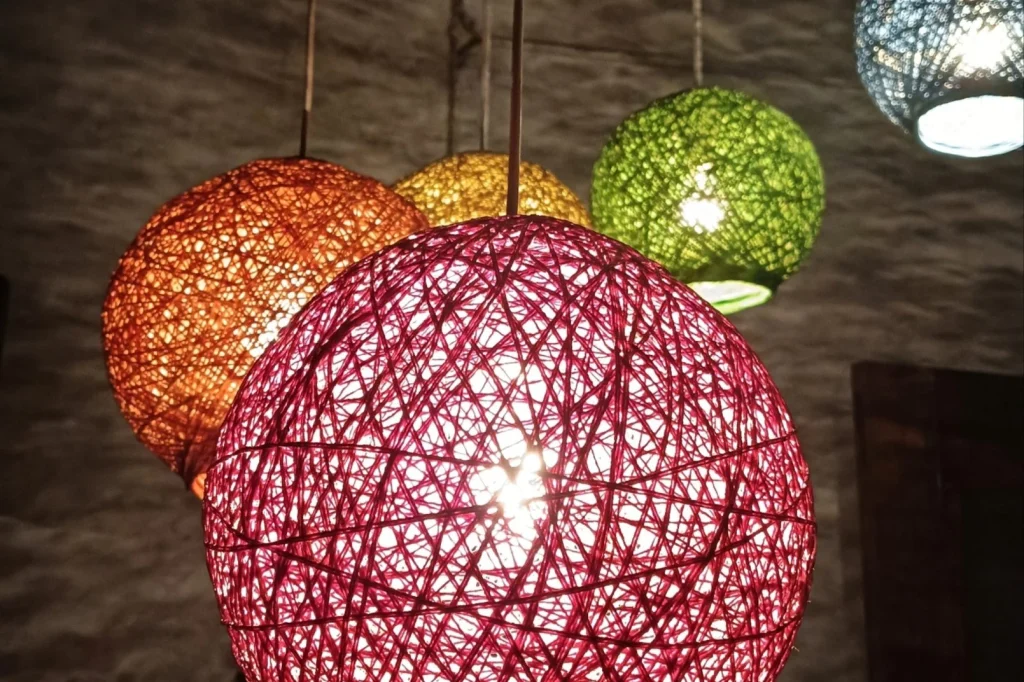
Colorful Christmas Decor Without Changing Your Whole Interior
Introducing bright holiday color into a neutral or curated room works like styling a wardrobe: repeat a single accent shade across a few…
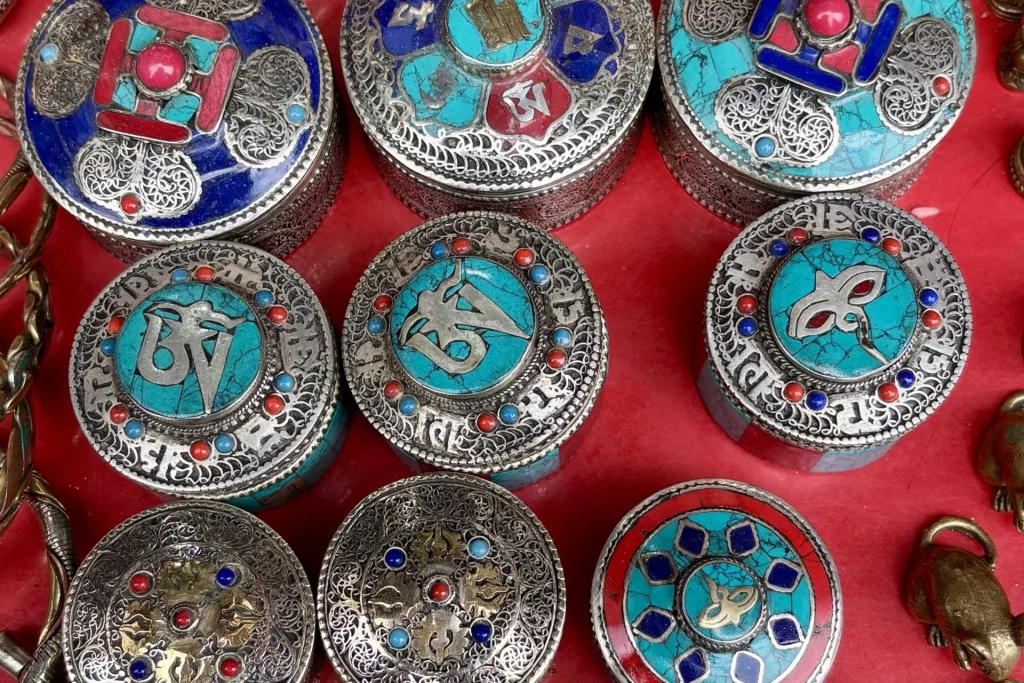
Arrange an Accessory Tray Around the Pieces You Reach for First
Give everyday accessories distinct places instead of letting them collect in one dish. This reach-first layout uses separate zones, a simple retrieval test…
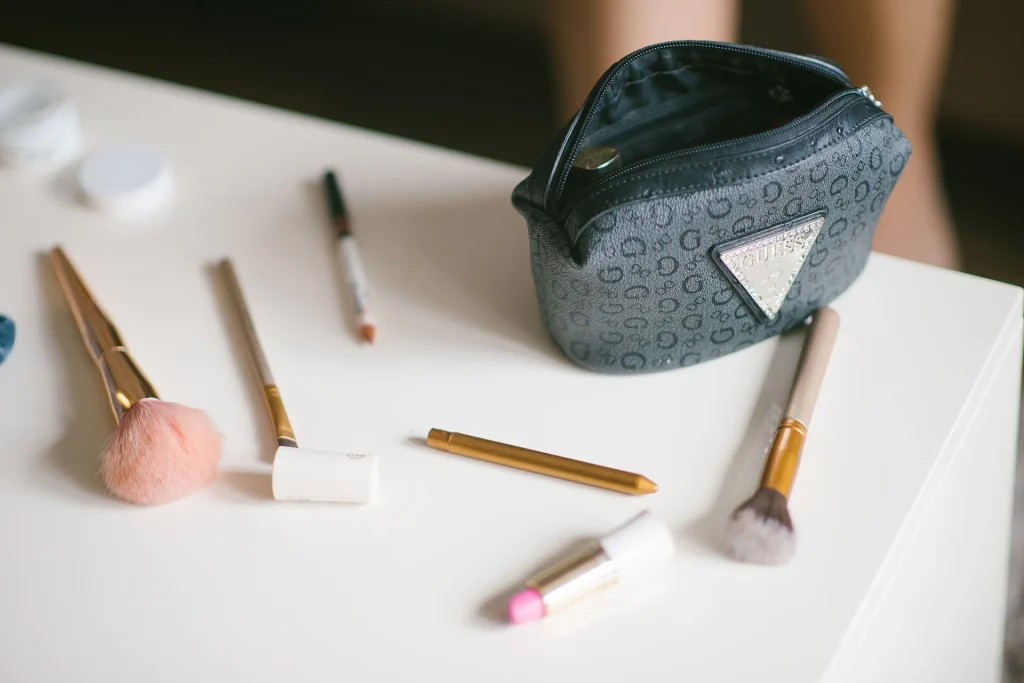
Set Up a Getting-Ready Surface That Clears Away After Use
A shared table can serve as a temporary getting-ready spot if the whole setup has somewhere to go afterward. Build a portable tray,…