How to Compare Heel Movement in Two Pairs of Loafers
Walk in both pairs with your intended socks, then compare heel movement, comfort and any adjustments you make to keep the shoes on.

Try both loafers in pair A, walk a short indoor route, then repeat in pair B with the same socks. Notice whether your heel rises inside each shoe and whether you adjust your step to keep it on. Those observations give you something more useful to compare than how the shoes look while you stand.
Keep the comparison consistent
Wear the socks you plan to wear with the loafers. Choose a clear indoor stretch where you can walk at your usual pace, turn and come back. Follow the retailer’s try-on conditions if you are considering a purchase.
Wear a complete pair for each walk so you can record what happens on both feet in each option. Walk in pair A, then pair B, without changing your socks or route. Try A again if you are unsure which you preferred.
Notice what you do to keep them on
During each walk, pay attention to when your heel lifts within the opening and when the shoe follows your foot. Then note whether the shoe settles back into place or you have to adjust it.
Use a brief note for each pair: left heel, right heel, adjustments and comfort elsewhere. For example, ‘right heel lifts; shortened my step twice; pressure across the top’ records a more specific experience than ‘slightly loose’.
Take an ordinary walking pass before looking more closely at the heel. If you need to inspect the movement, stop or make a separate slower pass rather than watching your feet throughout.
Use the result to choose
Suppose pair A leaves a visible gap at the heel, but you finish the route without adjusting either shoe. In pair B, you repeatedly shorten your step to keep the right loafer on. In this example, A requires less attention while walking.
If A also presses uncomfortably across the top of your foot, neither pair needs to win. Try another option rather than choosing solely by the amount of visible heel movement. This comparison sets no numerical allowance and offers no prediction about how either pair will change with wear.
If you want to try another size, compare the purchase options using our guide to shoe exchange and reorder costs. Keep your walking notes so you can compare the next pair against what you have already tried.

Make a Personal Length Reference Card for Tops, Jackets and Skirts
Measure a favourite top, jacket and skirt using clearly recorded starting points. Turn the results into a pocket reference card with sketches and…
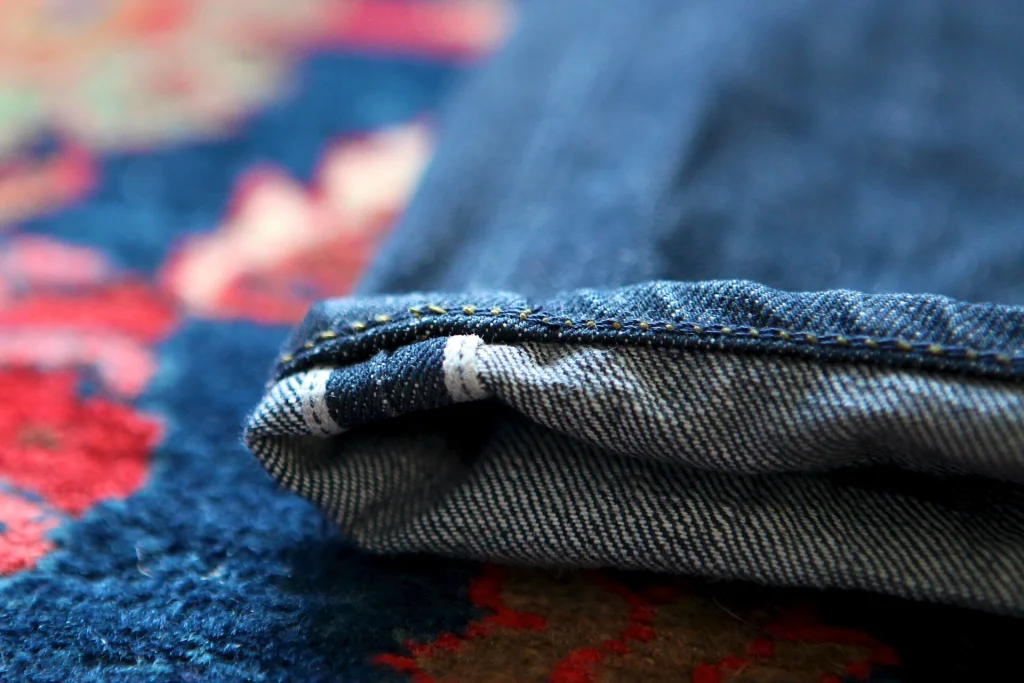
Raw and Selvedge Denim: What Each Label Actually Means
Raw describes unwashed denim; selvedge describes construction. Read three fictional jeans descriptions to separate those features from questions about fit, pre-shrinking and care.
Hang or Fold? Choose Storage by Garment Structure
Use four everyday garments to make a practical storage plan. Check weight, stretch, shoulder shape and your tolerance for creases, then give each…