How to Check Whether a Museum Object Is on Display
Two fictional brooch records show the difference between a collection name and a display location. Use the exact object number and a short enquiry to check your planned visit.
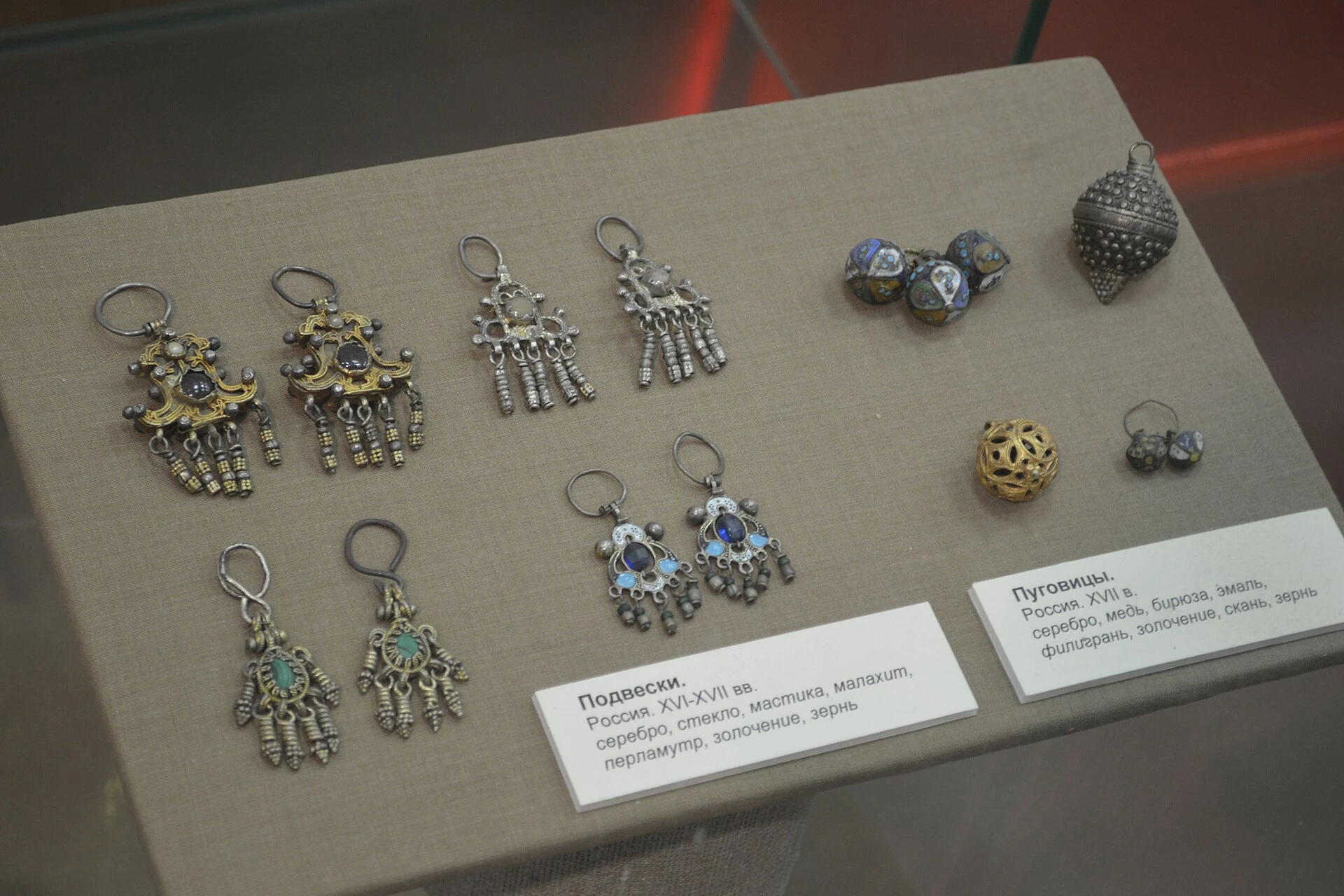

“Decorative Arts collection” does not tell you where to see a brooch. “On display: Gallery 4, case 6” gives you a visitor location. When a particular object is the reason for your trip, look for that explicit display information, then ask the museum about your planned date.
The two fictional records below show the distinction. All object details, catalogue numbers and locations in this example are invented.
Read the display field for the exact object
| Record detail | Brooch A | Brooch B |
|---|---|---|
| Object | Silver brooch with leaf motif | Silver brooch with leaf motif |
| Catalogue number | EXAMPLE-A-014 | EXAMPLE-B-027 |
| Collection | Decorative Arts | Decorative Arts |
| Display information | On display: Gallery 4, case 6 | No display information given |
Brooch A’s record says it is on display and names a location. Brooch B’s record leaves the display question unanswered. Nothing in that second entry establishes either that you can see it or that it is in storage.
Keep the wording attached to its field. In this example, “Decorative Arts” identifies the collection; it is not presented as a public gallery. If a real record uses a location term you cannot interpret, quote it in your enquiry.
Identify the object before asking
Copy the object title, catalogue number and page link. The two brooches here share a title, so “the silver leaf brooch” would leave room for confusion. EXAMPLE-B-027 identifies which of the pair you mean.
Also check whether the display information refers to an exhibition with stated dates. A mention of a past exhibition would not answer whether you can see the object on your intended visit.
Send a date-specific enquiry
Use the museum’s published contact route. For Brooch B, adapt this message, replacing the example date and object details with your own:
Hello, I am planning to visit on [day, month and year] and would particularly like to see Silver brooch with leaf motif, catalogue number EXAMPLE-B-027. The object page is [paste link]. Is it expected to be on public display that day? If so, could you tell me the gallery or exhibition and whether I need a separate ticket or appointment to see it? Thank you.
For Brooch A, replace the display question with: “The record lists Gallery 4, case 6. Could you confirm whether it is expected to be there on my visit date?”
Use the reply to plan the visit
A reply identifying the exact object, your date and a public viewing location gives you the information you asked for. A reply saying only that it belongs to the Decorative Arts collection still leaves the viewing question open. Follow up on that missing point before making the object the centre of your trip.
Once you have a location and access details, use them to plan a visit centred on one museum object, starting with the gallery or exhibition named in the reply.
Where to Put Lunch in a Two-Neighbourhood City Break
Compare two bookshop-and-gallery schedules that give an extra 45 minutes to different neighbourhoods, then see how each handles a longer lunch.
How to Use a Map to Choose a River-Facing Train Window
Follow an invented railway through two bends to work out which side faces the river. Then reverse the journey and calculate the return…
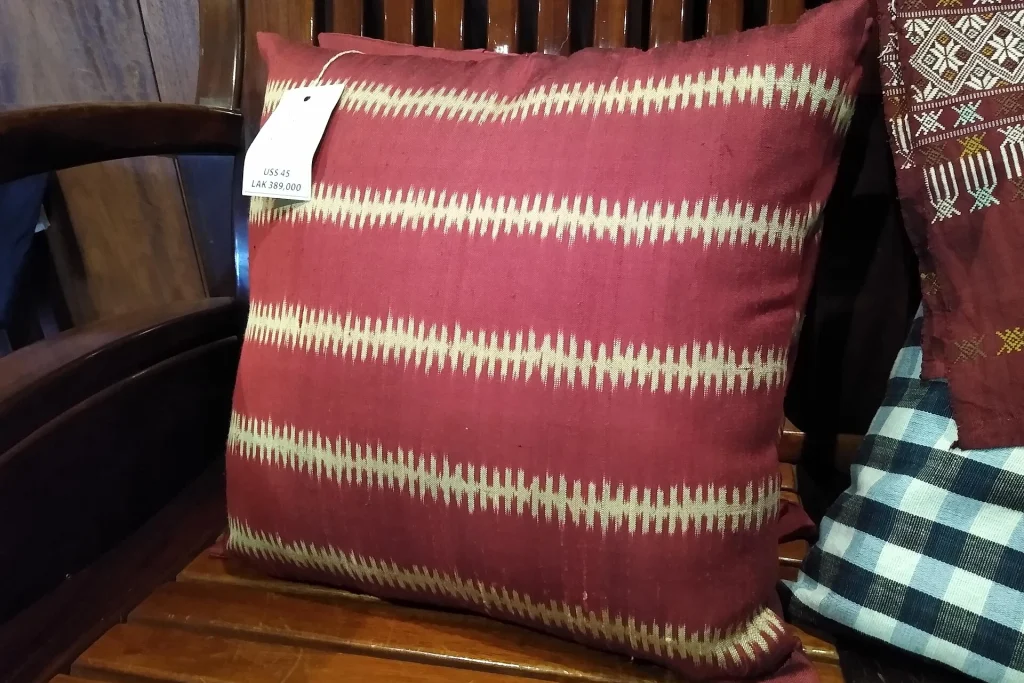
Buying a Textile Souvenir: Record the Material and Care Details Before You Leave
A beautiful textile needs more than a place in your suitcase. Capture its stated material, measurements, care instructions and maker details while you…