What a Curtain Sample Can Tell You About Privacy
Compare one curtain sample at your window with the room lights off and on. Record visible detail, then use the result to ask about the complete curtain.
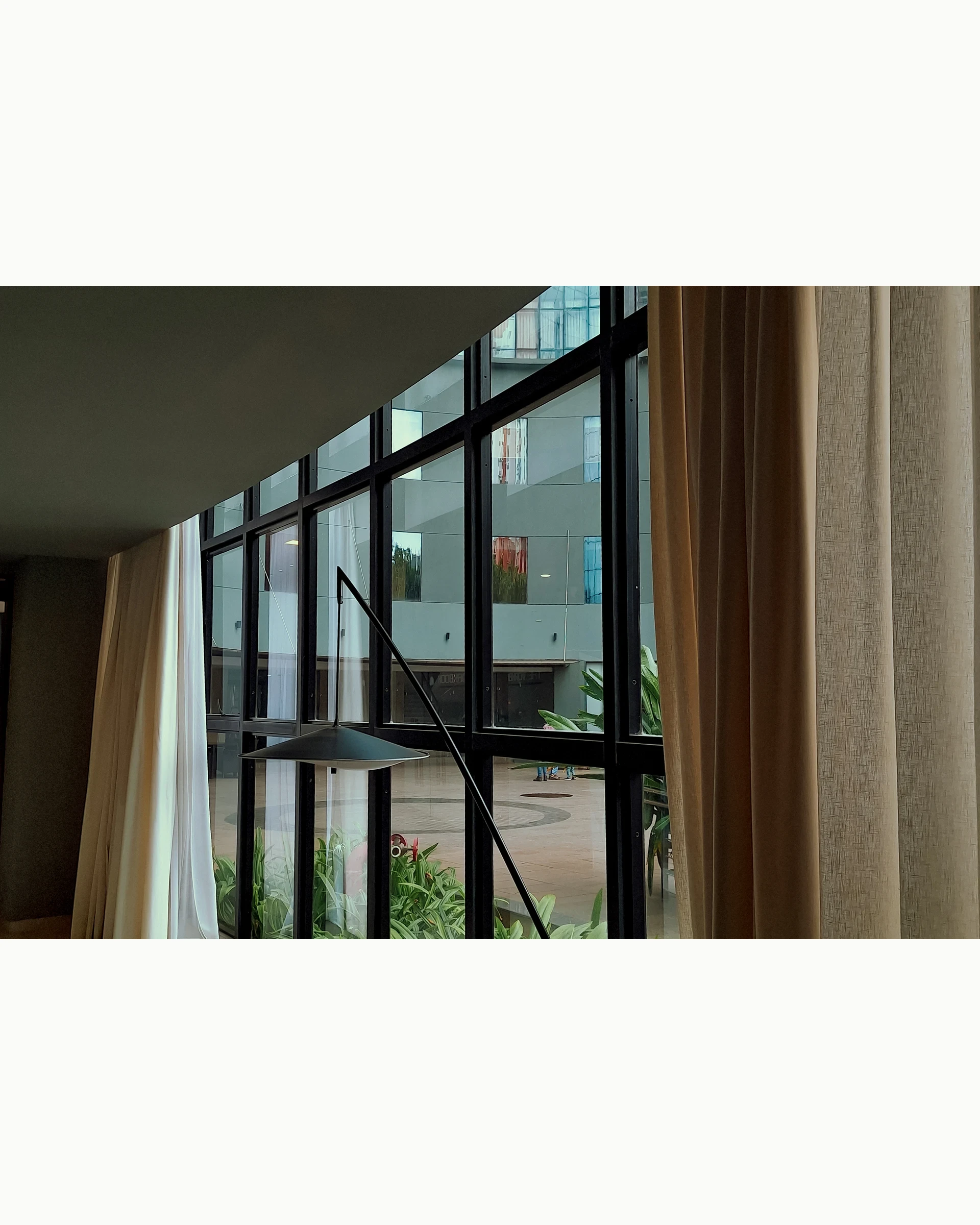
“I can see the chair’s outline, but not the objects on the table” is a useful curtain-shopping note. It describes what you could distinguish through a particular sample, rather than calling the fabric simply private or transparent.
Try the same sample at your intended window with the room lights off and on. This gives you a comparison through one covered patch; the complete curtain and its coverage remain a separate question.
Set up one view and change the room light
Use a window you can view from an accessible place outside, such as your own path or garden. Choose a position where someone might ordinarily stand. If you cannot reach a suitable viewing spot safely and with permission, ask the retailer about another way to assess a larger sample.
Have someone hold the sample in a fixed position at the window, with their hands outside the area you will look through. Choose an object behind that patch, such as a chair or table, that you can use as a reference.
- Look through the covered patch from your chosen outside position with the room lights off.
- Ask your helper to switch the room lights on without moving the sample.
- Look again from the same position and record what you can distinguish.
Make the two observations close together in time. Write down the time and whether it is light or dark outside. If your privacy concern is specifically about evenings, make the comparison then.
Record detail rather than a verdict
For each view, note whether you can distinguish colour, an outline or recognisable detail. You could write: “Lights off: indistinct colour. Lights on: chair back and legs recognisable.” This is an example of a note, not a predicted result.
Decide what you want concealed before interpreting your observations. If you want furniture outlines hidden, a view in which you recognise the chair would not meet that requirement. If the result is acceptable, keep the note tied to the window, viewing position and conditions you tried.
Ask about what your sample did not include
Assess only the patch covered by the sample. The uncovered glass beside it tells you nothing about the view through the fabric. If the swatch is too small to give you a usable view, request a larger piece.
Your setup also leaves out full hanging panels, folds and the intended coverage at the sides, centre, top and bottom. If you plan to use lining, ask for a sample of that combination rather than drawing a conclusion from the unlined fabric.
Take your observation note to the retailer with a specific request: “I want furniture outlines concealed when the room lights are on in the evening. Can I assess a larger sample of the proposed fabric and lining, and discuss how the panels will cover this window?” That gives the next conversation a clear requirement without treating the small sample as proof of the finished result.

Calculate Cost per Wear From Actual Wears, Not Optimistic Predictions
Calculate what a garment has cost per wear so far using recorded spending and logged use. A worked example shows how to include…
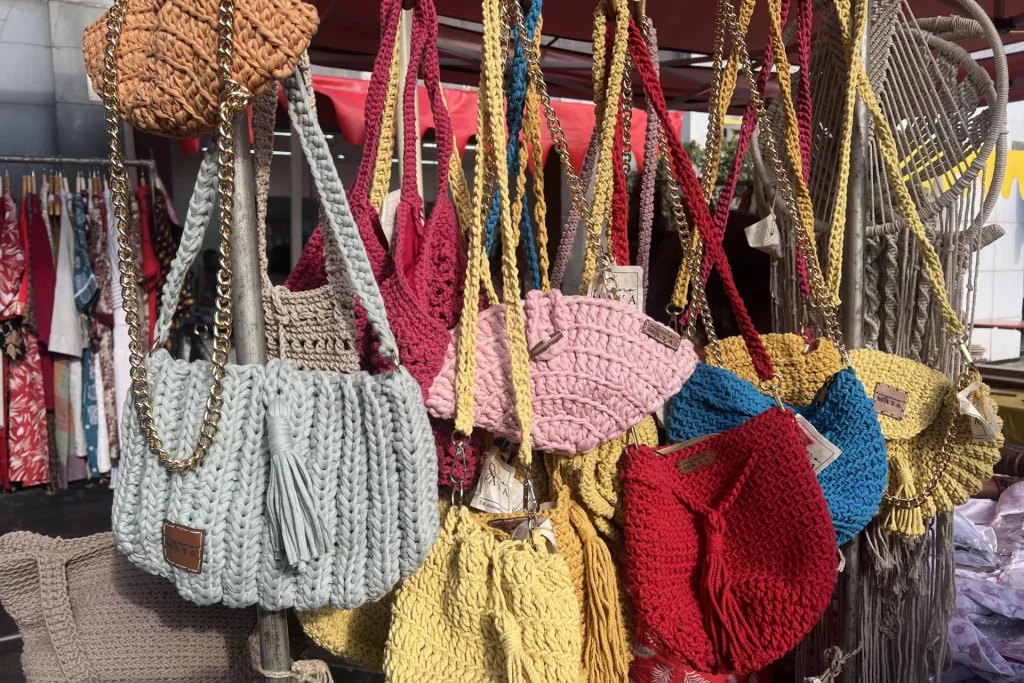
When to Buy a Handbag This Holiday Season: Price Versus Choice
Timing a holiday handbag purchase comes down to whether you care more about getting a specific color and silhouette or catching a steeper…
How to Review an Uncomfortable Outfit After Wearing It
An outfit that felt wrong all day deserves a closer look. Use a short activity timeline to separate movement, temperature, carrying needs and…