Three Train-Journey Projects With a Clear Place to Pause
Connect three lines in a poem, draft a two-sentence postcard or mark up one guidebook page. Each project includes a small output and an exact instruction for restarting.
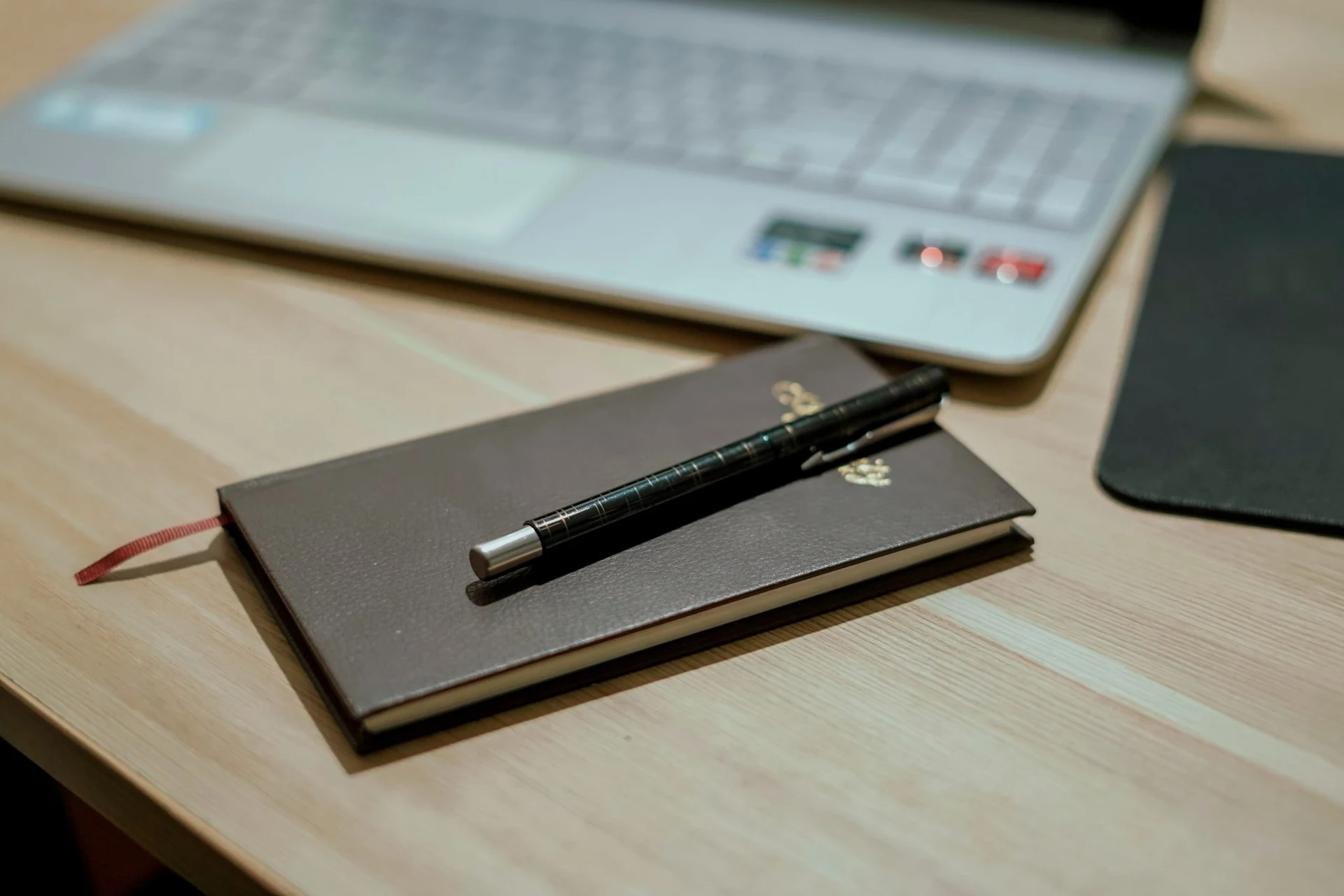
‘Find two more lines.’ ‘Write why I thought of you.’ ‘Choose one place to leave out.’ A short instruction like this gives an unfinished train project a specific next step when you pick it up again.
Try one of the three activities below with a pencil, a slip of paper and the relevant book or card. Each has a small finished result, plus a place to pause if you need to pack away sooner.
A poem: connect three lines
Choose a poem and find three lines connected by something you notice: a repeated sound, a description of one place or a change in mood. On a separate slip, record the page and line numbers, then add a phrase naming the connection.
A note might read: ‘Page 12, lines 2, 5 and 8: the sounds become quieter.’ This is an example of the note’s format, not a description of a particular poem. Your finished result is three selected lines and one phrase explaining why you grouped them.
Pause after one line: bookmark the page and write ‘find two more lines connected by sound’ on the slip, substituting your chosen connection. When you return, continue that selection rather than starting the whole poem again.
A postcard: give two sentences different jobs
Draft the first sentence about one concrete detail from your journey. Use the second to connect that detail to the recipient. For example: ‘From the window, the fields looked almost silver in the rain. I thought you would have enjoyed that view.’ Replace this sample with something you actually noticed and want to share.
If you are still waiting for a detail, write ‘From the window, I noticed ___’ on scrap paper. Draft there first, then copy the two sentences onto the postcard when you are happy with them.
Pause after sentence one: leave ‘next: why this made me think of you’ beneath it on the scrap. That is the job of the remaining sentence; you do not need to invent a new subject when you resume.
A city guide: make a three-mark selection
Choose one page covering a neighbourhood or several places. On a slip headed with the page number, list three entries and give each a different mark:
- Star: the place that interests you most.
- Question mark: something to resolve, such as whether a visit fits before an existing booking.
- Dash: a place you are willing to leave for another trip.
Your finished result is a preference, an unanswered question and an omission. For a later planning session, the question can lead into choosing a gallery visit order around one timed booking.
Pause after any mark: bookmark the page and name the missing choice on the slip: ‘next: choose one place to leave out’, for example. Leave questions about timings or availability unresolved until you have checked the relevant information.
Where to Put Lunch in a Two-Neighbourhood City Break
Compare two bookshop-and-gallery schedules that give an extra 45 minutes to different neighbourhoods, then see how each handles a longer lunch.
How to Use a Map to Choose a River-Facing Train Window
Follow an invented railway through two bends to work out which side faces the river. Then reverse the journey and calculate the return…
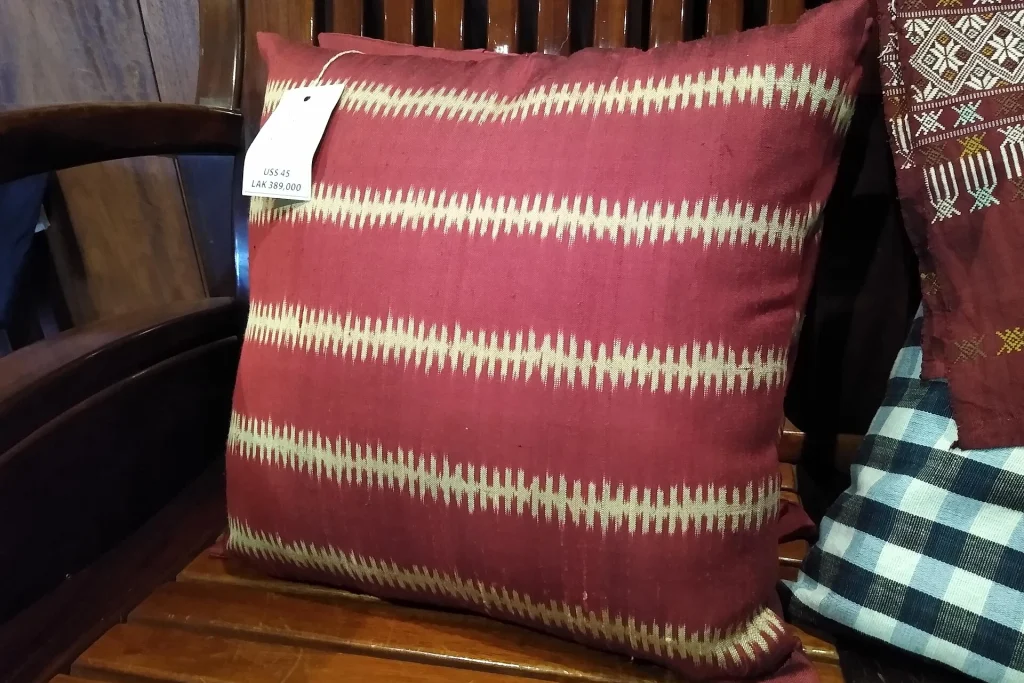
Buying a Textile Souvenir: Record the Material and Care Details Before You Leave
A beautiful textile needs more than a place in your suitcase. Capture its stated material, measurements, care instructions and maker details while you…