Lining or Underlining? Identify the Layer Inside a Dress
A separate lining and a backing joined to the dress fabric are different constructions. Look at accessible edges before deciding what a visible layer means for you.

Two dresses show a pale strip inside the hem. In one, you can gently lift a separate inner skirt away from the outer fabric. In the other, the accessible fabric pieces have a backing joined to them. That difference is worth understanding before you describe either strip as a lining that needs shortening.
Separate lining or attached backing?
In Brooks Ann Camper’s explanation for Seamwork, a lining is made separately and attached inside the garment, with much of it hanging freely and enclosing the internal construction. Underlining is backing joined to individual outer-fabric pieces so each pair is handled as one during construction. It does not enclose the seams. A dress can have both.
Those definitions give you a useful distinction, but an unfamiliar edge alone may not tell you which construction you have.
Look at what is accessible
Start inside the skirt, where you can see the hem and nearby seams. Gently separate any freely hanging layers without tugging at their attachments. Look for an inner skirt with its own edge, then see whether you can follow it upwards as a separate layer.
If the accessible outer-fabric pieces have backing attached to them and their seams remain visible, that is consistent with underlining. If the relevant joins are hidden, leave the identification open. There is no need to unpick anything to make a shopping decision.
Choose the appearance you want
Imagine choosing between two otherwise appealing dresses. Dress A has a separate lining whose edge shows while you stand. Dress B has backed outer fabric, with no separate inner skirt visible in the area you can inspect. You prefer B’s visible hem, but that does not establish that A is incorrectly made.
Try sitting and making a gentle turn in each. Check whether you are comfortable with the coverage and any inner layer that appears. A brief glimpse during movement might suit you; a visible strip at rest might not. Make that preference part of the purchase decision.
For a dress you already own, ask: ‘This separate inner edge shows at the front while I stand. I would like it concealed. Is that feasible?’ Take the dress to the appointment. The answer needs an assessment of the actual garment before you choose an alteration.

Make a Personal Length Reference Card for Tops, Jackets and Skirts
Measure a favourite top, jacket and skirt using clearly recorded starting points. Turn the results into a pocket reference card with sketches and…
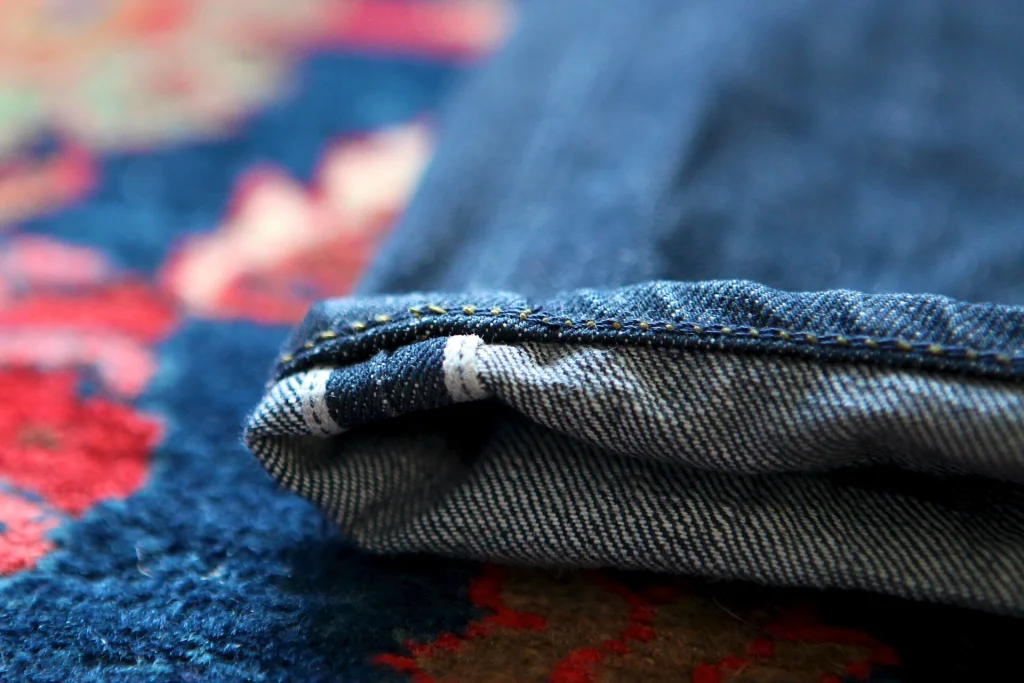
Raw and Selvedge Denim: What Each Label Actually Means
Raw describes unwashed denim; selvedge describes construction. Read three fictional jeans descriptions to separate those features from questions about fit, pre-shrinking and care.
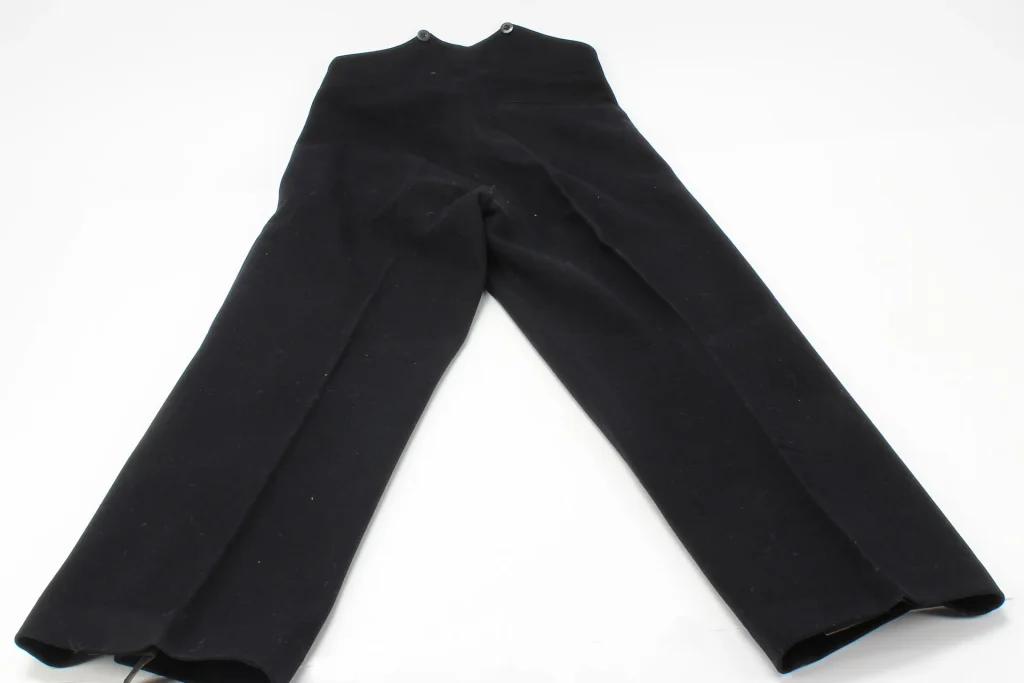
Hang or Fold? Choose Storage by Garment Structure
Use four everyday garments to make a practical storage plan. Check weight, stretch, shoulder shape and your tolerance for creases, then give each…