Which Way Should an Armchair Face in a Bay Window?
Compare a window-facing, sofa-facing and diagonal position in one example room, then choose which view you want ahead of you when you sit down.
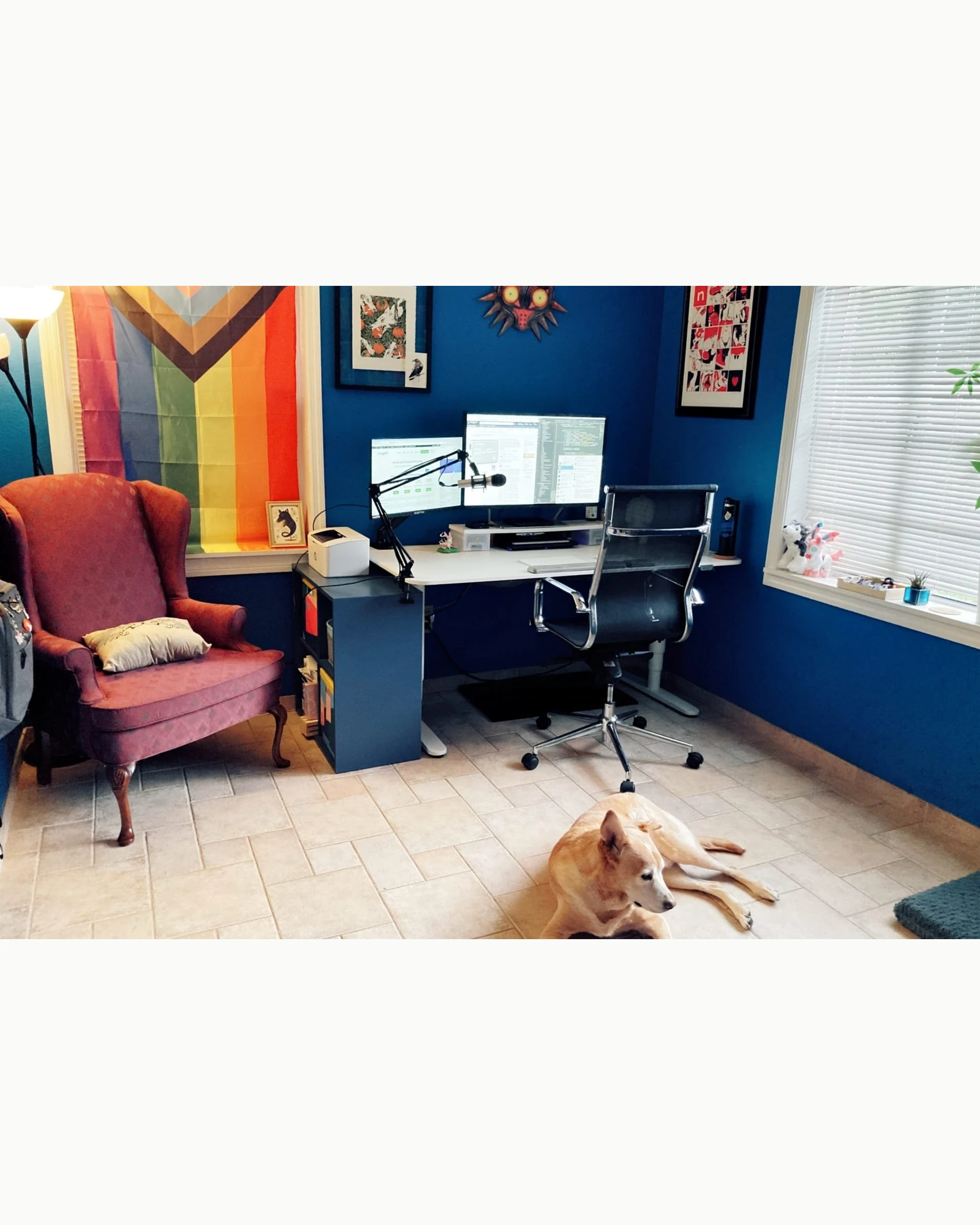
Try a diagonal position first if you want to enjoy the window and talk to someone on the sofa. Treat it as a starting point: where the sofa sits will determine whether that angle gives you both views comfortably.
Give the comparison a fixed starting point
Imagine a bay at the far end of a sitting room. A sofa stands along the right-hand wall, between the bay and the room entrance. The armchair sits inside the bay. When the chair faces straight out of the window, the sofa is behind and to the sitter’s right.
Keep the sofa in place and compare three chair directions. There is no need to photograph every arrangement, but if you do, use the same doorway position for the room views. Take a separate photograph from seated eye level to record what lies ahead of the sitter.
Facing the window: give the outlook priority
The view is straight ahead; the sofa is behind your right shoulder in this example. This position suits a seat whose main purpose is looking outside.
To speak face to face with someone on the sofa, you would need to turn towards them. Try that while sitting back in the chair. If you find yourself repeatedly shifting sideways, decide whether the uninterrupted outlook matters enough to keep this direction.
Facing the sofa: make conversation the starting position
Turn the chair towards the sofa. You now face the other seat, while the window sits to one side or behind you, depending on the angle.
This puts conversation first. The tradeoff is that looking outside becomes a deliberate turn away from the room. Use this arrangement if you mainly want the chair to be another place for someone to join the group.
Facing diagonally: choose what stays in view
From the window-facing position, turn the chair partway towards the sofa. Sit down before turning it further. Can you look towards the person on the sofa while keeping your back against the chair? Can you still see the part of the outlook you care about?
For example, you might prefer to keep a garden tree beside you rather than preserve the whole window straight ahead. That gives you a specific view to retain as you turn towards the room. No exact angle is required.
Keep the position that serves your usual use
Ask someone to sit on the sofa while you try the preferred angle. Look outside, exchange a few sentences, then stand up and leave the seat. Include space for your feet and access to the curtains in the final arrangement.
If the diagonal position still makes conversation awkward, turn further towards the sofa. If the chair is chiefly your quiet window seat, turn back towards the outlook. Choose which activity deserves the straight-ahead view.

Colorful Christmas Decor Without Changing Your Whole Interior
Introducing bright holiday color into a neutral or curated room works like styling a wardrobe: repeat a single accent shade across a few…

Arrange an Accessory Tray Around the Pieces You Reach for First
Give everyday accessories distinct places instead of letting them collect in one dish. This reach-first layout uses separate zones, a simple retrieval test…
Set Up a Getting-Ready Surface That Clears Away After Use
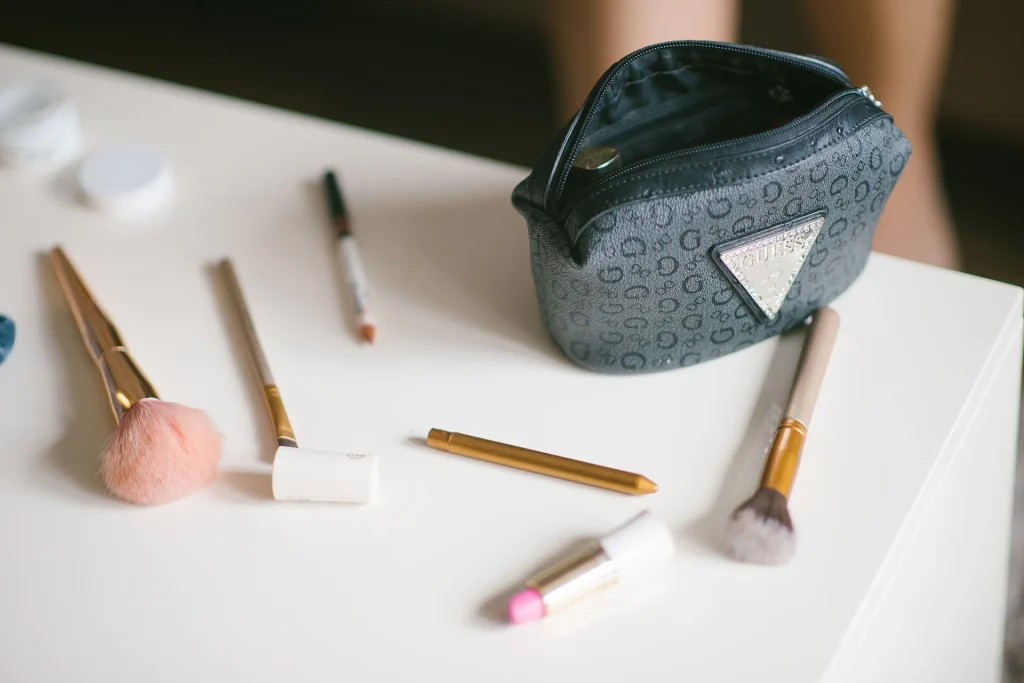
A shared table can serve as a temporary getting-ready spot if the whole setup has somewhere to go afterward. Build a portable tray,…