Do You Need Another Serving Bowl? Lay Out Two Meals First
Lay out empty dishes for two meals you actually serve. A worked example shows how moving bread to a platter frees a bowl, and how to describe any gap that remains.
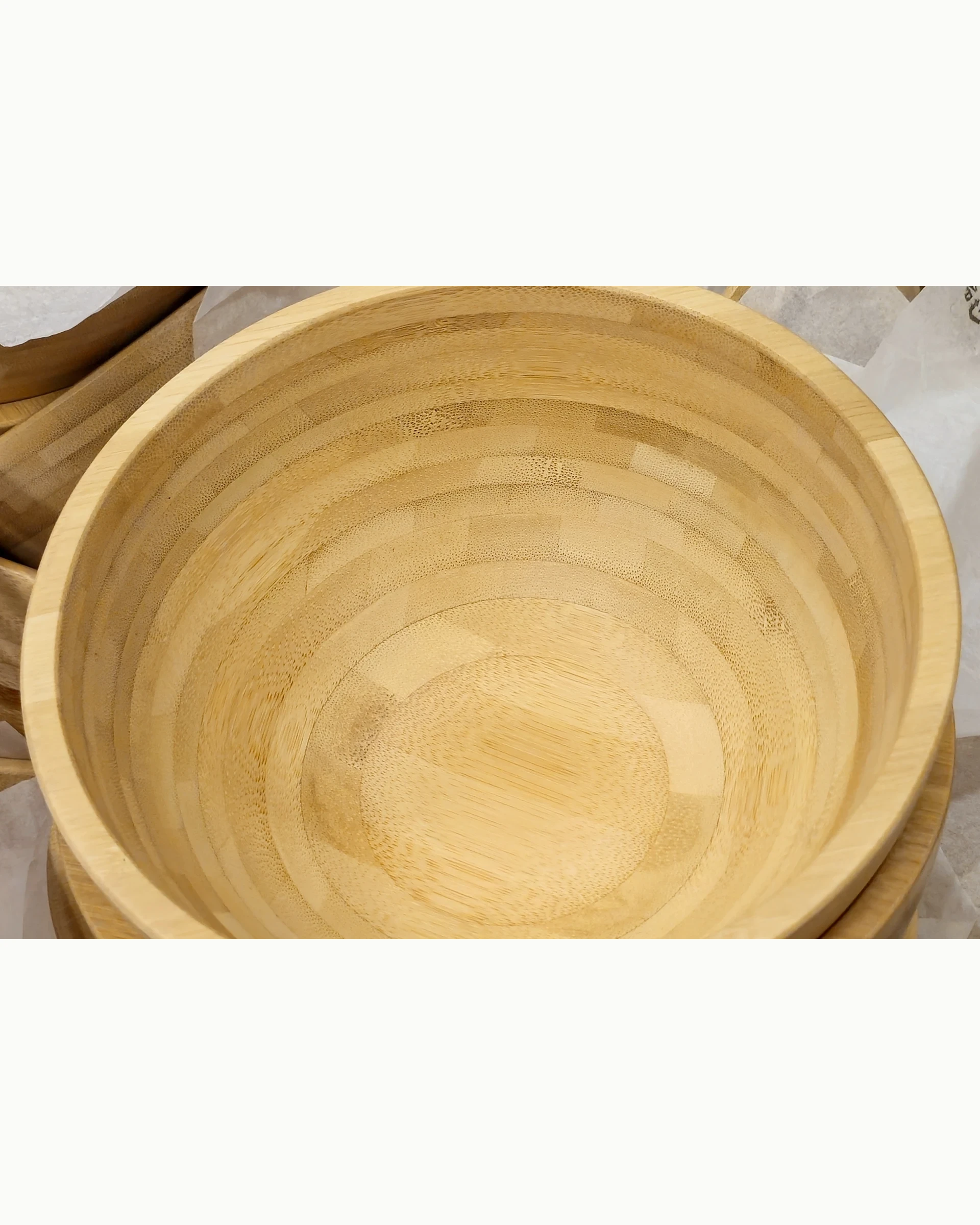
For a lunch of green salad, potato salad and sliced bread, imagine you have two serving bowls and a platter. Put the bread in one bowl and the green salad in the other, and you appear to need another bowl. Move the bread to the platter, and both salads have a place.
Before buying more serving dishes, try that allocation exercise with two meals you actually serve. The aim is to find which foods need a dish at the same time, then give each a suitable place using what you own.
Lay out the first meal without the food
Choose a familiar menu and write each food on a separate slip of paper. Take out the bowls, plates and platters you would consider using. Set each label in its proposed dish, keeping your usual quantities in mind.
For the illustrative lunch above, start with bread in the smaller bowl and green salad in the larger one. Leave the potato salad label beside them. Then try this arrangement:
- Larger bowl: green salad.
- Smaller bowl: potato salad.
- Platter: sliced bread.
If those pieces suit the portions you normally serve, the reassignment resolves this meal’s apparent shortage. Keep every food label in view until it has a place; do not count the same bowl twice.
Choose a second meal that asks something different
Reset the dishes for another menu from your routine. If it also consists of two salads and bread, it may tell you little more. Instead, choose a meal that usually leaves you searching the cupboard.
Suppose that meal includes three salads you want to serve in bowls, plus bread. The platter can still take the bread, but your two bowls leave one salad without a place. Try any other dish you would be happy to use for that food and quantity. If none works, leave its label beside the layout.
Include your usual glasses, plates and cutlery so you can judge where an additional serving piece would go.
Turn the remaining label into a shopping brief
Write down the unresolved job: for example, ‘a bowl for the third salad at our regular family lunch’. Add the quantity it needs to hold and the space available on the table. That is a more useful brief than ‘more serving dishes’.
For an occasional gathering, consider borrowing the missing piece. If the gap comes up regularly, use the layout to choose an addition with a defined role. If both meals already have a workable arrangement, put the dishes away with their new assignments in mind.

Calculate Cost per Wear From Actual Wears, Not Optimistic Predictions
Calculate what a garment has cost per wear so far using recorded spending and logged use. A worked example shows how to include…
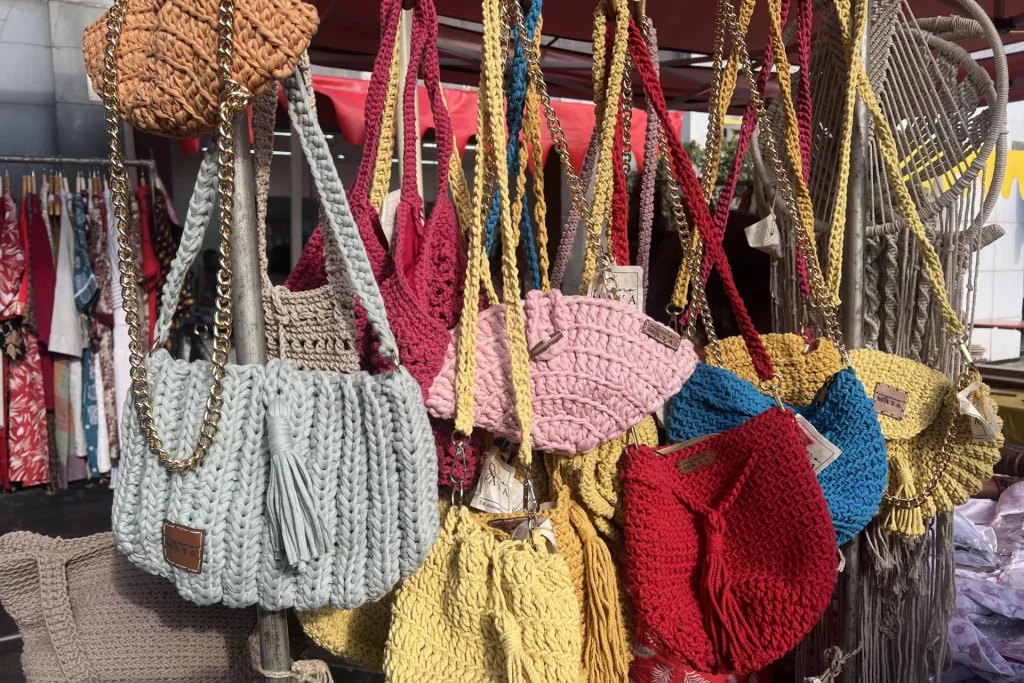
When to Buy a Handbag This Holiday Season: Price Versus Choice
Timing a holiday handbag purchase comes down to whether you care more about getting a specific color and silhouette or catching a steeper…

How to Review an Uncomfortable Outfit After Wearing It
An outfit that felt wrong all day deserves a closer look. Use a short activity timeline to separate movement, temperature, carrying needs and…