Train Table or Seat-Back Tray? Plan Space for a Book, Notebook and Coffee
Work through two illustrative arrangements using the same belongings, then identify the surface information you need before choosing a seat for reading or handwriting.
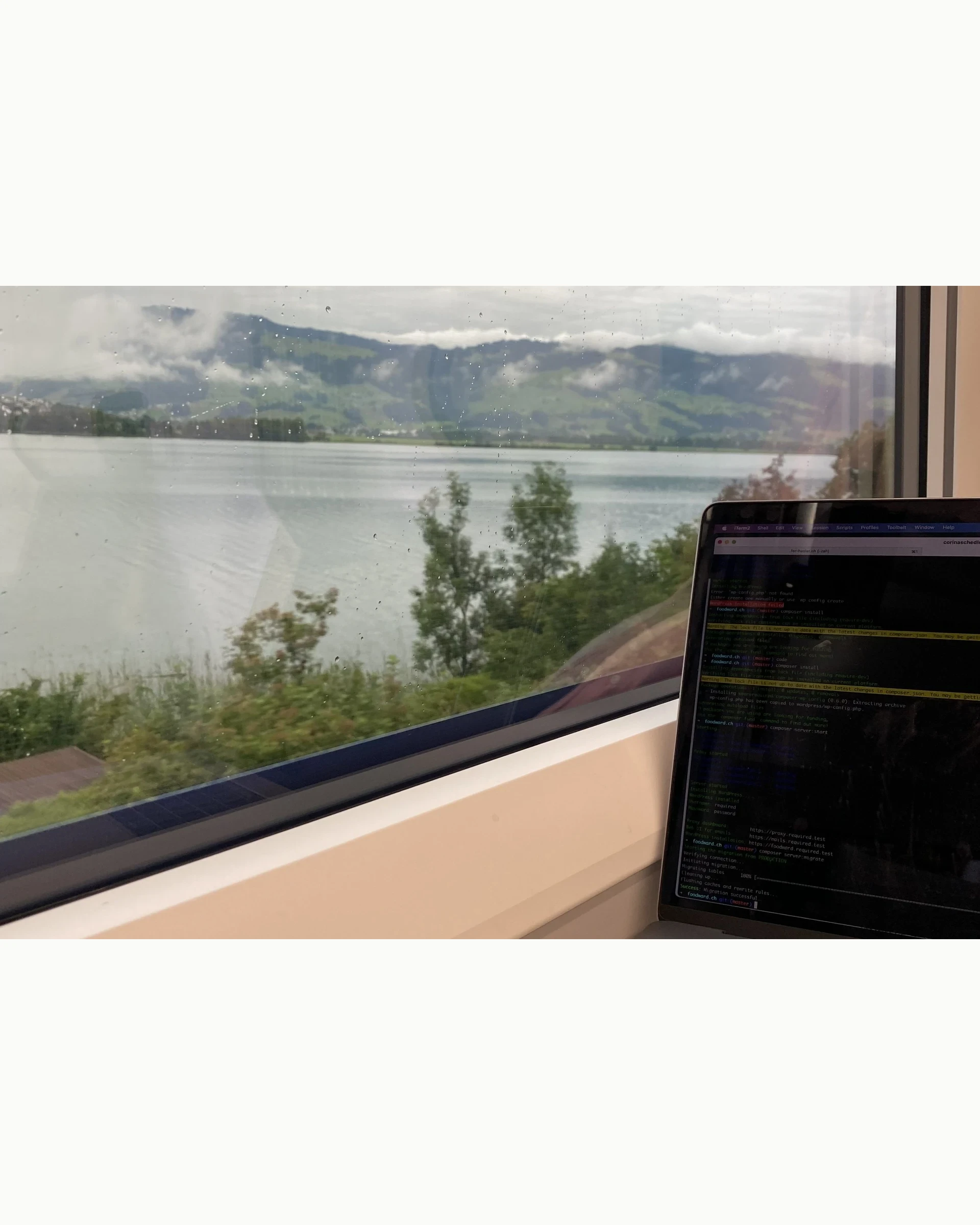
An open notebook, a paperback and a coffee do not all need to be out together. For a writing session, pack the book and give the notebook priority. For reading, pack the notebook and hold the book, leaving a place for the cup. Start with that choice before deciding between a table seat and a seat-back tray.
The two arrangements below are examples, not descriptions of a particular train. The useful distinction is whether your main activity fits within the surface available to you.
A shared table: notebook out, paperback packed
Imagine a table between facing seats. Open the notebook directly in front of you, within your portion of the surface. Place the lidded cup beside it, clear of the path your writing hand takes across the page. Leave the paperback and pen case in your bag.
In this example, both notebook and cup fit without spreading into another passenger’s space. That makes it a workable arrangement for drafting a letter while keeping your drink to hand. If they fit only by occupying the opposite place, the arrangement no longer meets the example’s conditions.
To switch to reading, close and pack the notebook before taking out the paperback. You need space for the activity underway, rather than everything you brought.
A seat-back tray: book in hand, notebook packed
Now imagine a tray with room for the cup and closed paperback, but insufficient room for comfortable handwriting beside the drink. Lift the book to read and leave the notebook packed.
If you want to write later, finish and clear the drink, put the paperback away and use the available surface for the notebook. This arrangement suits a journey where reading comes first and writing can wait. It does not provide the simultaneous notebook-and-cup space used in the first example.
Rehearse the activity before choosing
At home, use your actual notebook, paperback and an empty cup to try the two sequences. For writing, open the notebook and write a full line with the cup beside it. For reading, hold the paperback and practise putting it down to reach for the cup. Note which objects must stay out and which can remain packed.
This rehearsal establishes your requirements; it does not establish the size of a train’s table or tray. Before booking around a surface, look for information about the specific service’s seating. A seat labelled ‘table’ alone does not tell you whether your arrangement will fit.
For a letter-writing journey, prioritise confirmed space for the open page. For a chapter and a coffee, the second arrangement may be sufficient. If you plan to draw, apply the same page-first approach when building a small travel sketch kit.
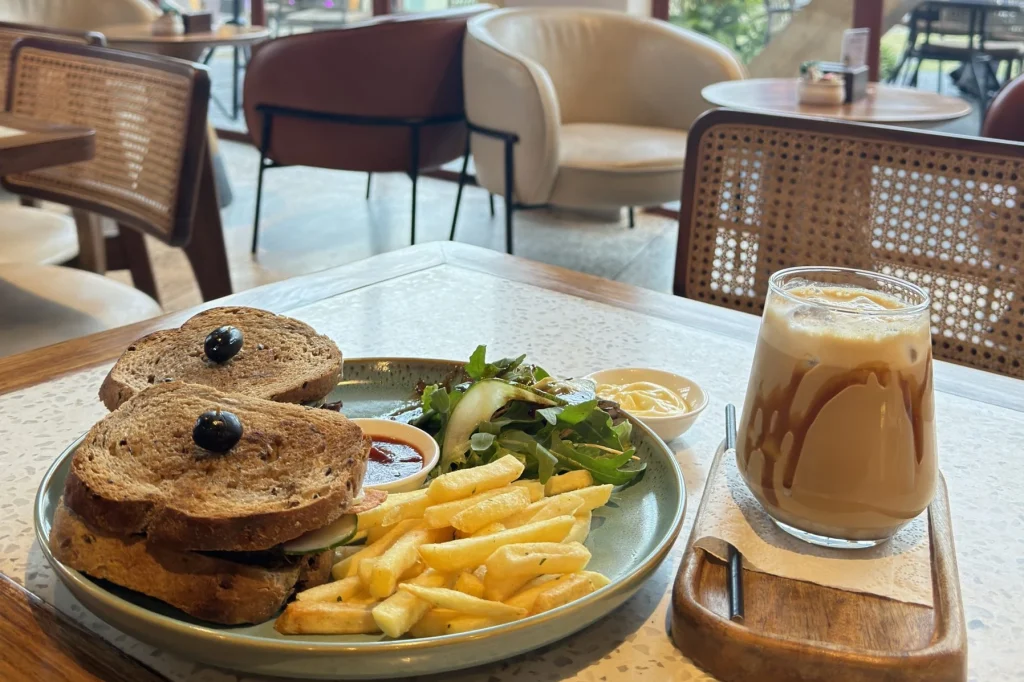
Where to Put Lunch in a Two-Neighbourhood City Break
Compare two bookshop-and-gallery schedules that give an extra 45 minutes to different neighbourhoods, then see how each handles a longer lunch.
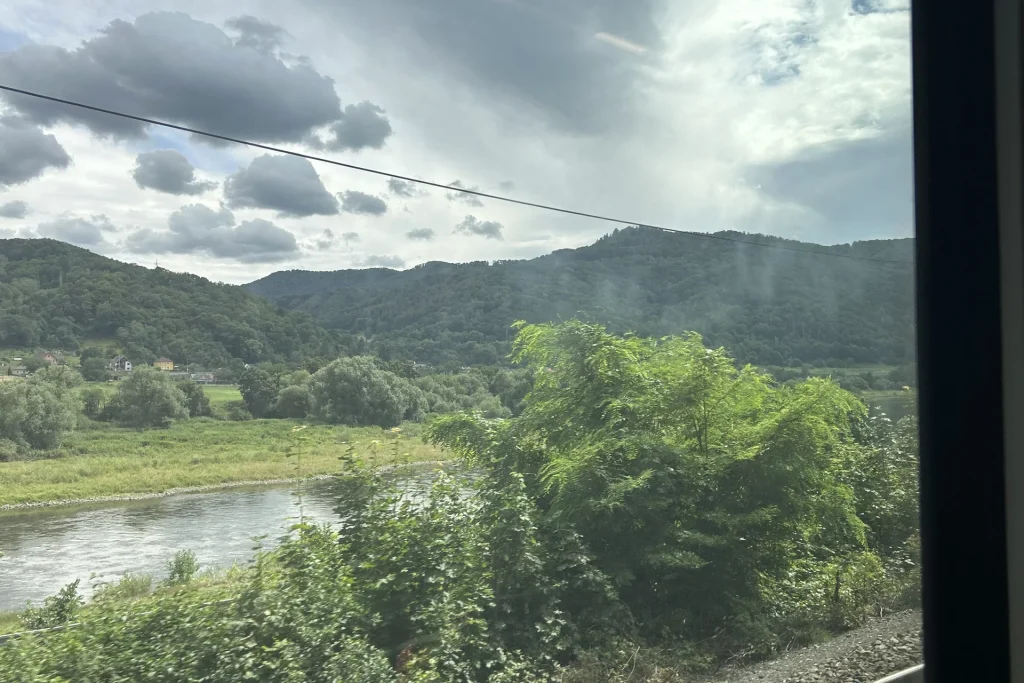
How to Use a Map to Choose a River-Facing Train Window
Follow an invented railway through two bends to work out which side faces the river. Then reverse the journey and calculate the return…
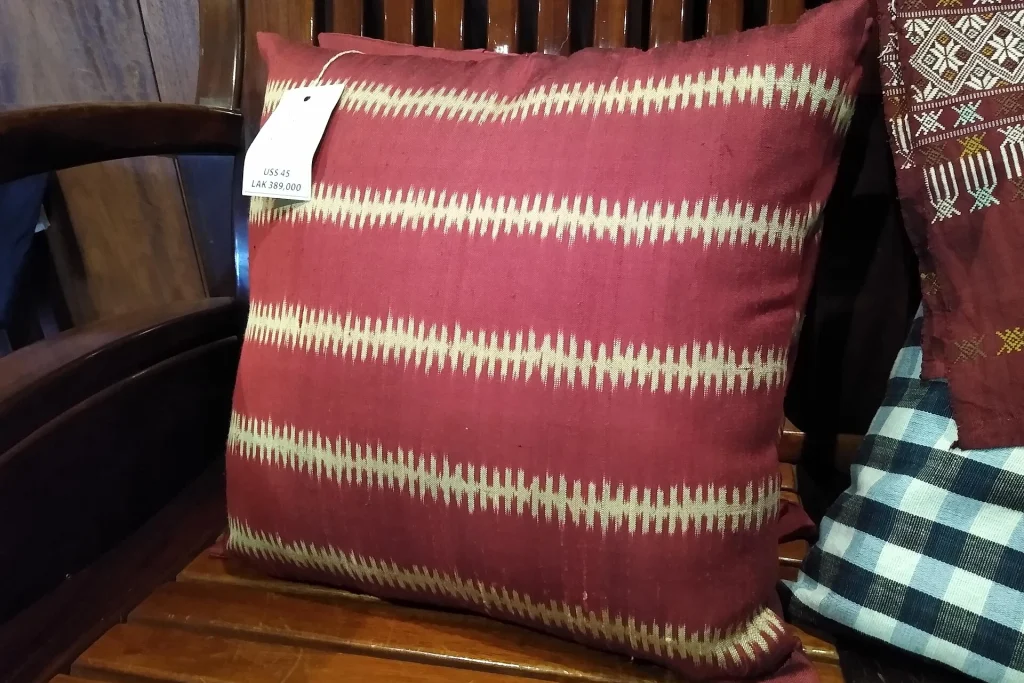
Buying a Textile Souvenir: Record the Material and Care Details Before You Leave
A beautiful textile needs more than a place in your suitcase. Capture its stated material, measurements, care instructions and maker details while you…