Where to Leave Room for a Serving Platter on a Set Table
Rehearse with the empty serving platter and its utensils before dinner. Give glasses, condiments and decorations positions that leave its arrival space clear.
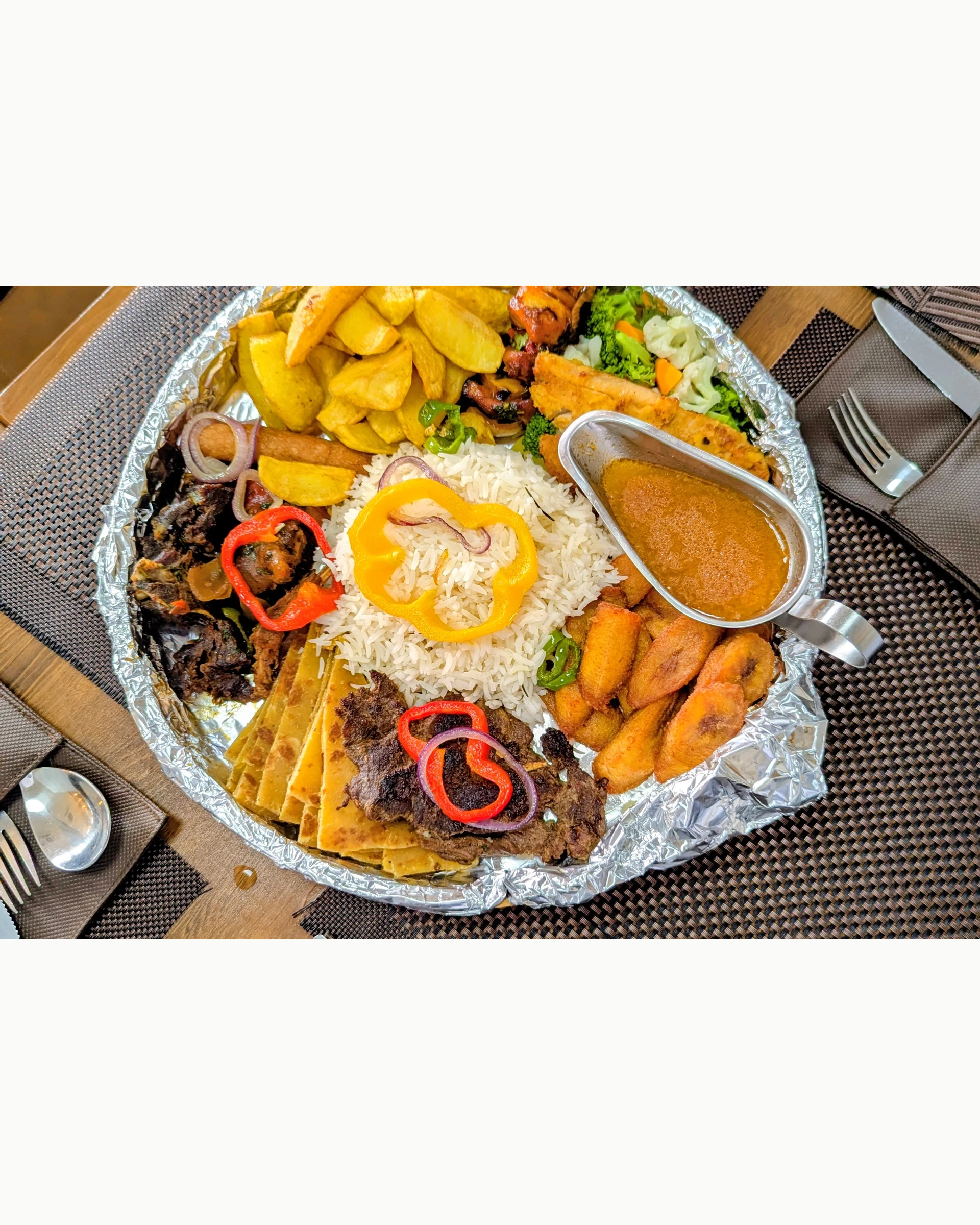
Place the empty serving platter on the set table, with its serving utensils alongside. Bring it in from the side you will use at dinner. If you have to shift a glass to put it down, change the setting now.
Use the actual dish: a dinner plate standing in for a long oval platter will not mark its ends or the space needed for its utensils. Include any table protection you intend to use beneath it.
Reserve the arrival space
Begin with the plates, cutlery and glasses needed for the meal. Try the empty platter lengthways in the centre, or nearer an accessible end if that suits the settings better. Lower it into place from your intended serving side rather than sliding it into a gap from above another setting.
Put the serving spoon beside it with its handle available to pick up. Include a second utensil if the dish needs one. You are reserving room for the platter, the utensils and the movement of putting it down.
Sit at each setting and work out how food will reach that plate. Depending on the dish, you might pass it or serve portions from one position. Settle that before placing objects in the remaining gaps.
Work around one oval platter
Imagine four settings around a rectangular table, a vase in the centre, a water jug at one end and two condiment dishes nearby. The empty oval platter needs the vase’s position, and its spoon lies where one condiment dish currently sits.
Move the vase to a side surface. Put the condiment beside the food it accompanies, provided it leaves the spoon handle and nearest glass clear. Keep the second condiment only if it also has a usable position outside the reserved space.
Bring the platter in again. If the jug obstructs your approach, try it at the other end. If neither end works without crowding a diner, put it on a nearby surface with room to pick it up and set it down.
Finally, lift a glass from each setting and return it to its place. If the platter or a serving handle gets in the way, adjust the arrangement while everything is still empty.
Leave the gap ready for dinner
Lift the platter and utensils away together. Keep their position empty until the food arrives; a temporary bread basket or candle would create another item to move during service.
Repeat the rehearsal with any other dish that will arrive at the same time. A successful arrangement for one platter does not establish room for an additional bowl.
If the full meal crowds the place settings, serve portions from a suitable nearby surface. You can still bring the empty platter to the table during preparation to establish that it needs a different serving position. Make that decision before guests sit down, while changing the arrangement is straightforward.
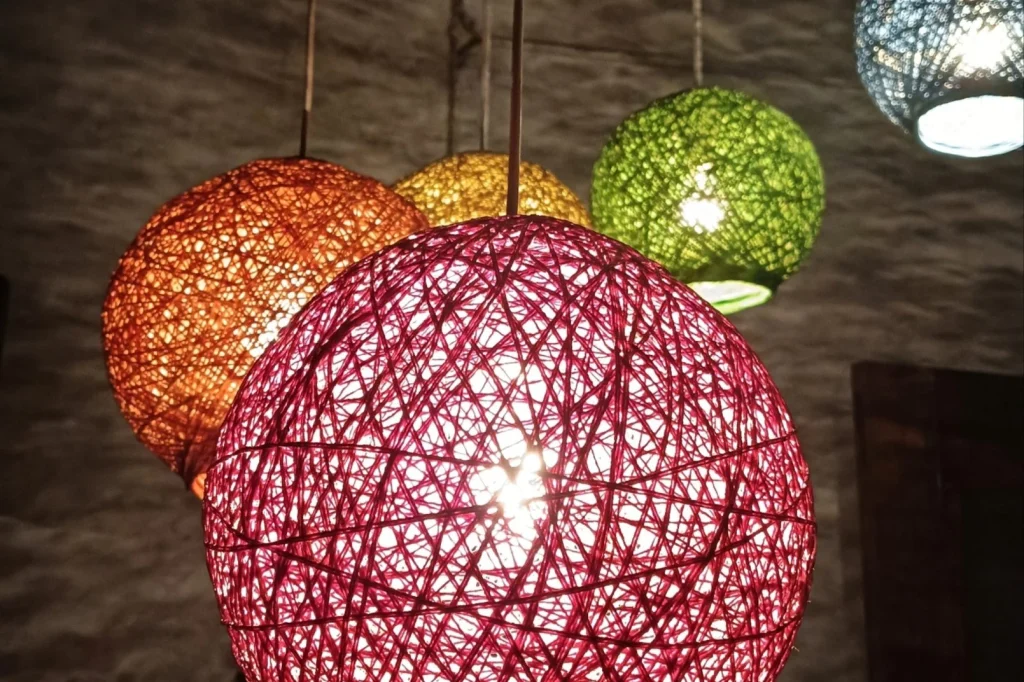
Colorful Christmas Decor Without Changing Your Whole Interior
Introducing bright holiday color into a neutral or curated room works like styling a wardrobe: repeat a single accent shade across a few…
Arrange an Accessory Tray Around the Pieces You Reach for First
Give everyday accessories distinct places instead of letting them collect in one dish. This reach-first layout uses separate zones, a simple retrieval test…
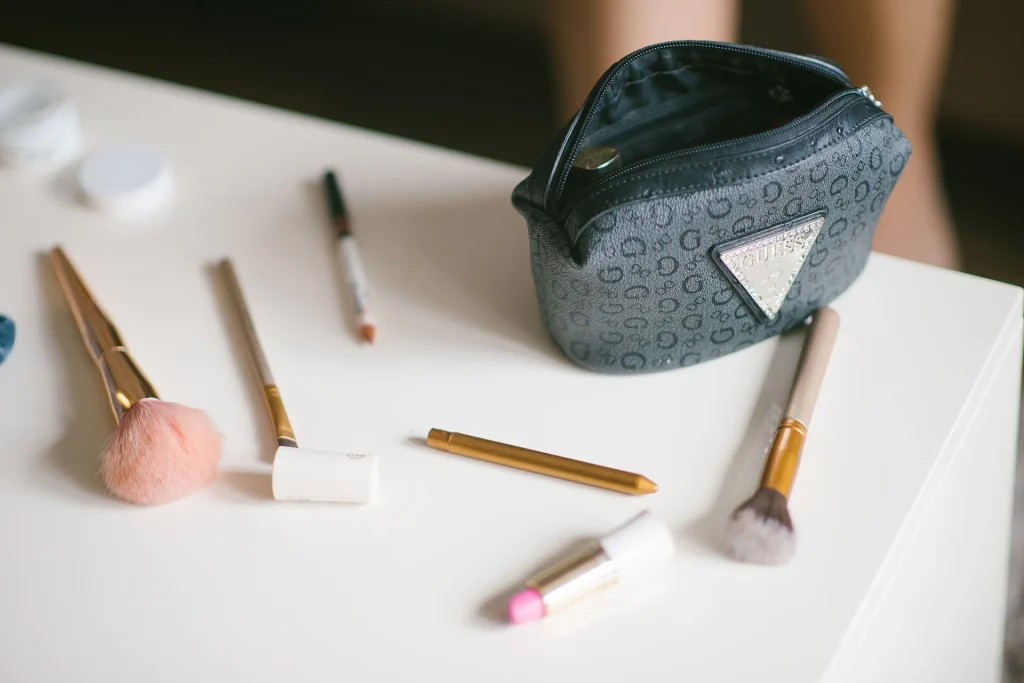
Set Up a Getting-Ready Surface That Clears Away After Use
A shared table can serve as a temporary getting-ready spot if the whole setup has somewhere to go afterward. Build a portable tray,…