Where to Stay in a City Split by a River: Compare the Bridge Routes
Compare two fictional hotels by tracing walks to a gallery, dinner and the station, then see how a different itinerary changes the better choice.
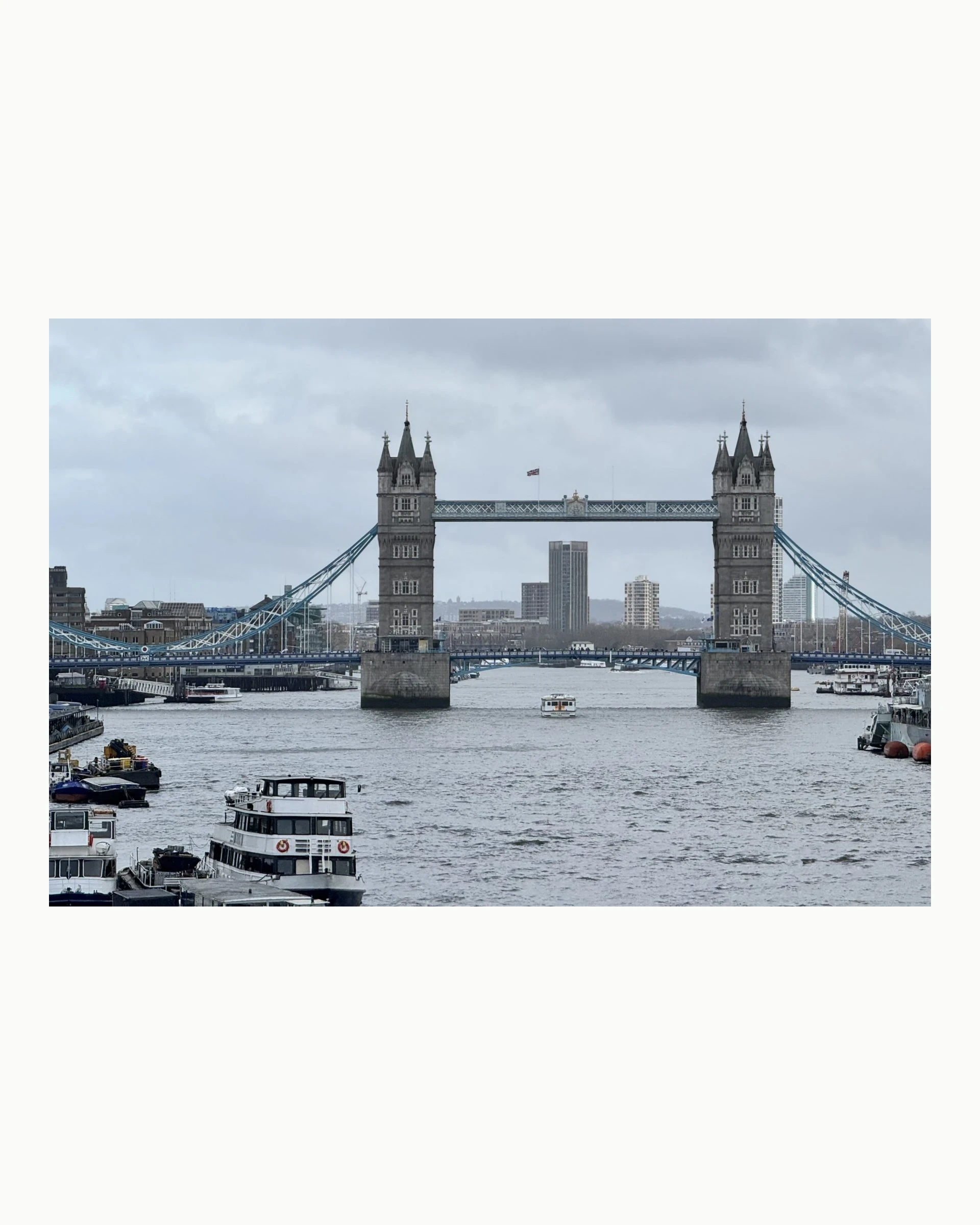
Hotel A sits directly across the river from the gallery. Hotel B looks further away, but its entrance lies on the walking route from Hotel A to the gallery. In this fictional layout, Hotel B gives you the shorter gallery walk.
Before choosing a base in a city split by a river, trace the routes through the crossings you would use. Then compare those journeys against your itinerary. The hotel nearest one attraction may offer a less useful starting point for the rest of your stay.
Place two hotels around one crossing
Imagine a river running north to south, with a pedestrian bridge north of the gallery. Hotel A is on the west bank, opposite the gallery. Hotel B is on the east bank, between the bridge and the gallery.
The restaurant you want for dinner is beside Hotel B. The station is near Hotel A on the west bank. For this example, assume the connecting streets and bridge are open to pedestrians and there is no closer crossing. All locations are invented.
| Destination | Hotel A: west bank | Hotel B: east bank |
|---|---|---|
| Gallery | Head north to the bridge, cross, then walk south past Hotel B to the gallery. | Walk south to the gallery. |
| Dinner | Head north, cross the bridge and continue to the restaurant beside Hotel B. | Walk to the neighbouring restaurant. |
| Station | Walk to the nearby station on the same bank. | Head north to the bridge, cross and walk south towards Hotel A and the station. |
Hotel A’s gallery route includes the entire walk from Hotel B, plus the approach to the bridge and the crossing. That explains the longer route without needing invented walking times. Hotel A’s advantage is its position near the station.
Compare complete days, including returns
Suppose you arrive by train, visit the gallery on two days and eat at the east-bank restaurant both evenings. Hotel B keeps those gallery and dinner journeys on your side of the river. You accept a crossing with luggage on arrival and departure.
Now consider a single night between a late train arrival and an early departure, with one brief gallery visit. You might prefer Hotel A’s station access and accept the longer gallery walk.
Write out each day in order before making the choice: station to hotel, hotel to gallery, gallery to hotel, hotel to dinner, dinner to hotel. Remove any return you do not plan to make. This shows where choosing one bank would add crossings to your own stay.
Use the comparison for a real booking
For each hotel you are considering, trace a walking route from its entrance to your main destinations. Check the available crossing and any steps, slopes or entrance restrictions relevant to your needs. Add route distances or estimated times only from information for that actual journey.
Then compare the rooms. Our guide to reading accommodation photos for a comfortable getting-ready space covers that part of the choice.
If both rooms otherwise suit you equally, Hotel B fits the repeated gallery-and-dinner itinerary. Hotel A is the option to favour when easy station access is your priority. Make the choice from the journeys you intend to take.
Where to Put Lunch in a Two-Neighbourhood City Break
Compare two bookshop-and-gallery schedules that give an extra 45 minutes to different neighbourhoods, then see how each handles a longer lunch.
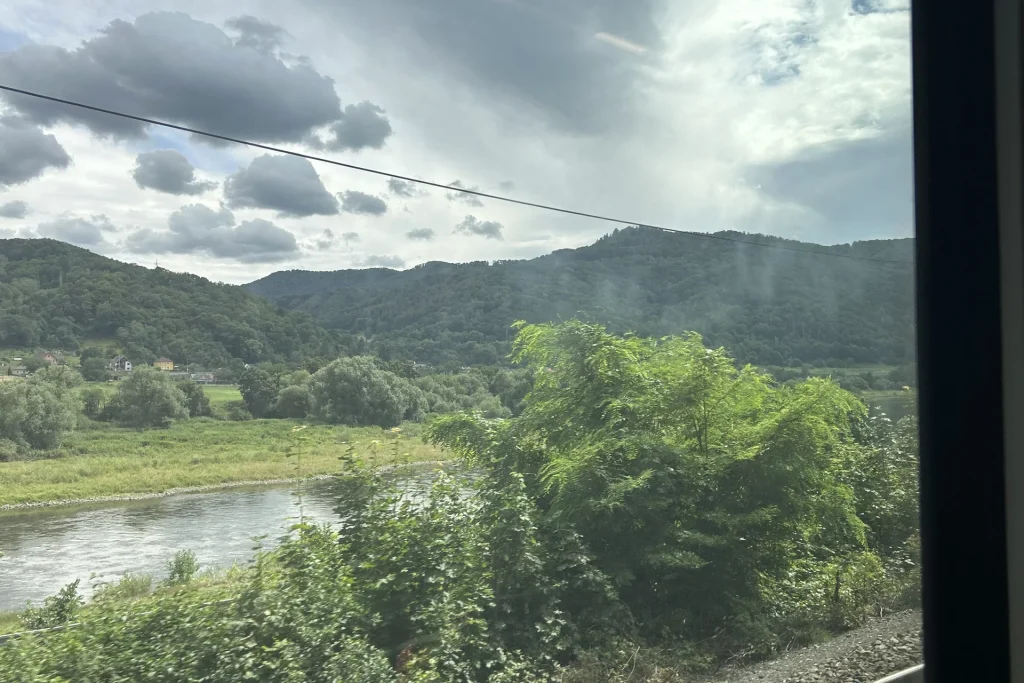
How to Use a Map to Choose a River-Facing Train Window
Follow an invented railway through two bends to work out which side faces the river. Then reverse the journey and calculate the return…
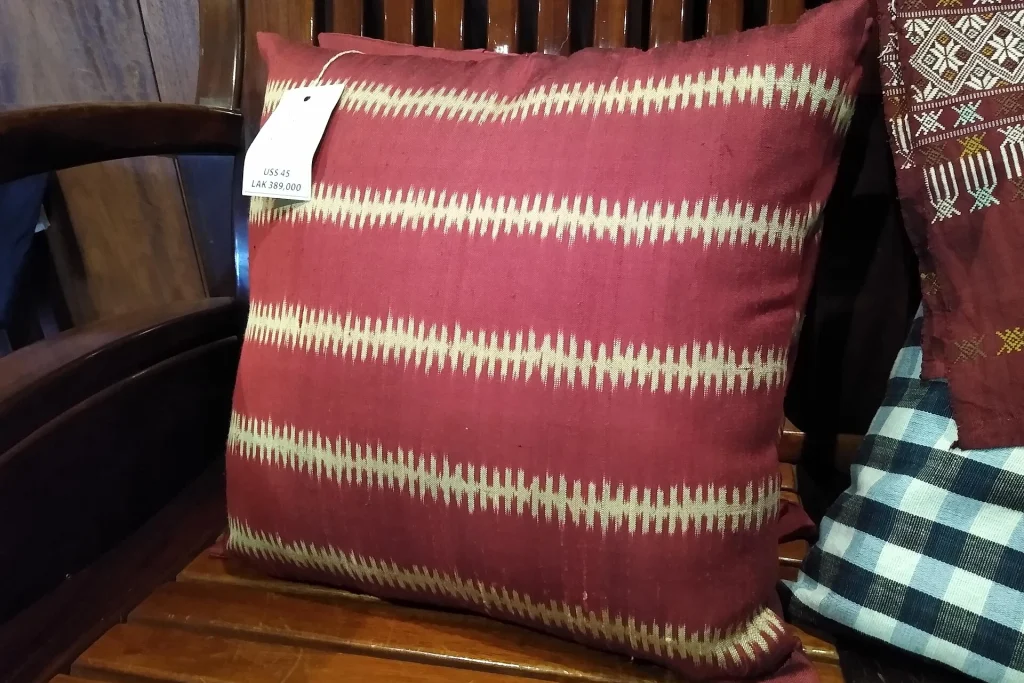
Buying a Textile Souvenir: Record the Material and Care Details Before You Leave
A beautiful textile needs more than a place in your suitcase. Capture its stated material, measurements, care instructions and maker details while you…