How to Build a Lending Shelf for Friends
Choose the copies you are comfortable lending, give them a clearly marked space and add a simple borrowing card. A three-book example shows what to offer and what to keep.
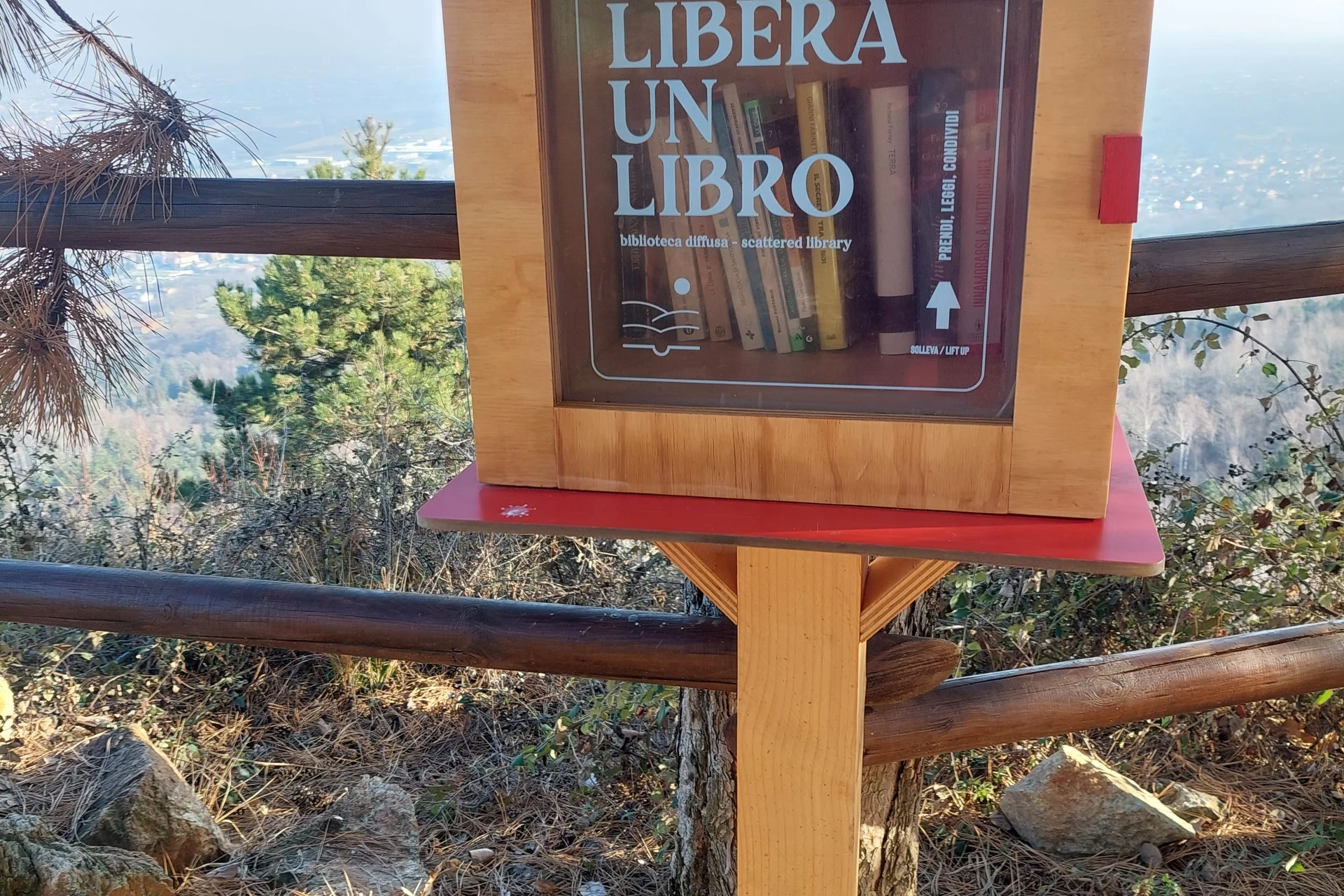
Imagine three books in front of you: a paperback full of your notes, a duplicate novel and a book received as a gift. To start a lending shelf, decide which of those particular copies you are comfortable letting friends take home. Put only those copies in the labelled space.
You can recommend a title while keeping your own copy. The example below turns that distinction into a small lending collection, with wording for the shelf and a record for loans.
Choose the copies
The annotated paperback contains underlining and notes from a reading group. In this example, you want to keep those notes close at hand, so the book stays in your personal collection. If you were happy to share the annotations, you could choose differently.
The duplicate novel gives you another option. Suppose one copy has a personal inscription and the other has no particular attachment. Put the second copy on the lending shelf and keep the inscribed one. Before choosing, check that the duplicate is actually the edition you want to offer: open it rather than deciding from two similar spines.
The gift copy is an uninscribed paperback you would enjoy sharing. Add it to the lending row. Being a gift need not determine the decision; what matters here is whether you want this copy to leave home.
That gives this example two available books and one personal copy. There is no need to fill a whole shelf before inviting someone to borrow.
Mark the borrowing area
Choose a short shelf or a section between bookends. Keep your personal books outside that boundary, including any you would need to describe as “available, except for that one”.
Add a card with the arrangement you want friends to follow:
Books between these bookends are available to borrow. Please tell me which one you take and return it to this shelf.
If you prefer friends to ask first, replace the second sentence with “Please ask me before taking a book.” Choose one instruction so the sign gives a clear invitation.
Record a loan when it happens
Keep a card or notebook beside the books. For each loan, write the title, a copy detail if needed, the borrower’s name and the date taken. For example: “Example novel — plain paperback — Alex — 8 December.”
If you need the book back for a particular occasion, agree a return date with the borrower and add it to the entry. Otherwise, leave that field out. Cross out the entry when the copy returns and put it back inside the lending boundary.

Calculate Cost per Wear From Actual Wears, Not Optimistic Predictions
Calculate what a garment has cost per wear so far using recorded spending and logged use. A worked example shows how to include…
When to Buy a Handbag This Holiday Season: Price Versus Choice
Timing a holiday handbag purchase comes down to whether you care more about getting a specific color and silhouette or catching a steeper…

How to Review an Uncomfortable Outfit After Wearing It
An outfit that felt wrong all day deserves a closer look. Use a short activity timeline to separate movement, temperature, carrying needs and…