How to Find a Book That Feels Local in a Bookshop
A nearby publisher, a local setting and a staff recommendation offer different connections to a place. Compare two invented passages to choose the one you want.

‘Published here’ and ‘set here’ answer different questions. Imagine a bookshop display where a nearby publisher’s neighbourhood essays sit beside its novel set overseas. Both have a publishing connection to the place; only one has an explicitly local subject.
If you want something beyond a sightseeing guide, decide which connection interests you: everyday life in the area, a story set there, or work from a nearby publisher. Then use the writing to narrow the choice.
Three routes through an imagined shop
For this exercise, picture a publisher display, a shelf labelled ‘Fiction set here’ and handwritten staff recommendations. The shop, books and recommendations are fictional.
- Publisher display: browse this if you are curious about a nearby publishing house. Check each book’s subject rather than assuming the publisher’s address makes its contents local.
- Fiction set here: start with this shelf if you want a story situated in the area. Sample a passage to see how much attention the writing gives its surroundings.
- Staff recommendations: look at the reason for the choice. ‘I loved the narrator’s account of the market’ addresses an interest in neighbourhood life more directly than ‘A wonderfully tense mystery’.
Compare what the writing offers
Suppose you want to read about ordinary street life between walks. You have two candidates: a neighbourhood essay collection and a novel whose cover names the city. Consider these invented openings.
‘By half past seven, the bakery queue had reached the doorway of the still-closed repair shop. The first customers stepped aside whenever someone arrived with a bicycle to leave for repair.’
This essay passage gives you neighbouring businesses and people sharing a pavement. Continue with it if those small interactions are what you hoped to find.
‘Mara left the station with the unopened letter pressed beneath her coat. She had promised to wait until she reached the flat, but already her thumb was working beneath the seal.’
This novel passage gives you a person, a promise and an unresolved action. It may draw you in, but these lines offer little detail about the city itself.
For the street-life brief, the essay is the closer match so far. Try another passage before choosing: neither opening establishes what the whole book will offer. If Mara’s letter interests you more than the neighbourhood detail, that is a reason to reconsider what you want to read.
Give the bookseller a request they can use
If neither book fits, try: ‘I’d like essays or fiction about everyday life here, rather than a sightseeing guide. I’m especially interested in markets, streets and neighbourhood routines.’
For a different interest, change the request: ‘I’d like to browse books from publishers based nearby; the subject can be anything.’ Those requests express different purposes. Choose the one that matches the connection you want to take home.
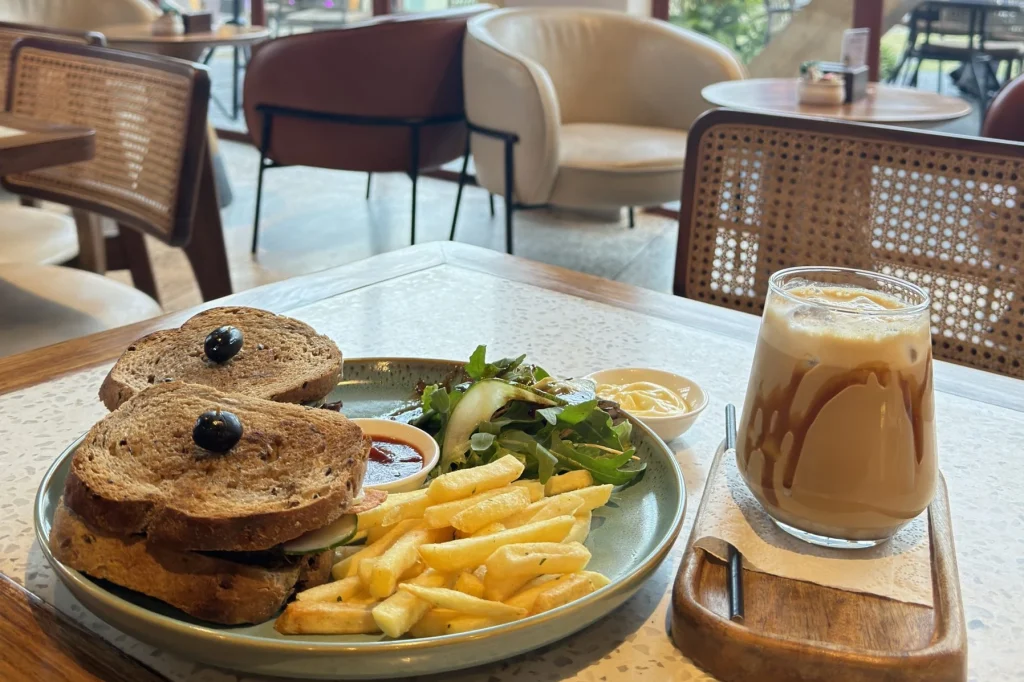
Where to Put Lunch in a Two-Neighbourhood City Break
Compare two bookshop-and-gallery schedules that give an extra 45 minutes to different neighbourhoods, then see how each handles a longer lunch.
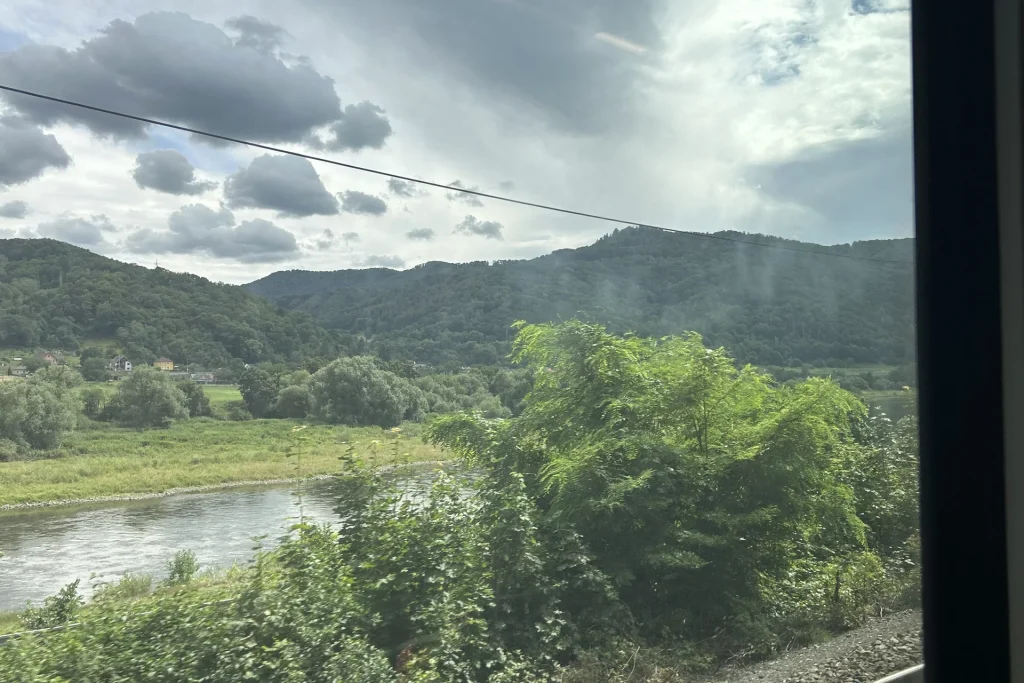
How to Use a Map to Choose a River-Facing Train Window
Follow an invented railway through two bends to work out which side faces the river. Then reverse the journey and calculate the return…
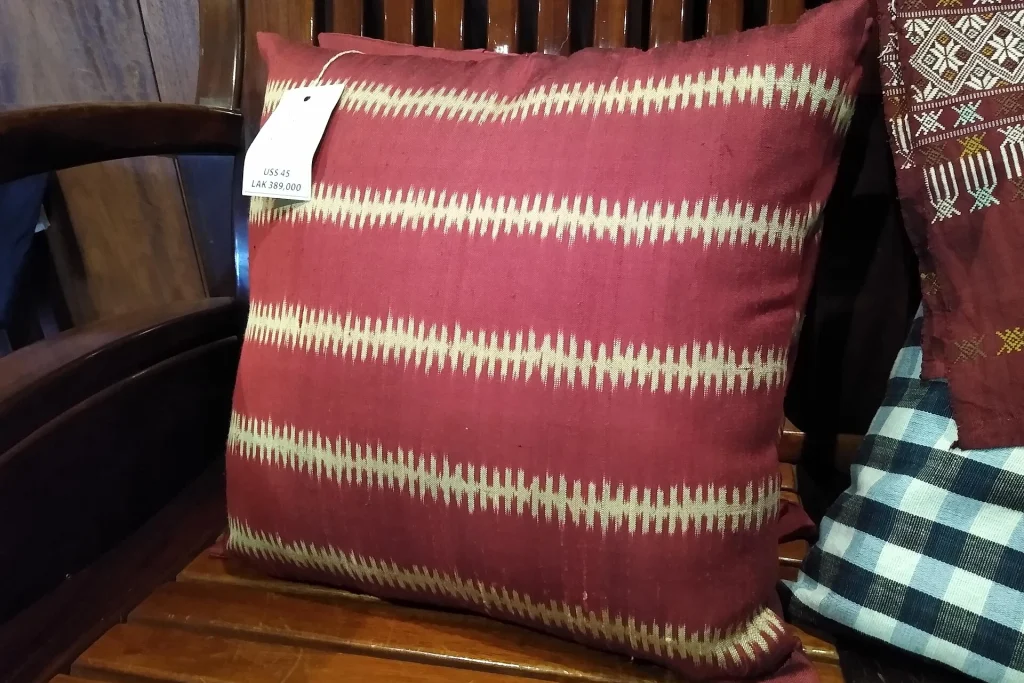
Buying a Textile Souvenir: Record the Material and Care Details Before You Leave
A beautiful textile needs more than a place in your suitcase. Capture its stated material, measurements, care instructions and maker details while you…