Draw a Mug Handle by Looking at the Space Inside It
Sketch the opening inside a mug handle, then add the ceramic around it. A worked example shows how to adjust the opening and the two joins.
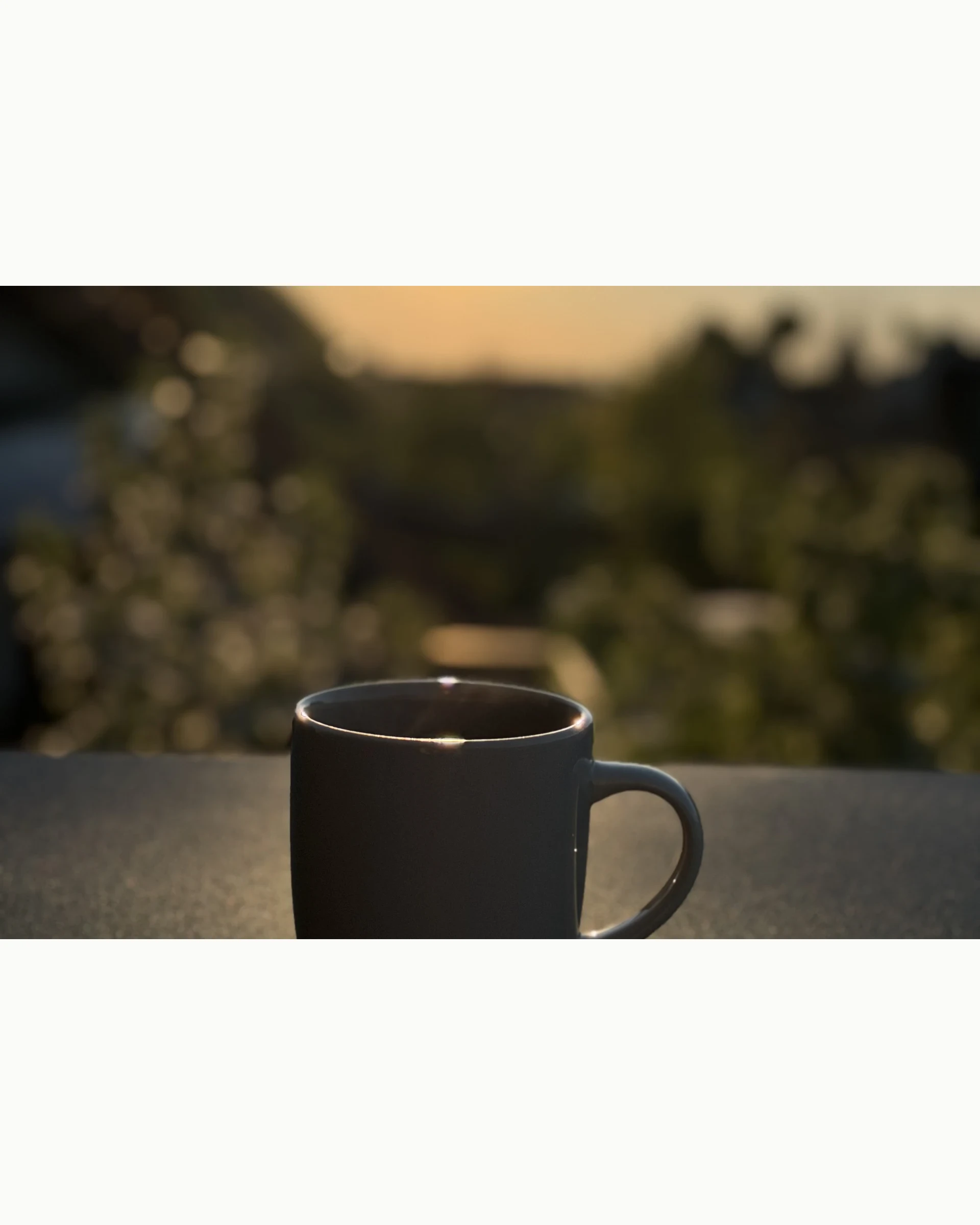
If your mug handle keeps turning into a tidy loop that looks unlike the mug, try drawing its opening first. Add the ceramic around that shape afterwards.
Use a plain mug, a pencil and paper. Place the mug with the handle to one side and its opening clearly visible. Keep the mug and your viewing position steady while you work.
Place the opening beside the body
Lightly sketch the mug’s body, leaving out the handle. This gives you a reference for the rim, side and base.
Look at the opening inside the handle. Mark its highest and lowest points beside your body outline, then mark the point furthest from the mug. Compare those marks before joining them: have you allowed enough height, or made the opening too wide?
Sketch the boundary of the empty shape. In this exercise, that opening is the negative space you are drawing.
Keep the irregularities you can see
Follow the edge nearest the mug, then the curve furthest away. Look for a tilt, a narrow lower end or a flatter section. Draw those features rather than assuming the opening is an oval.
Compare the opening’s width near the top, middle and bottom with your sketch. Choose one mismatch to change before adding more lines.
Add the outer edge and both joins
Draw the outside of the handle around the opening. Compare the visible ceramic above, beside and below it; let your view of the mug determine its thickness.
Follow the handle to its upper join and compare that position with the rim. Then compare the lower join with the base. Adjust the light body outline if it conflicts with those positions.
If the handle still looks wrong, decide whether the mismatch is in the opening, the outer edge or a join. Revise that part before redrawing the whole shape.
Work through one correction example
Imagine that your reference opening is tall, slightly tilted and narrower at the bottom. Your sketch is round, its lower opening is too broad and its upper join sits too low. Try these changes:
- Reduce the width: move the furthest inner edge towards the body while keeping the opening’s top and bottom marks.
- Narrow the lower end: bring its edges closer together to match the reference. Follow the observed tilt as you redraw.
- Raise the upper join: compare it with the rim and move the joining curve to the position you see.
These changes belong to the imagined example; your mug may need different ones. Before darkening the lines, compare the opening and both joins once more. Leave shading until you are satisfied with their placement.
For a different drawing task, try three contour studies of a museum object.

How to Crop a Still-Life Photograph Around One Detail
Use two paper corners to compare crops on a printed still life. A worked lemon-and-leaf example shows how to keep both a focal…
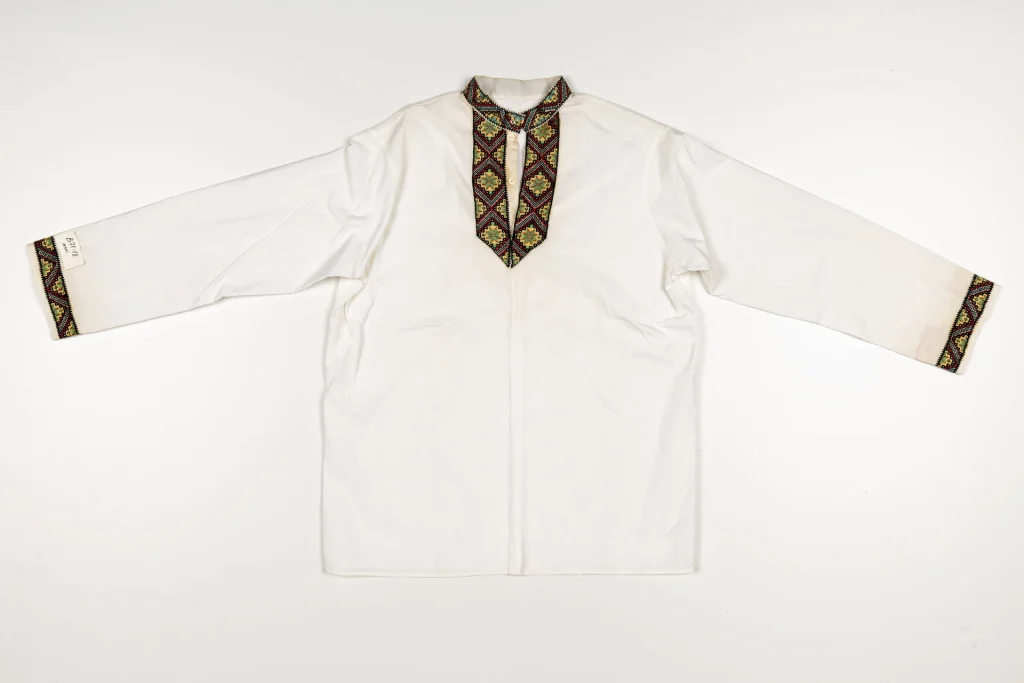
Build a Visual Glossary From Five Details in One Museum Object
Use five details from one object to build a visual glossary you can revisit. Pair small drawings with plain descriptions, verified terms and…
How to Say Dressy Is Optional on a Holiday Lunch Invitation
If you’re looking forward to wearing velvet and your guests would happily come in jeans, send one invitation that names the setting and…