Two Rings Knock Together? Compare Positions With an Empty Mug
Compare neighbouring fingers with a finger between your rings, where they already fit. Use the same empty mug to distinguish ring-to-ring contact from contact with the handle.
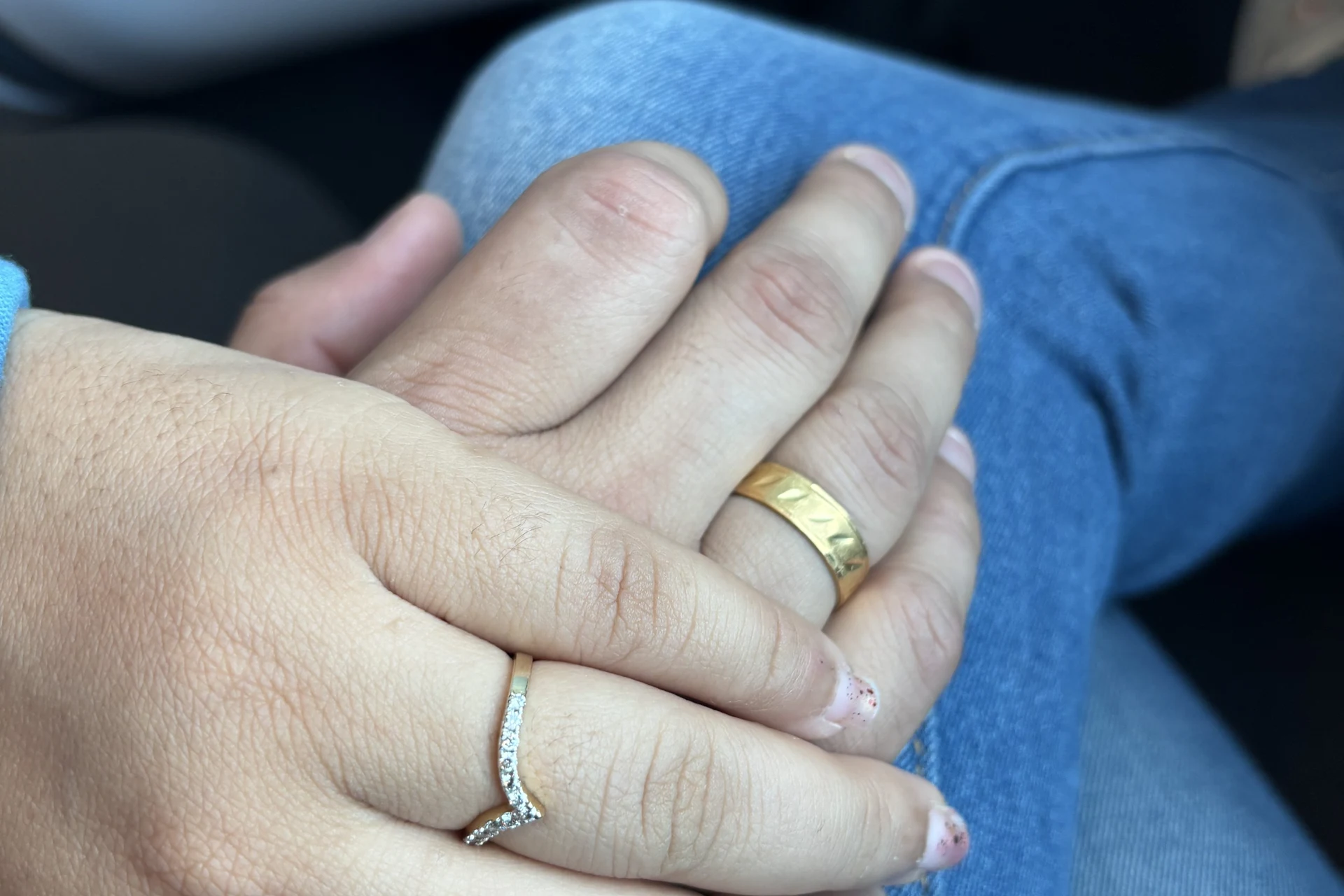
If two raised rings knock together when you hold a cup, compare neighbouring fingers with a position that leaves one finger between them. Use the same empty mug and your ordinary grip for both. Only try alternative fingers on which the rings already fit comfortably.
Identify what is touching
Sit at a table with an empty mug you regularly use. Wear the rings in their usual positions, take the handle normally and lift the mug just clear of the table. Look at the raised settings as your fingers settle around it.
Distinguish between two contacts: the settings meeting each other, and a setting meeting the mug handle. The comparison below addresses the first. If a ring is touching the handle, leaving a gap between the rings may not resolve that contact.
Put the mug down before moving either ring. Keep the same mug and hand for the next attempt so that ring placement is the change you are comparing.
Compare neighbouring fingers with a gap
If the fit allows, move one ring so an unadorned finger separates the pair. Pick up the mug again with your usual grip. Check whether the settings remain apart as you lift the mug and put it down.
For example, suppose you normally wear the pair on your index and middle fingers, and the second ring also fits your ring finger. Compare index-and-middle with index-and-ring. If the settings meet in the first arrangement and stay separate in the second, the gap has addressed that particular contact.
Do not hold your fingers deliberately apart to obtain a better result. If you catch yourself doing that, put the mug down and repeat the movement naturally. The useful arrangement is one you can use without continually managing your grip.
Use the result to choose what to wear
- The gap works: keep it if both rings fit comfortably and you like the arrangement.
- The rings still meet: try one on each hand where they already fit, or choose one ring for the day.
- A setting meets the handle: try that ring alone with the same mug to separate the handle contact from contact with the other ring.
If neither ring fits an alternative finger, skip the spacing comparison. Wearing one of the pair is an available choice; forcing a different fit is not part of the exercise.
Keep the conclusion specific: you have found an arrangement for those rings and that mug. Before using it with a different cup, repeat the ordinary lift rather than assuming the contact will be the same.
Make a Personal Length Reference Card for Tops, Jackets and Skirts
Measure a favourite top, jacket and skirt using clearly recorded starting points. Turn the results into a pocket reference card with sketches and…
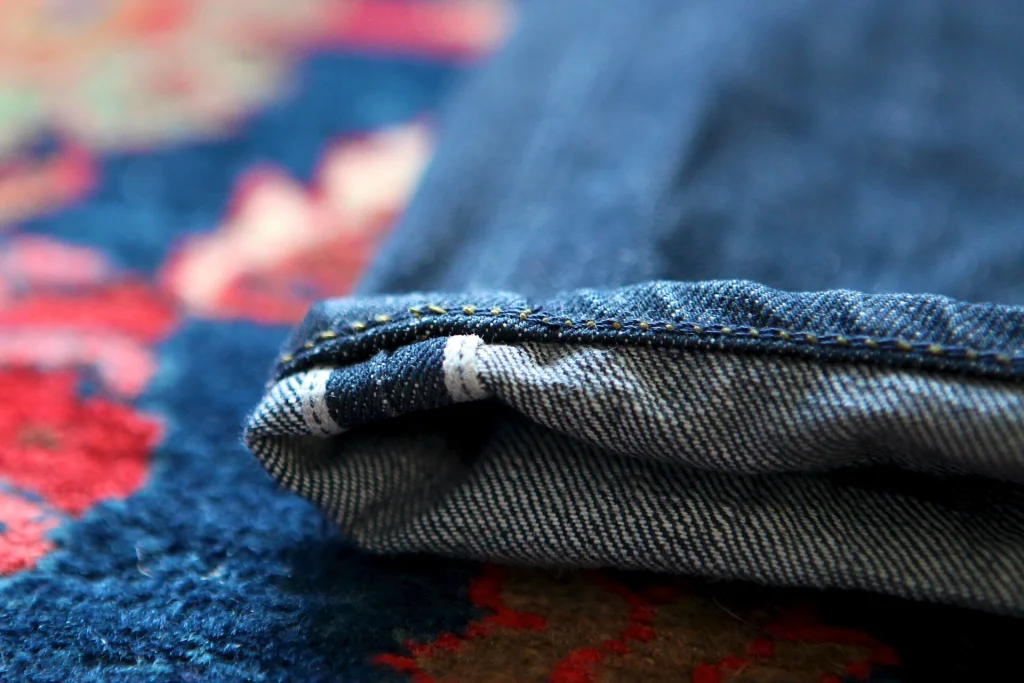
Raw and Selvedge Denim: What Each Label Actually Means
Raw describes unwashed denim; selvedge describes construction. Read three fictional jeans descriptions to separate those features from questions about fit, pre-shrinking and care.
Hang or Fold? Choose Storage by Garment Structure
Use four everyday garments to make a practical storage plan. Check weight, stretch, shoulder shape and your tolerance for creases, then give each…