Where to Put Water When the Dining Table Is Full
Choose between a sideboard and a small table at an open end, using the furthest diner’s route and a clear place to rest a glass while pouring.
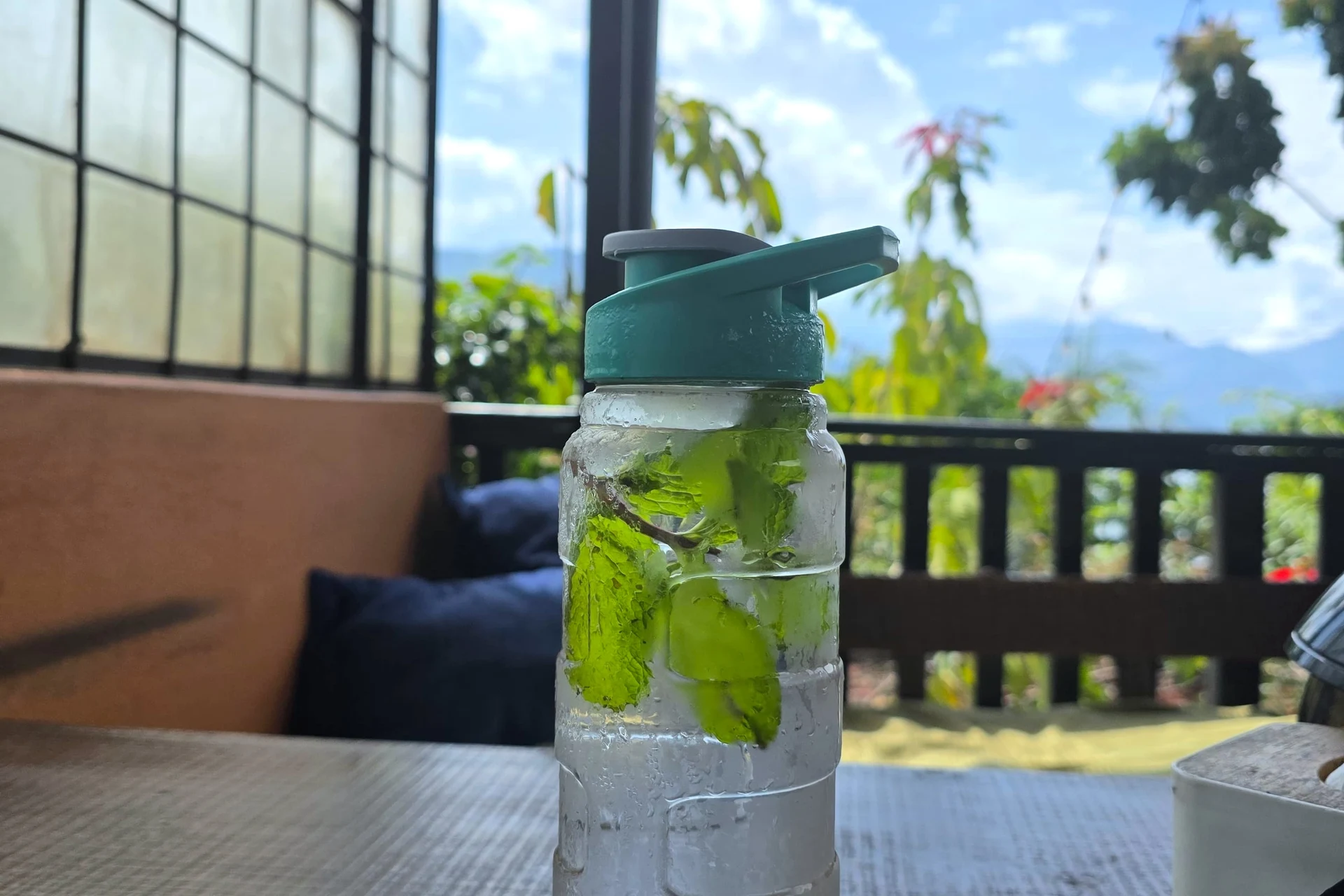
Use a nearby sideboard or a small table beside an unoccupied end of the dining table. Choose the one guests can approach without squeezing behind other diners, and leave a clear patch beside the jug for a glass. The nearest surface is not always the easiest one to use.
Compare the approach, then the surface
A small table at an open end is a useful option when the space beside it is clear. Arrange it so someone pouring water can stand on the accessible side, rather than between seated guests. Leave enough separation for anyone sitting near that end to move their chair.
Before choosing it, put the jug and one dining glass on top. If they fit only when the glass is perched at the edge, use a larger surface or clear space on the sideboard.
For a sideboard, choose the section guests can approach directly. Move ornaments or serving dishes out of that section so nobody has to reach over them for water. A slightly longer walk may be preferable to asking another diner to move each time.
Follow the furthest diner’s journey
Imagine a rectangular dining table with two people along each long side and nobody at either end. A small water table stands beyond one short end, towards the side with the clearer approach.
- Start at the seat furthest from the jug, with the other chairs in their dining positions.
- Move out from that chair and follow the outside of the table towards the water.
- Stand beside the water table, put down the glass and allow space to lift and tip the jug.
- Follow the route back to the seat.
If this requires another guest to pull in their chair or get up, try the sideboard instead. Repeat the same journey from that seat. This gives you a concrete choice between the two positions, rather than judging them by distance alone.
Keep the pouring patch clear
Place the jug within easy reach, with the glass space beside it and away from the edge. Use the actual jug and glass to establish how much room pouring needs. Spare glasses can go elsewhere on the surface; they should not occupy the patch someone will use for their own glass.
Once the meal is set out, keep serving bowls off that patch too. Its job is to let someone put down a glass, pour and pick it up again.
If neither off-table position offers a workable route, keep the jug nearby for the host to bring over during a pause in the meal. Fill glasses before serving, then offer refills between courses rather than directing guests towards a cramped corner.
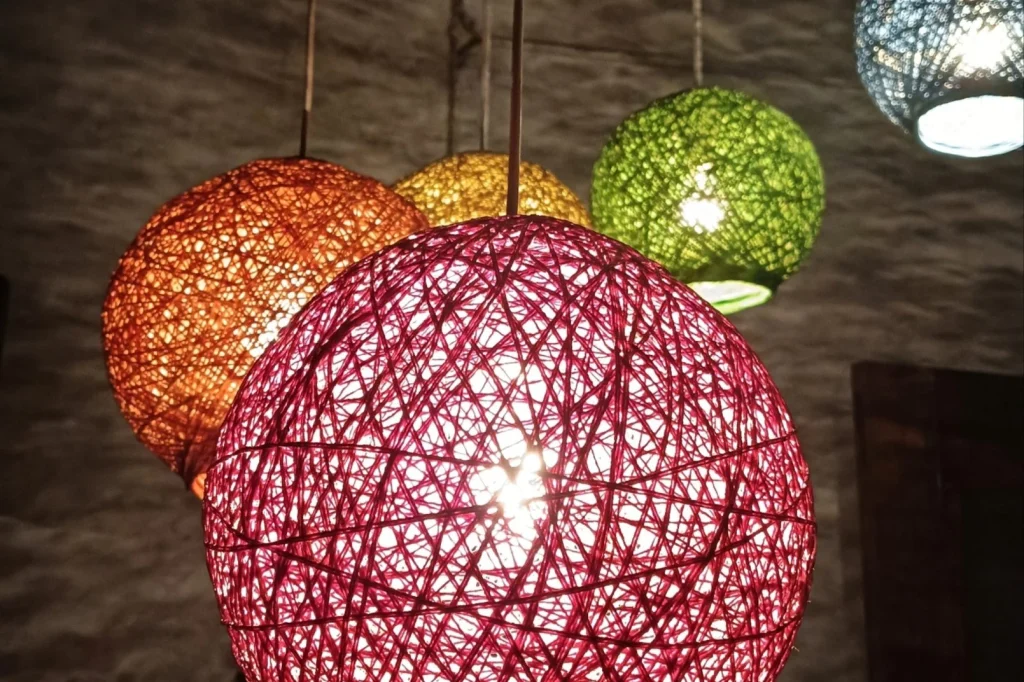
Colorful Christmas Decor Without Changing Your Whole Interior
Introducing bright holiday color into a neutral or curated room works like styling a wardrobe: repeat a single accent shade across a few…

Arrange an Accessory Tray Around the Pieces You Reach for First
Give everyday accessories distinct places instead of letting them collect in one dish. This reach-first layout uses separate zones, a simple retrieval test…
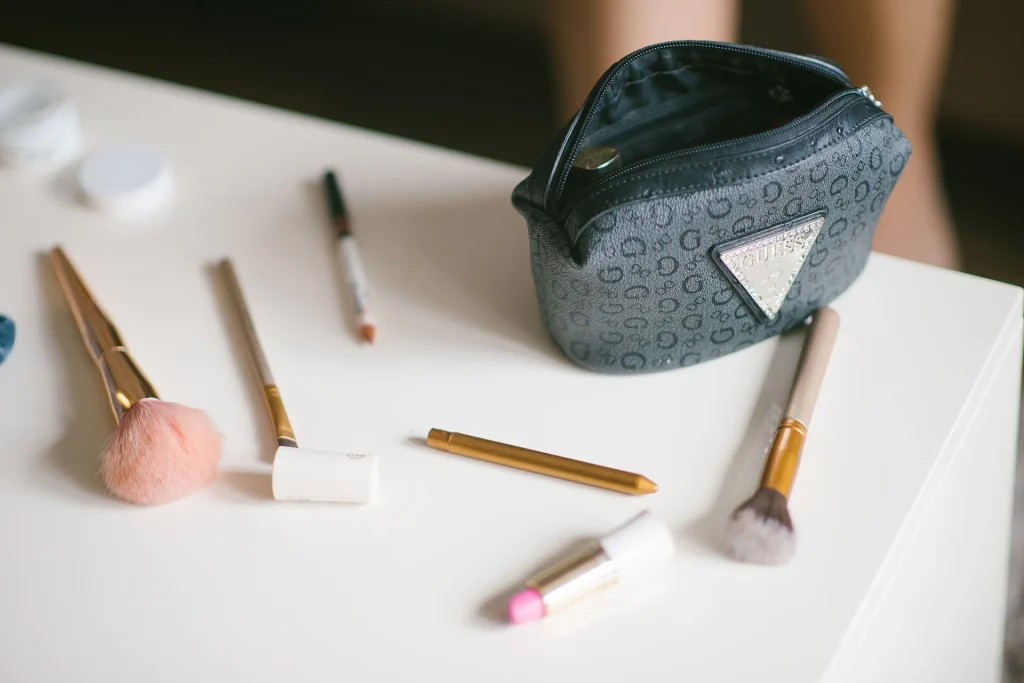
Set Up a Getting-Ready Surface That Clears Away After Use
A shared table can serve as a temporary getting-ready spot if the whole setup has somewhere to go afterward. Build a portable tray,…